
Bringing your pet for their yearly checkup might feel like a routine errand, but an annual wellness exam is one of the most important steps you can take to ensure a long, healthy life for your furry friend. Vets use this appointment to detect hidden problems before they become serious, update vaccinations, and provide personalized advice. In this comprehensive guide, we’ll walk you through exactly what your vet checks during an annual wellness exam, so you know what to expect and how to prepare.
Why Annual Wellness Exams Matter
Pets age much faster than humans, and many health issues can develop silently over just a few months. An annual exam allows your veterinarian to establish a baseline for your pet’s health and catch subtle changes early. However, many pet owners underestimate the importance of these visits. Furthermore, skipping a single year can mean missing early signs of dental disease, arthritis, kidney problems, or even cancer. For senior pets, some vets recommend exams every six months, but for most adult pets, an annual checkup is the minimum. Actionable tip: schedule your pet’s exam around the same date each year—use a phone reminder to stay consistent.
General Physical Examination
The cornerstone of the annual wellness exam is a thorough hands-on physical assessment. Your vet will systematically evaluate your pet from nose to tail. This includes:
- Body condition score (BCS): Palpating the ribs, spine, and hips to determine if your pet is underweight, ideal, or overweight. Obesity can lead to diabetes, joint issues, and reduced lifespan.
- Skin and coat health: Checking for lumps, bumps, parasites, hair loss, or signs of allergies. A shiny coat often indicates good nutrition and internal health.
- Eye and ear examination: Looking for redness, discharge, cataracts, or signs of infection. For dogs with floppy ears, vets often check for yeast or bacterial overgrowth.
- Oral health assessment: Evaluating teeth, gums, and breath. Dental disease affects over 80% of pets by age three, and it can impact the heart, kidneys, and liver if left untreated.
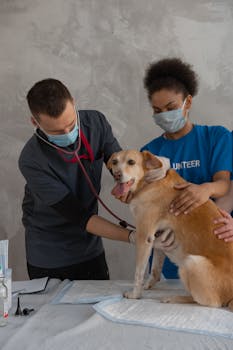
Additionally, the vet will listen to your pet’s heart and lungs with a stethoscope to detect murmurs, arrhythmias, or abnormal lung sounds. They will also feel the lymph nodes, thyroid gland, and abdomen to check for swelling, pain, or organ enlargement. The entire physical exam usually takes 10–15 minutes.
Vaccination Review and Core Shots
Vaccinations are a critical component of preventive care, and the annual visit is the perfect time to review your pet’s vaccine schedule. Your vet will assess which vaccines are due based on your pet’s age, lifestyle, and local regulations. Core vaccines for dogs include rabies, distemper, parvovirus, and adenovirus. For cats, core vaccines include rabies, feline herpesvirus, calicivirus, and panleukopenia.
Non‑Core Vaccines
Depending on where you live and how often your pet goes to boarding, grooming, or dog parks, your vet may also recommend non‑core vaccines such as Bordetella (kennel cough), canine influenza, leptospirosis, or feline leukemia. Your vet will explain the risks and benefits, ensuring you make an informed decision. Actionable tip: bring your pet’s vaccination records so the vet can update them accurately and avoid over‑vaccination.
Parasite Prevention and Fecal Testing
Parasites are more than just a nuisance—they can cause serious illness in pets and even transmit diseases to humans. During an annual wellness exam, your vet will typically:
- Perform a fecal examination: A small stool sample is checked under a microscope for eggs of hookworms, roundworms, whipworms, giardia, and coccidia. This test should be done at least once a year, but twice a year is recommended for puppies and outdoor cats.
- Review heartworm prevention: Heartworm disease is spread by mosquitoes and can be fatal. Your vet will likely recommend a blood test (especially for dogs) every 12–24 months, and then prescribe a monthly preventive medication.
- Check for fleas and ticks: A visual inspection of the skin and coat helps identify current infestations. Your vet will also discuss year‑round prevention options, including topical treatments, oral chews, and collars.
Furthermore, if your pet travels with you or lives in a high‑risk area, your vet may suggest additional testing or a different prevention protocol. Staying on top of parasite control protects both your pet and your family.
Blood Work and Laboratory Tests
For many adult and senior pets, annual blood work is recommended to screen for hidden diseases. A complete blood count (CBC) and biochemistry panel provide a wealth of information about organ function, red and white blood cells, and blood sugar levels. Common findings include:
- Elevated kidney values (BUN and creatinine) indicating early kidney disease, which is common in older cats.
- Elevated liver enzymes (ALT, ALP) pointing to liver stress or disease.
- Thyroid imbalances (hyperthyroidism in cats, hypothyroidism in dogs).
- Anemia or signs of infection.
Additionally, some vets include a heartworm test and a urinalysis in the wellness package. Urine tests can reveal urinary tract infections, crystals, or early signs of diabetes. For pets on long‑term medications (like steroids or anti‑epileptics), routine blood work helps monitor for side effects. Actionable tip: ask your vet if a “senior panel” is appropriate for pets over 7 years old—it often includes additional tests such as thyroid and blood pressure checks.
Weight Assessment and Nutritional Counseling
Weight management is a major focus of the annual wellness exam. Your vet will weigh your pet and compare it to previous records. They also assess body condition score manually (feeling the ribs and waist). Overweight pets are at higher risk for arthritis, diabetes, heart disease, and decreased lifespan. Underweight pets may have underlying health issues or poor nutrition.
Your vet will provide specific nutritional recommendations based on your pet’s age, breed, activity level, and any medical conditions. For example:
- If your pet is overweight, your vet may suggest a weight‑loss diet, portion control, and increased exercise.
- For pets with kidney disease, a prescription kidney diet can slow disease progression.
- For growing puppies or kittens, your vet will ensure they are on a complete and balanced growth formula.
Furthermore, your vet can address common feeding pitfalls like free‑feeding, too many treats, or feeding homemade diets without proper supplementation. A quick diet review goes a long way in preventing future health issues.
Dental Health Assessment
Dental disease is one of the most common conditions seen in veterinary practice, yet it often goes unnoticed until it’s advanced. During the annual wellness exam, your vet will lift your pet’s lips to examine teeth and gums. Signs of dental disease include yellow‑brown tartar, red or bleeding gums, loose teeth, and bad breath (halitosis).
If your vet detects early periodontal disease, they may recommend a professional dental cleaning under anesthesia, along with an at‑home brushing routine. They can also show you how to brush your pet’s teeth effectively. Actionable tip: start a tooth‑brushing habit between visits—use a pet‑safe toothpaste and a soft brush. Even a few times per week can reduce plaque accumulation and lower the risk of serious dental infections that can damage the heart, liver, and kidneys.
Joint and Mobility Check
As pets age, joint health becomes a top concern. Your vet will observe how your pet walks and stands, and they will manipulate the joints (especially the hips, knees, and elbows) to check for pain, stiffness, or reduced range of motion. Early signs of arthritis can be subtle, such as hesitation going up stairs, slower rising after rest, or decreased activity.
If arthritis is suspected, your vet may suggest weight management, joint supplements (glucosamine, chondroitin, omega‑3 fatty acids), prescription pain medications, or therapies like laser treatment and physical rehabilitation. Early intervention can significantly improve your pet’s quality of life. Furthermore, for some breeds predisposed to hip dysplasia or luxating patellas, the annual exam is a chance to monitor progression and adjust treatment plans.
Behavior and Lifestyle Discussion
Finally, your vet will take time to talk with you about your pet’s behavior, daily routine, and any concerns you have. Common topics include:
- Changes in appetite, thirst, or urination (can indicate diabetes, kidney disease, or urinary tract issues).
- Anxiety, aggression, or fear (your vet can recommend training resources, pheromone therapy, or medication).
- Exercise needs and enrichment (pets need mental and physical stimulation to prevent boredom and destructive behaviors).
- Travel plans or boarding arrangements (your vet can ensure vaccinations and preventives are up to date).
This conversation is your opportunity to ask questions and share observations from home. Your vet can offer practical solutions tailored to your pet’s unique personality. For example, they might suggest puzzle feeders for a high‑energy dog or window perches for an indoor cat.
Conclusion
An annual wellness exam is far more than a quick “nose‑to‑tail” check—it is a comprehensive health review that covers everything from vaccinations to dental care to early disease detection. By understanding what your vet checks, you can become an active partner in your pet’s healthcare. Schedule your pet’s appointment today, bring a list of any concerns, and keep your records updated. Your vet is your best ally in helping your pet live a longer, happier, and healthier life.