
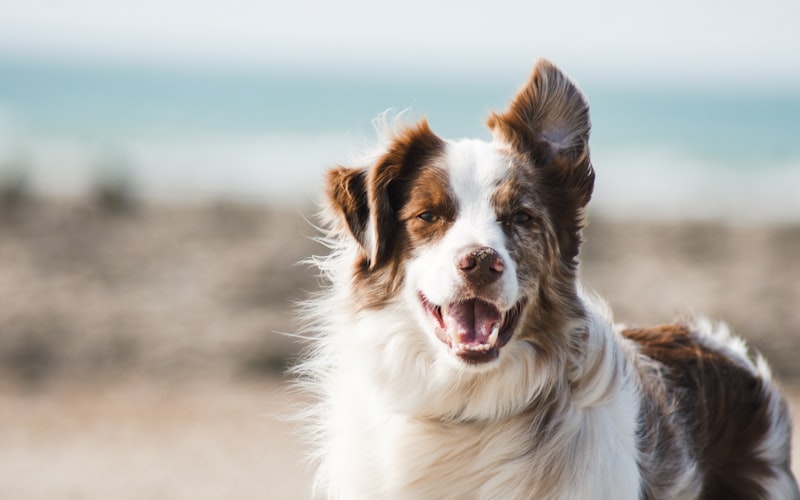
The Yorkshire Terrier weighs seven pounds and is convinced it weighs seventy. This fundamental delusion — which every Yorkie owner will confirm with a mixture of exasperation and admiration — is the key to understanding the breed. The Yorkie is a terrier, not a toy. It was bred to hunt rats in English textile mills, and the tenacity, courage, and sheer audacity required to chase vermin through dark, dangerous machinery lives on in every Yorkie that barks at Great Danes, refuses to walk in rain, and demands to be carried across puddles while simultaneously believing itself the toughest dog on the block.
- History: From Rat Hunter to Fashion Accessory
- Coat: The Silk That Demands a Stylist
- Grooming Options
- Temperament: Terrier in a Toy's Body
- The Attitude
- Intelligence
- Bonding
- With Children
- Health Concerns
- Hypoglycemia
- Dental Disease
- Luxating Patella
- Collapsed Trachea
- Liver Shunt (Portosystemic Shunt)
- Living With a Yorkie
- Frequently Asked Questions
- Are Yorkies hypoallergenic?
- Can Yorkies be left alone?
- Why does my Yorkie shake?
History: From Rat Hunter to Fashion Accessory
The Yorkshire Terrier was developed in Yorkshire, England during the Industrial Revolution. Scottish workers migrating to English textile mills brought small terrier breeds — Clydesdale Terriers, Paisley Terriers, and others now extinct — which were crossed with local terriers to produce a small, agile rat-catching dog. The resulting breed worked in coal mines, textile mills, and clothing factories, keeping rat populations in check.
The breed's striking steel-blue and tan silk coat eventually caught the eye of Victorian ladies, and the Yorkie transitioned from working ratter to fashionable companion by the 1870s. Huddersfield Ben, born in 1865, is considered the foundation sire of the modern breed. The AKC recognized Yorkshire Terriers in 1885.
Coat: The Silk That Demands a Stylist
The Yorkie's coat is its most distinctive feature and its most demanding characteristic. Unlike most dogs, Yorkies have hair, not fur — it grows continuously like human hair, doesn't shed in cycles, and has a texture similar to fine silk. This means:
- Low allergen production: While not truly hypoallergenic, Yorkies produce less dander than double-coated breeds, making them more tolerable for allergy sufferers.
- Continuous growth: The coat will grow to floor length if not trimmed, requiring daily brushing and regular professional grooming.
- Matting: The silky texture mats easily, especially behind ears, under legs, and around the collar area. A single week without brushing can produce mats that require cutting out.
Grooming Options
| Style | Maintenance | Grooming Cost | Best For |
|---|---|---|---|
| Show coat (full length) | Daily brushing, wrapping, oiling | $100-$200/month | Show exhibitors only |
| Puppy cut (1-2 inches) | Brushing 3x weekly, groomer every 6-8 weeks | $50-$80/visit | Most pet owners |
| Teddy bear cut | Brushing 2-3x weekly, groomer every 6-8 weeks | $50-$80/visit | Owners wanting a cute, manageable look |
Temperament: Terrier in a Toy's Body
The Attitude
Yorkies have a self-confidence inversely proportional to their size. They will challenge much larger dogs, demand attention with theatrical intensity, and assert ownership of furniture, laps, and entire rooms. This is not a passive dog that sits quietly in a purse — it is a terrier with opinions, preferences, and a willingness to vocalize all of them.
Intelligence
Yorkies are quick learners who understand far more than they choose to obey. They can learn tricks, routines, and household rules rapidly — compliance is a separate negotiation. Positive reinforcement with high-value treats is the most effective training approach; physical corrections produce fearfulness or aggression in this sensitive breed.
Bonding
Yorkies typically bond most strongly with one person, becoming their devoted shadow. They can be suspicious of strangers, possessive of their person, and jealous of attention given to other pets or children. Early socialization moderates these tendencies but doesn't eliminate them — this is a one-person dog by nature.
With Children
Yorkies are not recommended for households with young children. At 4-7 pounds, they are fragile — a fall from a child's arms can cause serious injury or death. They have low tolerance for rough handling and may snap when hurt or frightened. Families with children under 8 should consider sturdier breeds.
Health Concerns
Hypoglycemia
Low blood sugar is common in Yorkie puppies and small adults. Symptoms: shakiness, lethargy, confusion, seizures. Puppies must eat every 3-4 hours. Keep corn syrup or honey available for emergencies. This is the #1 cause of Yorkie puppy emergency vet visits.
Dental Disease
The most significant ongoing health issue. Yorkies' tiny jaws crowd teeth, creating pockets where bacteria thrive. Without proactive dental care, most Yorkies will need multiple extractions by middle age. Prevention requires:
- Daily tooth brushing (non-negotiable for this breed)
- Annual professional dental cleaning under anesthesia
- Dental-appropriate chews and water additives
Luxating Patella
Kneecap dislocation affects up to 25% of Yorkies. Ranges from occasional skipping to chronic lameness requiring surgical correction ($1,500-$3,000 per knee).
Collapsed Trachea
The cartilage rings supporting the windpipe weaken, causing a chronic honking cough, especially during excitement or leash pulling. Always use a harness (never a collar) on a Yorkie. Severe cases may require medication or surgical stenting.
Liver Shunt (Portosystemic Shunt)
A congenital vascular abnormality where blood bypasses the liver. Symptoms: stunted growth, confusion after eating, seizures. Surgical correction is possible but expensive ($5,000-$10,000). More common in Yorkies than most breeds.
- Legg-Calvé-Perthes Disease: Deterioration of the femoral head, causing hip pain and lameness
- Progressive Retinal Atrophy: Hereditary blindness. DNA test available.
- Lifespan: 12-16 years with proper care. Dental disease is the most common life-shortening factor in well-bred Yorkies.
Living With a Yorkie
- Exercise: 30-45 minutes daily. Short walks and indoor play. Yorkies are not distance athletes but they are active and enjoy exploring.
- House training: Notoriously difficult. Small bladders mean frequent bathroom breaks. Many Yorkie owners use indoor pee pads as a supplement to outdoor training, especially in bad weather (Yorkies despise rain and cold).
- Temperature sensitivity: Yorkies chill easily due to their single coat and small size. Sweaters are not fashion statements — they are functional necessities in cool weather.
- Safety: Small enough to be injured by falls from furniture, stepped on, or attacked by larger animals. Hawk and coyote predation is a real risk in some areas. Supervise outdoor time and avoid off-leash areas with larger dogs.
Frequently Asked Questions
Are Yorkies hypoallergenic?
Closer to hypoallergenic than most breeds, but no dog is truly allergen-free. Yorkies produce less dander and shed minimally, making them more tolerable for many allergy sufferers. Spend time with Yorkies before committing if allergies are a concern.
Can Yorkies be left alone?
For moderate periods (4-6 hours) with access to water, pee pads, and a safe space. Longer periods lead to anxiety and destructive behavior. Yorkies are companion dogs who need interaction and stimulation.
Why does my Yorkie shake?
Yorkies shake for multiple reasons: cold (most common — they chill easily), excitement, anxiety, or hypoglycemia. If shaking is persistent and accompanied by lethargy, check blood sugar and contact your vet. A sweater often solves the problem.