
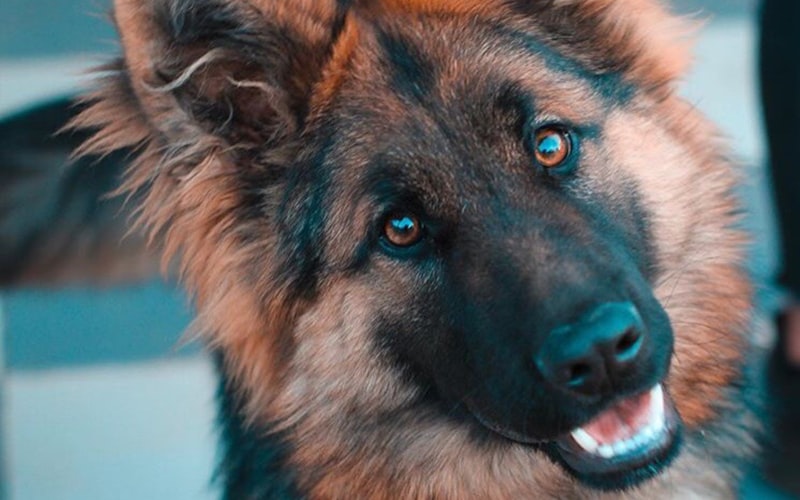
The Vizsla (pronounced VEESH-la) is the dog equivalent of a marathon runner who also wants to cuddle on the couch afterward. This Hungarian pointer combines elite athletic ability with an almost obsessive need for human connection, creating a dog that will run 10 miles with you in the morning and then press itself against you on the sofa all evening. The Vizsla is not a dog that lives alongside you — it is a dog that lives on you.
History
The Vizsla is Hungary's national dog, with roots tracing to the 10th-century Magyar tribes who settled the Carpathian Basin. Stone etchings from the era show smooth-coated hunting dogs resembling modern Vizslas accompanying Magyar falconers. The breed was refined by Hungarian nobility as a versatile pointing and retrieving dog, capable of working in the field, forest, and water. The breed nearly went extinct after World War II — only about a dozen Vizslas survived the war and Soviet occupation. The entire modern breed descends from this tiny founder population. AKC recognition came in 1960.
Temperament: The Definition of Velcro Dog
If any breed owns the title "Velcro Dog," it is the Vizsla. Their attachment to their humans goes beyond normal canine bonding:
- Physical contact: Vizslas want to touch you at all times. Sitting on your feet, leaning against your leg, lying across your lap, pressing their forehead into your chest — physical contact is how they regulate their emotional state.
- Separation anxiety: The breed's most significant behavioral challenge. Vizslas left alone for extended periods develop severe anxiety manifesting as destructive behavior, excessive barking/howling, self-harm (licking/chewing paws raw), and depression. If you work full-time away from home with no companion for the dog, this breed is not appropriate.
- Sensitivity: Vizslas are emotionally attuned to their owners. Your stress is their stress. Your happiness is their happiness. They read moods with uncanny accuracy and respond accordingly.
- Gentle nature: Despite their athletic build, Vizslas are gentle dogs. Rarely aggressive, excellent with children, and typically good with other dogs.
Exercise: The Non-Negotiable
Vizslas require more exercise than most people expect from a pointing breed:
- Minimum: 90-120 minutes of vigorous daily exercise — running, swimming, hiking, field work
- Ideal: Active owners who run, bike, hike, or hunt regularly and include the Vizsla in every activity
- Mental stimulation: Nose work, retrieval drills, advanced obedience, agility. The Vizsla needs brain work alongside physical activity.
- Under-exercise consequences: Destructiveness, hyperactivity indoors, neurotic behaviors, excessive barking — a Vizsla without adequate exercise is miserable and makes its owners miserable.
Health
Vizslas are generally healthy dogs with a moderate health profile:
- Hip dysplasia: OFA screening for breeding dogs.
- Eye conditions: Progressive retinal atrophy, cataracts. Annual CERF exams recommended.
- Epilepsy: Occurs at moderate rates in the breed.
- Lymphosarcoma: Cancer incidence is moderate but present. Regular veterinary screening.
- Hypothyroidism: Annual thyroid panel recommended after age 3.
- Allergies: Food and environmental allergies occur at moderate rates.
- Sebaceous adenitis: Inflammatory skin disease affecting oil glands. More common in Vizslas than many breeds.
- Lifespan: 12-14 years.
Grooming
- Coat: Short, smooth, golden-rust. Minimal grooming — weekly brush, occasional bath.
- Shedding: Light to moderate. Less than most sporting breeds.
- No undercoat: Vizslas have a single coat, making them cold-sensitive. They need coats or sweaters in cold weather and should not live outdoors.
- Odor: Very low — Vizslas are one of the least "doggy-smelling" breeds.
Frequently Asked Questions
Are Vizslas good for first-time owners?
Only if you are genuinely active (running, hiking 90+ minutes daily) and home frequently. The exercise demands and separation anxiety challenges overwhelm many first-time owners. If you meet the lifestyle requirements, the breed's trainability and gentle nature make them rewarding companions.
Can Vizslas live in apartments?
With an extremely active owner, yes. The dog's exercise needs must be fully met regardless of living space. A Vizsla in an apartment with a daily runner is better off than one in a house with a sedentary owner.
Vizsla vs. Weimaraner?
Both are velcro sporting breeds with similar exercise needs. Vizslas are slightly smaller, generally more sensitive, and somewhat easier for novice owners. Weimaraners are larger, more independent, and have a higher prey drive. Both require intense exercise and cannot be left alone for extended periods.