
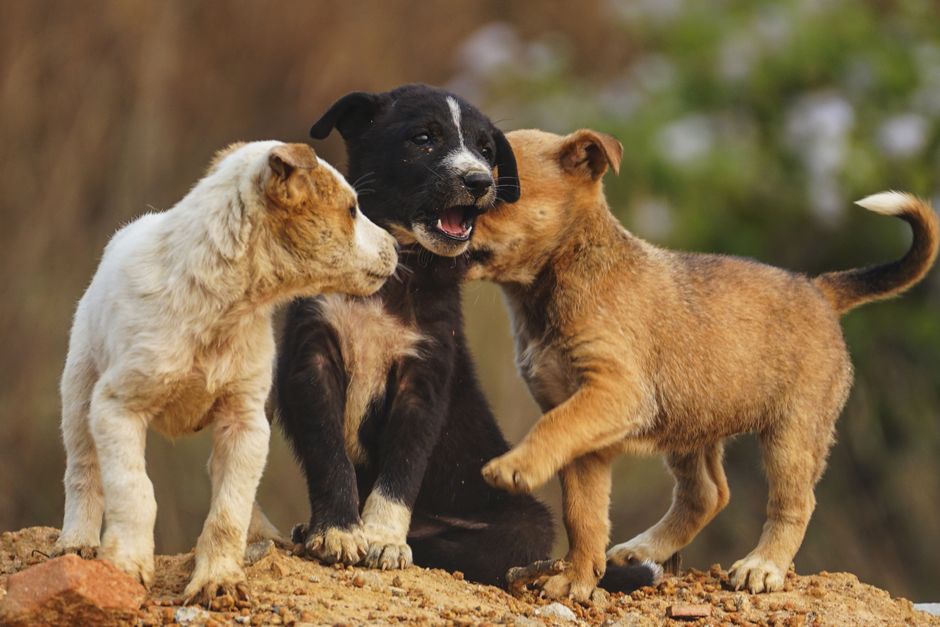
Imagine walking through the park with your dog by your side, no leash in hand, and your furry friend staying close and responsive to your every command. This level of freedom and trust is possible when you learn how to train your dog to walk off leash reliably. Off-leash walking not only enhances your bond but also gives your dog more freedom to explore safely. In this comprehensive guide, we'll walk you through a step-by-step training process that builds the skills needed for reliable off-leash behavior.
Why Start with Basic Obedience Commands for Off-Leash Training?
Before you even think about removing the leash, your dog must master basic obedience commands in a controlled setting. Commands like “sit,” “stay,” “come,” and “heel” form the foundation for off-leash reliability. Without these, your dog may ignore you when distractions arise. Start training in a quiet environment with minimal interruptions. Use treats and praise to reinforce positive behaviors. However, consistency is key—practice daily until your dog responds reliably to each command. This groundwork makes the transition to off-leash much smoother.
- Sit – Teaches patience and impulse control.
- Stay – Builds focus and reliability.
- Come (recall) – Essential for safety if your dog wanders.
- Heel – Encourages walking calmly beside you.
Furthermore, these commands should be practiced in various positions (e.g., sitting, lying down) to ensure your dog understands the verbal cue regardless of context. Once your dog can perform these commands reliably on leash with distractions present, you’re ready to move to the next step.
How to Choose the Right Equipment for Off-Leash Training?
Selecting proper equipment can greatly influence your training success. For initial off-leash work, use a long training line (15-30 feet) to give your dog freedom while maintaining control. Avoid retractable leashes as they can teach pulling and reduce your control. A well-fitted harness or flat collar is fine, but consider a front-clip harness for dogs that pull. Additionally, have high-value treats on hand—cut into small pieces—to motivate your dog. Additionally, a training whistle or clicker can be useful for marking desired behavior from a distance. With the right gear, you set the stage for positive training sessions.
Step 3: How to Practice in a Controlled Environment?
Start in a securely fenced area like your backyard or a quiet park. With your dog on a long line, let him explore a bit, then call him using the recall command (“come”). When he responds, reward generously. Repeat this several times. However, if he doesn’t come, gently reel him in using the line and avoid scolding—you want his recall to be associated with positive experiences. Next, practice heeling without the leash attached but with the long line dragging for safety. Use treats to keep his attention on you during walks. Gradually increase the duration and distance of these sessions.
Tips for Controlled Practice
- Use a consistent verbal cue like “free” to release your dog from heeling.
- Vary your pace and direction to keep your dog focused.
- End on a positive note after a successful recall.
Furthermore, keep sessions short (5-10 minutes) to maintain your dog’s enthusiasm. Always praise calm behavior and reset if your dog gets too excited.
Step 4: How to Introduce Distractions Gradually?
Once your dog responds well in a quiet area, it’s time to add distractions. Choose a slightly busier location, such as a park with occasional people or other dogs. Still use the long line for safety. Watch for signs of your dog becoming overstimulated—if he stops responding to you, move further away from the distraction. Additionally, incorporate distractions intentionally by having a friend walk with a dog at a distance. Practice recall and heeling as before. Reward heavily for ignoring distractions and focusing on you.
| Distraction Level | Location | Recommended Practice |
|---|---|---|
| Low | Backyard | Basic commands with no distractions |
| Medium | Quiet park | Recall with other dogs at a distance |
| High | Busy park or trail | Heeling near distractions |
However, never rush this stage. Each dog learns at their own pace. If your dog regresses, take a step back to a less challenging environment before progressing again.
Step 5: How to Reinforce Reliable Recall?
Recall is the most critical skill for off-leash safety. To make it rock-solid, practice “emergency recalls” using extra-special treats (like cheese or chicken). In a safe area, hide from your dog and call him—this teaches him to come even when he can’t see you. Always reward with praise and food when he finds you. Furthermore, practice recall during play. If your dog is playing with a toy, call him, reward, then allow him to return to play. This makes coming to you not an ending to fun but a positive interruption. Eventually, phase out treats but continue intermittent rewards to keep recall strong.
Step 6: How to Transition to Off-Leash Walking?
When your dog consistently responds to commands on a long line in moderately distracting environments, you can try removing the leash in a safe, enclosed area. Start with short sessions (2-5 minutes). Let your dog walk ahead, then call him back. If he stays close, praise and treat. If he starts to stray, use a cheerful tone to redirect. Additionally, practice the “watch me” cue to maintain focus. Gradually increase the length of walks and vary the routes. Always keep high-value treats handy. Remember, off-leash walking requires constant vigilance—stay alert to your dog’s body language and surroundings.
However, never let your dog off leash in unsafe areas (near roads or off-leash bans). Use a long line or leash in such locations. Transition to full off-leash only when your dog is reliable in a variety of situations.
What Common Mistakes Should You Avoid in Off-Leash Training?
Even experienced trainers can slip up. Here are pitfalls to avoid:
- Skipping stages – Moving too fast can lead to failure. Build gradually.
- Using the leash as punishment – Never yank or jerk the leash; it creates negative associations.
- Inconsistent rewards – Sometimes not rewarding a recall weakens it.
- Training off-leash in unsafe areas – Always prioritize safety.
- Ignoring small successes – Celebrate every step forward.
Furthermore, avoid calling your dog to come for something unpleasant (like leaving the park). That teaches him to avoid recall. Instead, call him often to give a treat and then allow him to go back to play.
How to Achieve Reliable Off-Leash Walking—Conclusion?
Training your dog to walk off leash reliably is a journey that requires patience, consistency, and positive reinforcement. Start with solid obedience, choose the right equipment, practice in controlled environments, gradually introduce distractions, and reinforce recall. Avoid common mistakes and always put safety first. With time and dedication, you and your dog can enjoy the freedom of off-leash walks together. Remember, every dog learns at their own pace—celebrate the small victories and keep training fun!