
Why Does Your Dog Ignore Commands Outdoors?
Recall training for dogs that ignore commands outdoors is a common struggle for many pet owners. When your dog bolts after a squirrel or ignores your calls at the park, it can be frustrating and even dangerous. However, understanding why this happens is the first step toward a solution. Outdoors, dogs face a symphony of distractions: exciting smells, moving animals, other dogs, and open space—all competing for their attention. Unlike in a quiet living room, these stimuli trigger instinctual behaviors that override trained responses. Additionally, if recall training was only practiced indoors, your dog hasn't generalized the cue to outdoor environments. Moreover, a lack of high-value rewards or inconsistent reinforcement can weaken the behavior. By recognizing these root causes, you can tailor your recall training approach to build reliable obedience even in the most tempting settings.
Root Causes of Outdoor Distraction
- Instinctual prey drive triggers chase behavior
- Novel environments create sensory overload
- Inadequate proofing beyond low-distraction settings
- Low reward value compared to environmental excitement
Furthermore, dogs that only receive mild praise or a kibble treat for returning may quickly learn that ignoring you is more rewarding. Therefore, boosting reward value is critical—a topic we'll explore next.

How to Start Recall Training in a Low-Distraction Environment?
To overcome outdoor defiance, begin recall training with your dog in a quiet, enclosed area such as your backyard or a indoor hallway. This foundation building phase reinforces the behavior without competition. Start by using a cheerful tone and your dog's name, followed by a clear command like 'Come!'. As soon as your dog approaches, reward immediately with a high-value treat and enthusiastic praise. Practice this 5–10 times per session, gradually increasing distance between you and your dog. Additionally, vary the starting points so the dog learns the cue works from any location. It's essential to never punish a slow recall; always make coming to you a positive experience. A great way to build engagement is to run away from your dog while calling—this triggers a chase instinct and makes you the fun target. Once your dog reliably responds in this low-distraction setting, you are ready to move to the next step.
What Are the Best High-Value Rewards for Recall Training?
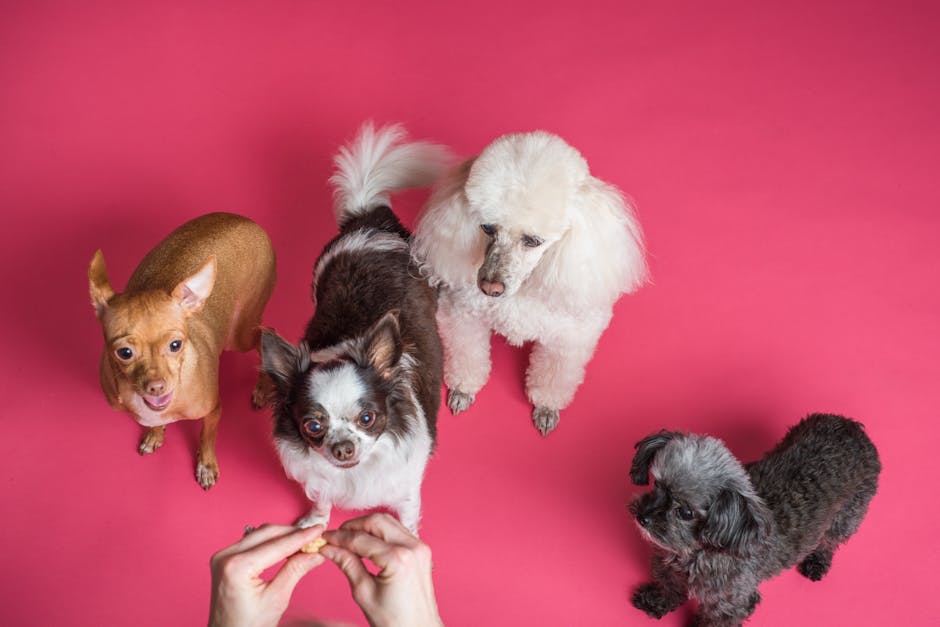
Recall training for dogs that ignore commands outdoors demands rewards that are irresistible. Standard kibble often lacks the necessary appeal when competing with a squirrel or a new dog. Instead, opt for treats that are smelly, soft, and uniquely reserved for recall sessions. Consider using small pieces of cooked chicken, beef liver, cheese, or commercial freeze-dried treats. The key is that the treat must be more exciting than anything else in the environment. Furthermore, incorporate variable reinforcement: sometimes give one treat, sometimes three, or even a favorite toy if your dog is toy-motivated. This unpredictability keeps the dog guessing and maintains high effort. Below is a quick comparison of reward options:
| Reward Type | Effectiveness | Best For |
|---|---|---|
| Soft, smelly treats (e.g., chicken, liver) | High | Most dogs |
| Hard kibble | Low to Moderate | Low distraction only |
| Toy (tug, ball) | High if play-driven | Athletic herding breeds |
| Praise + play | Moderate | Already motivated dogs |
Additionally, always carry the reward with you outdoors. Using a treat pouch can make access quick and seamless. Remember: the reward must be delivered within two seconds of the recall to strengthen the association.
How to Gradually Increase Distractions Outdoors?
Once your dog reliably comes indoors, it's time to proof recall training for dogs that ignore commands outdoors in a controlled manner. Start by moving to a fenced area with mild distractions—perhaps a quiet park at a low-traffic hour. Maintain a long line (15–30 feet) to ensure safety. Call your dog only when you are confident it will respond; otherwise, you risk practicing failure. Progress through these levels:
- Quiet backyard with no other animals
- Park with people at a distance
- Areas with one or two dogs, but at a safe distance
- Busy park with multiple dogs and moving objects
Meanwhile, always reward every successful recall with gusto. If your dog ignores you, do not repeat the command—instead, make a kissing noise or run away to re-engage. Never chase your dog; that turns recall into a game of tag. Furthermore, use a different tone of voice (excited, not harsh) to capture attention. Over several weeks, you can fade out the long line in safe, enclosed areas. However, continue using it in open spaces until the behavior is rock solid.
Which Recall Games Make Training Fun and Effective?
Training should not feel like a chore. Incorporating games turns recall training into a bonding activity. One classic game is 'Catch Me'—run away from your dog calling 'Come!', stop, then reward with a treat or play. Another is 'Round Robin' where two people call the dog back and forth, exchanging rewards. 'Hide and Seek' builds excitement: hide behind a tree or bush and call your dog, rewarding when found. Additionally, play 'Recall Tug' where the dog comes to you, grabs a tug toy, and you play for 30 seconds before releasing. These games leverage your dog's natural play drive and make the recall command self-rewarding. To maximize effectiveness, keep sessions short (5–10 minutes) and end on a positive note. Use the games in various outdoor contexts to ensure generalization.
What to Do If Your Dog Still Ignores Commands?
If despite your efforts, your dog still ignores your recall outdoors, it's time to troubleshoot. First, assess whether you are competing with too high a distraction. You may have moved too quickly through the steps—back up to a lower distraction level. Additionally, check your reward value: are you using something truly high-value? Sometimes a dog becomes satiated; try rotating reward types or using a special 'recall only' treat. Another common pitfall is using the recall command for things your dog dislikes, like leaving the park or ending play. Never associate 'Come' with ending fun; only use it for positive outcomes. If your dog still ignores you, consider using a long line to prevent reinforcement of ignoring. When you call and the dog doesn't come, gently reel it in without tension, then reward when it reaches you. This technique, known as 'positive reinforcement with a life line', prevents the dog from learning that ignoring works. Furthermore, check for any medical issues like hearing loss or pain that could affect obedience. If problems persist, consulting a professional dog trainer or behaviorist (covered in the next section) might be necessary.
How to Use a Long Line for Recall Training Safely?
A long line is an invaluable tool for recall training for dogs that ignore commands outdoors. It gives your dog freedom while you maintain control. Choose a lightweight, non-tangle line made of biothane or nylon, 15–30 feet long. Attach it to a back-clip harness rather than a collar to avoid neck strain. When using the long line, always keep it loose—never constant tension. Call your dog; if it doesn't respond, gently and calmly reel it in, then reward immediately. Avoid yanking or jerking, which can create negative associations. Practice in open areas where the line won't snag on bushes. Additionally, never leave the long line on an unsupervised dog as it can become entangled. Over time, once recall is reliable in that environment, you can transition to dropping the line or using a shorter leash. Safety tip: avoid retractable leashes for this training—they don't provide the consistent length and control needed for proper recall work.
When Should You Seek Professional Help?
If you've applied all above strategies consistently for several weeks and your dog still ignores commands outdoors, it may be time to consult a professional. Signs that professional intervention is needed include: your dog runs away and shows no interest in returning, shows aggressive behavior when approached, or has a history of trauma. A certified dog trainer or behaviorist can assess your dog's individual temperament, identify underlying issues like fear or resource guarding, and design a customized recall program. Moreover, if your dog has a strong prey drive or has been reinforced for ignoring commands for years, professional help speeds up progress. Additionally, group classes offer controlled distractions with other dogs, which simulates real-world conditions. Remember that recall training is a life-long skill—regularly refreshing it even after success ensures reliability. Invest in professional guidance early if you feel stuck; it's far safer than risking your dog's safety outdoors.
Conclusion
Recall training for dogs that ignore commands outdoors requires patience, high-value rewards, progressive exposure to distractions, and consistent practice. By starting in low-distraction environments, using irresistible treats, incorporating fun games, and employing tools like long lines safely, you can transform your dog's outdoor behavior. However, every dog learns at its own pace—celebrate small victories and never resort to punishment. With dedication, your dog will reliably come when called, giving you peace of mind and more freedom in outdoor adventures. Start today, and enjoy a stronger bond with your canine companion.