
Why is it important to train your dog to be calm around guests?
Having a dog that jumps, barks, or paces excitedly when visitors arrive can turn a pleasant gathering into a stressful event. Not only does this behavior embarrass owners, but it can also make guests uncomfortable or even frightened. Teaching your dog to remain composed during greetings is essential for safety, social harmony, and your pet’s own emotional balance. By investing time in how to train your dog to be calm around guests, you create a welcoming atmosphere and strengthen the bond between you and your canine companion. Moreover, a calm dog is a happy dog—excessive arousal often leads to anxiety or reactivity. This guide provides clear, actionable steps to achieve lasting calmness at your doorstep.
How can you set up a calm environment before guests arrive?
Preparation is key. Before anyone steps through the door, manage your dog’s immediate surroundings to reduce triggers. Start by exercising your dog beforehand—a tired dog is naturally more relaxed. Take a brisk walk or play a game of fetch to burn off excess energy. Additionally, consider using calming aids such as a pheromone diffuser or a pressure wrap (like a ThunderShirt) if your dog is particularly anxious.
Pre-visit checklist
- Exercise your dog 30 minutes before guests come.
- Prepare a quiet space with a comfortable bed, water, and a favorite chew toy.
- Keep treats readily available for rewarding calm behaviors.
- Brief your guests on the training plan—ask them to ignore the dog initially.
Furthermore, evaluate your own mindset. Dogs are perceptive and often mirror their owner’s stress. Stay calm and confident; your energy will influence your dog’s response. By controlling the environment and your own emotions, you set the stage for success.
What is the best way to introduce your dog to guests calmly?
When guests arrive, resist the urge to have your dog greet them immediately. Instead, use a management tool like a leash or baby gate to maintain control. Ask your dog to sit or lie down a few feet from the door. Only when your dog is settled should you allow the guest to enter slowly. If your dog remains calm, reward with a treat. If not, ask the guest to step back and wait until your dog refocuses.
During introductions, instruct guests to avoid direct eye contact, loud voices, or sudden movements. They should also refrain from petting until your dog is completely relaxed. This prevents the dog from associating guest arrivals with high excitement. Over time, your dog will learn that calm behavior leads to pleasant interactions, not frantic greetings.
How can you use positive reinforcement to reward calm behavior?
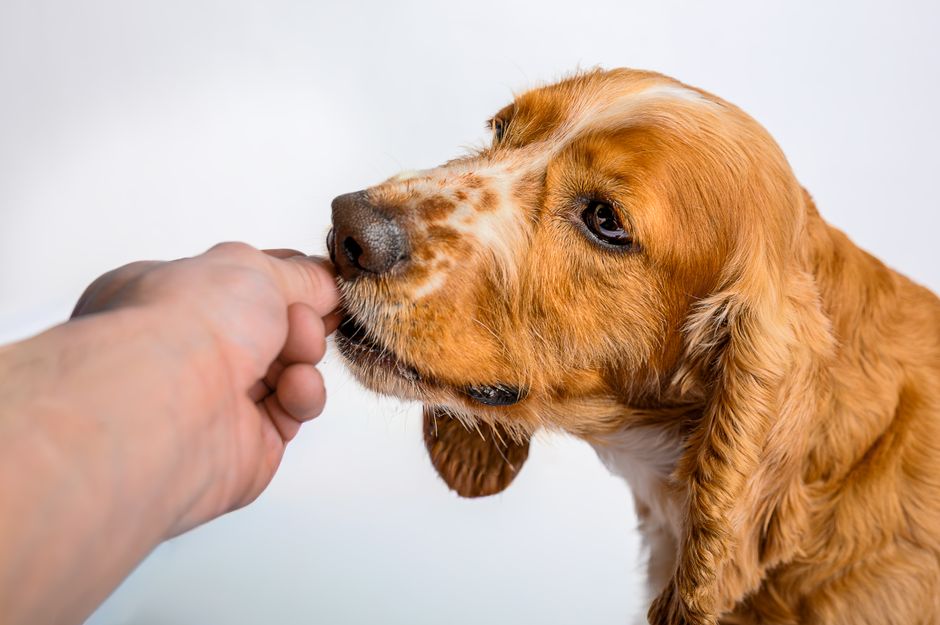
Positive reinforcement is the cornerstone of this training. Instead of scolding excitement, capture and reward moments of calmness. Keep a bowl of high-value treats near the door. When a guest rings the bell and your dog remains quiet and four-on-the-floor, immediately praise and treat. Consistency is crucial—reward every instance of calm behavior, even if it lasts only a few seconds.
To make reinforcement effective, follow these steps:
- Identify the calm behavior (e.g., sitting, lying down, quiet).
- Mark the exact moment with a word like “yes” or a clicker.
- Deliver a treat within one second.
- Gradually increase the duration of calmness before rewarding.
Additionally, avoid punishing excited behavior. Punishment can increase anxiety and worsen the problem. Instead, simply withhold attention and treats until your dog settles. Over time, your dog will understand that calmness earns rewards, while excitement earns nothing.
How do you practice the “place” or “settle” command for guest situations?
The “place” command—where your dog goes to a designated mat or bed and stays—is a powerful tool for guest management. Begin training in a low-distraction environment. Use a mat or dog bed and lure your dog onto it. Give the cue “place” and treat when all four paws are on the mat. Gradually add duration, then distance, and finally distractions like knocking or doorbell sounds. Once your dog reliably stays on place during practice, generalize the command to real-life arrivals.
When guests come, send your dog to their place before opening the door. If your dog breaks the stay, calmly guide them back without scolding. Reward each successful stay. The place becomes a safe zone where your dog can observe guests from a distance, reducing the urge to jump or bark.
What should you do if your dog becomes overly excited or anxious?
Despite preparation, some dogs may still become overwhelmed. Signs include frantic barking, spinning, pacing, or whining. In such moments, avoid escalating the situation. Immediately remove your dog from the greeting area—either to their place or to a separate quiet room. Give them a calming activity like a stuffed Kong or a chew bone. Wait for a complete reset (usually 5–10 minutes) before attempting a reintroduction. If anxiety is frequent, consult a professional trainer or veterinarian to rule out underlying issues.
Moreover, never force interactions. If your dog is too stressed, it’s better to manage the situation calmly than to push through. Use baby gates or crates as needed. Also, ensure guests do not approach the dog while it is still agitated. Respecting your dog’s threshold builds trust and prevents setbacks.
How can you gradually increase the difficulty of guest simulations?
To solidify calm behavior, you must slowly increase the challenge. Start with one calm guest who follows your training protocol. Once your dog handles that consistently, invite two or three guests. Next, simulate different scenarios: having guests knock instead of ring the bell, letting them enter quickly, or having them carry bags and coats. Each variation should be introduced only after your dog succeeds at the previous level.
Use a table to track progress:
| Scenario | Difficulty Level | Criteria for Success |
|---|---|---|
| 1 calm, familiar guest | Easy | Dog stays in place for 2 minutes |
| 2 calm guests | Medium | No barking or jumping |
| Guests with doorbell | Hard | Remains in place until released |
| Children or loud guests | Very Hard | Stays calm for full visit |
Furthermore, practice regularly—even without guests—by having family members role-play as visitors. Consistency across many repetitions will make the behavior automatic. If your dog regresses, simply drop back a level and rebuild success.
What are the key takeaways for training your dog to be calm around guests?
Training your dog to be calm around guests is not an overnight process, but with patience and consistency, it is absolutely achievable. Start by managing the environment, use positive reinforcement to reward calmness, and teach a solid place command. Gradually increase distractions and always prioritize your dog’s comfort. Remember, the goal is to create a positive association with guest arrivals—not to suppress normal behavior. Celebrate small victories and seek professional help if needed. Your efforts will lead to a more relaxed home and a happier, better-adjusted dog.