

Are you considering adding a loyal and intelligent companion to your family? The German Shepherd dog breed profile reveals a versatile and devoted dog that excels in various roles, from family protector to working canine. Understanding the German Shepherd's temperament, training needs, and health concerns is essential before welcoming one into your home. This comprehensive guide covers everything you need to know about this remarkable herding breed, including exercise requirements, grooming, and common medical issues.
What Is the German Shepherd's Breed History and Temperament?
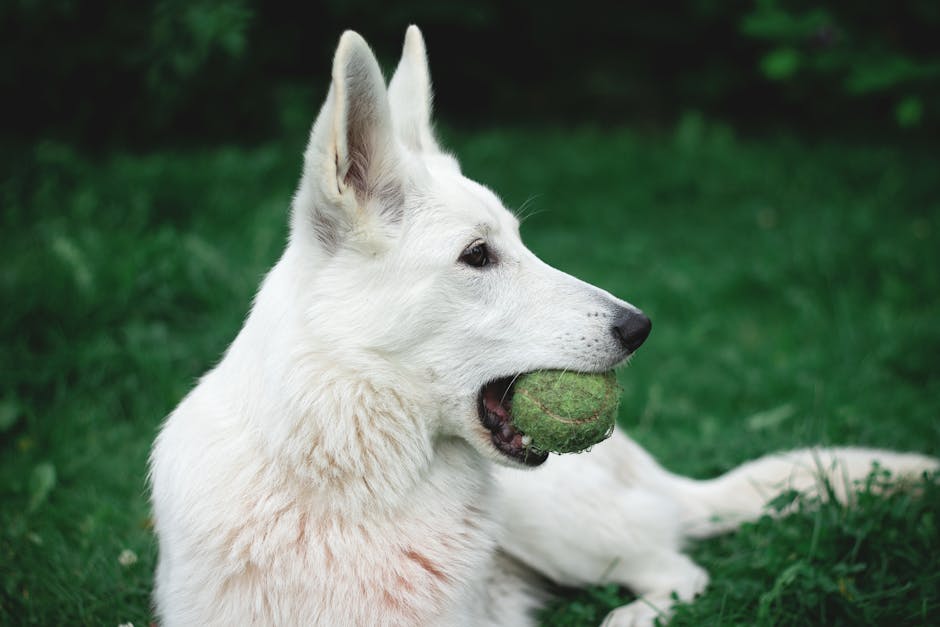
The German Shepherd was originally developed in Germany in the late 19th century for herding and guarding sheep. The breed's intelligence, strength, and loyalty quickly made it a favorite for police, military, and search-and-rescue work. Today, German Shepherds are one of the most popular dog breeds in the world, known for their courage, confidence, and protective instincts. Typically, they form strong bonds with their family and can be reserved with strangers. However, early socialization is crucial to prevent overprotectiveness. These dogs are highly energetic and require both mental and physical stimulation. A bored German Shepherd may develop destructive behaviors. Their temperament can vary: some are more laid‑back while others are intensely driven. Consistent training helps channel their energy positively. Furthermore, they are highly trainable due to their eagerness to please, which makes them excellent candidates for advanced obedience and agility work.

How to Train a German Shepherd?
Training a German Shepherd requires patience, consistency, and positive reinforcement techniques. Start with basic commands like sit, stay, and come as early as possible. Because they are so intelligent, German Shepherds can learn quickly, but they may also test boundaries. Use reward‑based methods with treats, praise, and play. Avoid harsh corrections, which can damage the trust between you and your dog. Socialization should begin in puppyhood; expose your Shepherd to different people, animals, and environments. Below are key training tips for success:
- Begin training the day you bring your puppy home; consistency is vital.
- Use positive reinforcement—food rewards and verbal praise work best.
- Keep sessions short (5–10 minutes) to maintain focus.
- Enroll in a puppy obedience class for structured learning.
- Incorporate mental enrichment through puzzle toys and scent games.
Additionally, German Shepherds thrive when they have a job to do. Consider advanced training in agility, tracking, or protection sports. Without proper guidance, they may become anxious or dominant. Remember to never use intimidation; these dogs respond far better to leadership based on respect.
What Are the Common Health Problems in German Shepherds?
German Shepherds are generally healthy, but like many large breeds, they are prone to certain hereditary conditions. Hip and elbow dysplasia are common, often leading to arthritis later in life. Degenerative myelopathy, a progressive spinal cord disease, also affects the breed. Other health issues include bloat (gastric dilatation‑volvulus), which is a life‑threatening emergency; skin allergies; and pancreatic insufficiency. Responsible breeding practices can reduce the risk of many genetic disorders. However, owners must be vigilant about monitoring their dog's health. Here is a numbered list of the most common health concerns:
- Hip dysplasia
- Elbow dysplasia
- Degenerative myelopathy
- Bloat (GDV)
- Allergies
- Pancreatic insufficiency
Furthermore, regular veterinary check‑ups, a balanced diet, and proper weight management can help mitigate some risks. Early detection of symptoms is crucial. For example, if your German Shepherd shows lameness or reluctance to move, consult your vet promptly.
How to Care for a German Shepherd's Health and Nutrition?
Proper nutrition is the foundation of a healthy German Shepherd. Feed a high‑quality diet formulated for large breeds, with appropriate levels of protein and fat. Puppies require a growth formula to support bone development without rapid growth that can exacerbate dysplasia. Adult shepherds need controlled portions to prevent obesity, which stresses joints. Moreover, consider supplements such as glucosamine and omega‑3 fatty acids to support joint health and coat condition. Always provide fresh water and avoid overfeeding. Routine exercise—at least one to two hours daily—is essential for physical and mental well‑being. Activities like walking, running, fetch, and agility help burn energy. Additionally, keep up with annual vet exams, vaccinations, and parasite prevention. Dental care is often overlooked; brush your dog's teeth regularly to prevent periodontal disease.
What Are the Grooming Requirements for a German Shepherd?
German Shepherds have a double coat consisting of a dense, harsh outer coat and a soft undercoat. They shed moderately year‑round and heavily during seasonal changes (spring and fall). Regular brushing—at least three times a week—reduces loose hair and minimizes matting. Use a undercoat rake or a slicker brush. During heavy shedding periods, daily brushing may be necessary. Bathe your German Shepherd only as needed, typically every few months, using a dog‑specific shampoo to avoid stripping natural oils. Additionally, check their ears weekly for redness or odor, and clean them with a vet‑approved solution. Trim nails monthly if they don't wear down naturally, and brush their teeth regularly. Grooming sessions also provide an opportunity to inspect for skin issues, lumps, or parasites.
Is the German Shepherd the Right Breed for Your Lifestyle?
Deciding whether a German Shepherd fits your household requires honest self‑assessment. This breed is best suited for active individuals or families who can dedicate time to training, exercise, and mental engagement. They thrive in homes with a fenced yard but can adapt to apartment living if exercised adequately. German Shepherds are protective and may be wary of strangers, so early socialization is a must. They are generally good with children when raised together, but supervision is always recommended due to their size and herding instincts. If you work long hours, consider hiring a dog walker or enrolling your dog in daycare. Potential owners should also prepare for substantial shedding and potential health costs. For those willing to invest the effort, the German Shepherd offers unparalleled loyalty and companionship.
Conclusion
The German Shepherd is a remarkable breed that combines intelligence, loyalty, and versatility. From its historical roots as a herding dog to its modern‑day roles in service and companionship, this dog demands commitment from its owner. By understanding the breed's profile—covering training methods, common health issues, nutrition, and grooming—you can provide a fulfilling life for your German Shepherd. If you are ready to offer the time, exercise, and care required, this dog will reward you with unwavering devotion. Whether you are a first‑time dog owner or an experienced handler, the German Shepherd can be a wonderful addition to the right home.