
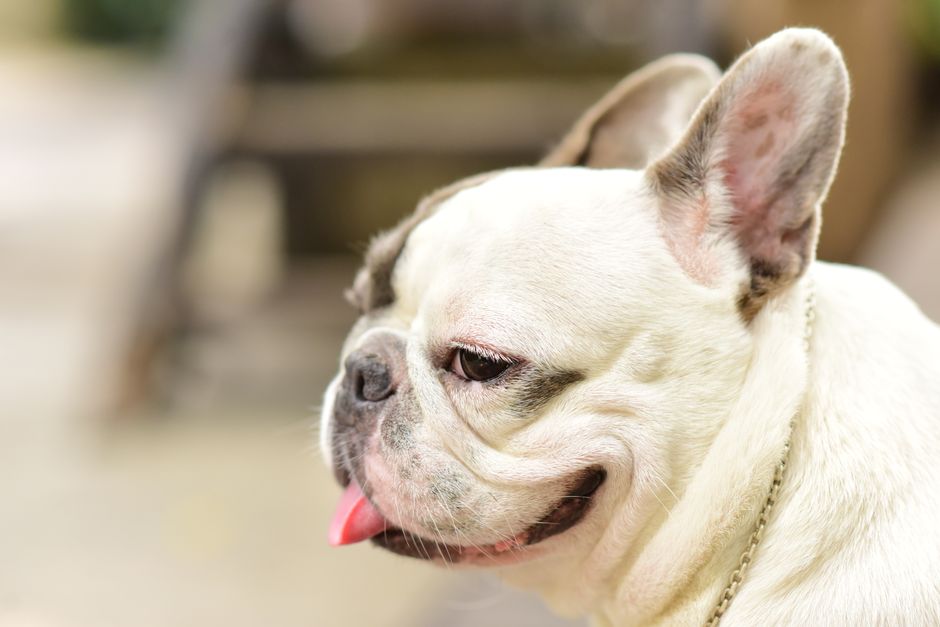
French Bulldogs have captured hearts worldwide with their distinctive bat ears and affectionate personalities. This French Bulldog breed guide explores everything you need to know about health issues and daily care, from managing their brachycephalic traits to providing proper nutrition. Whether you're a new owner or considering adding one to your family, understanding the unique needs of this breed is essential for a happy, healthy companion.
What Makes the French Bulldog a Unique Breed?
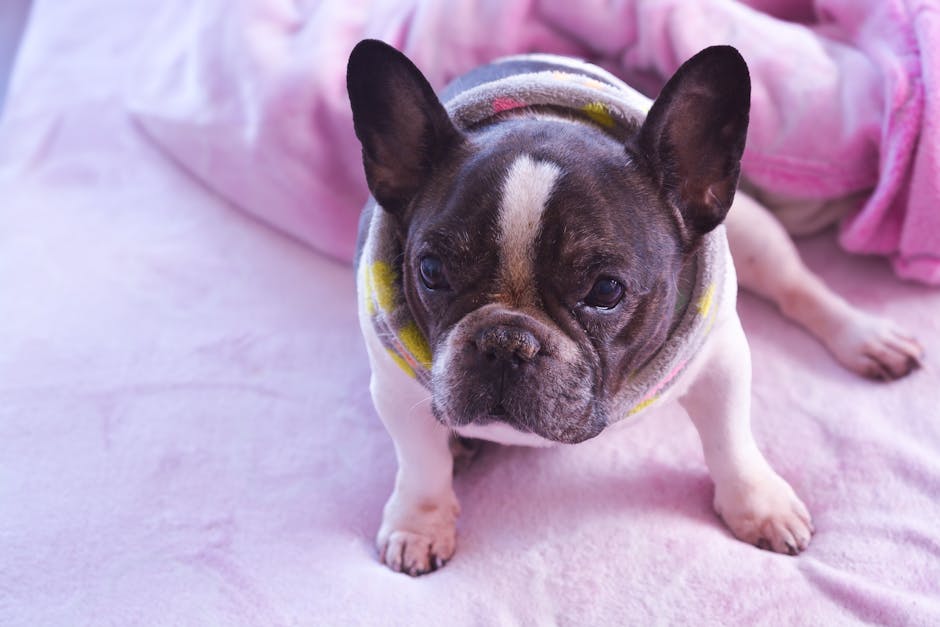
French Bulldogs originated in 19th-century England as miniature bulldogs, later refined in France where they became beloved companions. Their compact, muscular body, large square head, and short muzzle define their appearance. Despite their small size, they have a big personality—playful, alert, and incredibly loyal. However, their distinct features also predispose them to specific health challenges. Additionally, their low exercise requirements make them ideal for apartment living, but potential owners must be aware of the breed's susceptibility to heat stroke and respiratory issues due to their flat faces. For instance, daily walks should be kept short and avoid hot times of day.

What Are the Common Health Issues in French Bulldogs?
French Bulldogs are prone to several hereditary and physical health problems. Understanding these conditions is crucial for proactive care.
- Brachycephalic Obstructive Airway Syndrome (BOAS): Due to their short snouts, many Frenchies have narrowed nostrils and elongated soft palates, causing breathing difficulties, especially in heat or during exercise.
- Allergies: Food, environmental, and skin allergies are common, often leading to itching, ear infections, and hot spots.
- Hip Dysplasia: A genetic condition where the hip joint doesn't fit properly, potentially causing arthritis and mobility issues later in life.
- Intervertebral Disc Disease (IVDD): The breed's heavy body and short legs put stress on the spine, increasing risk of disc herniation.
- Skin Fold Dermatitis: Moisture and bacteria can accumulate in their facial folds, causing infections that require regular cleaning.
Furthermore, French Bulldogs often suffer from eye issues like cherry eye and entropion. Regular vet checkups, a healthy diet, and weight management can mitigate many of these problems. For example, keeping your Frenchie lean reduces strain on joints and airways.
How to Manage Your French Bulldog’s Daily Care?
Daily care for a French Bulldog revolves around moderation and attentiveness. Exercise should be limited to 20–30 minutes twice daily, avoiding strenuous activity in warm weather. Always carry water and watch for signs of overheating, such as excessive panting. Their diet must be high-quality and portion-controlled to prevent obesity, which exacerbates health issues. Grooming includes wiping facial folds daily with a damp cloth and cleaning ears weekly. Additionally, mental stimulation is vital—puzzle toys and short training sessions keep their intelligent minds engaged. Since they are prone to separation anxiety, create a consistent routine with comfort items when you're away.
What Is the Ideal Nutrition for a French Bulldog?
Feeding a French Bulldog requires careful attention to ingredients and portion sizes. Opt for a dog food formulated for small breeds with moderate protein (20–25%) and low to moderate fat (12–15%) to maintain weight. Avoid foods with excessive grains, fillers, or artificial additives that may trigger allergies. Many owners choose grain-free formulas, but recent FDA warnings link some to dilated cardiomyopathy (DCM), so consult your vet.
Consider the following feeding tips:
- Divide daily food into two meals to reduce risk of bloat and help with digestion.
- Use a slow feeder bowl to prevent gulping air, which can cause gas and discomfort.
- Include joint supplements containing glucosamine and chondroitin for hip and spine support.
- Monitor treat intake—no more than 10% of daily calories.
Additionally, fresh water should always be available, and avoid feeding table scraps, especially grapes, onions, or chocolate.
How to Train a French Bulldog?
Training a French Bulldog requires patience, consistency, and positive reinforcement. Their stubborn nature can pose challenges, but they respond best to reward-based methods. Start with basic commands like sit, stay, and come, using high-value treats. Socialization from puppyhood is essential to prevent fearfulness towards strangers and other dogs. Potty training can be tricky due to a small bladder; take them out every 2–3 hours and praise immediately after elimination. Additionally, crate training provides a safe den and aids in housebreaking. Never use harsh corrections, as French Bulldogs are sensitive and may shut down. For instance, redirection and gentle guidance work far better than scolding.
What Grooming Routine Does a French Bulldog Need?
French Bulldogs have a short, smooth coat that sheds moderately year-round. Brush them weekly with a rubber curry brush to remove dead hair and distribute natural oils. Their facial folds need daily cleaning with a vet-recommended wipe to prevent skin infections. Nail trimming every two weeks prevents overgrowth and discomfort—if you hear nails clicking on the floor, they're too long. Also, clean their ears weekly with a cotton ball and gentle cleaner, but avoid deep probing. Bathing every 1–2 months using a hypoallergenic shampoo preserves skin health. However, over-bathing can strip oils, so spot clean if necessary. Additionally, check their teeth regularly and brush several times a week to prevent periodontal disease.
What Is the Life Expectancy of a French Bulldog?
French Bulldogs typically live 10–12 years, though some reach 14 with excellent care. Key factors influencing lifespan include genetics, diet, exercise, and preventive veterinary medicine. Regular health screenings for hip dysplasia, eye problems, and heart issues can catch problems early. Weight management is especially critical—overweight Frenchies have shorter lives due to increased strain on breathing, joints, and internal organs. Furthermore, avoiding extreme temperatures and strenuous activity minimizes health risks. With proper attention to their unique needs, you can help your Frenchie enjoy a long, quality life.
How to Choose a Responsible French Bulldog Breeder?
Selecting a reputable breeder is paramount to avoid inherited health issues. A responsible breeder will perform health tests for BOAS, hip dysplasia, and genetic disorders, and provide certifications. They should allow you to visit the facility, meet the puppy's parents, and ask questions about lineage. Red flags include breeders who have multiple litters available year-round, cannot provide health clearances, or seem to prioritize profit over animal welfare. For instance, ask about the puppy's socialization and early handling. Additionally, a good breeder will take back a dog at any time if you can't keep it and often requires a spay/neuter contract for pet quality puppies. Take your time to research and avoid impulse purchases.
Conclusion
Owning a French Bulldog is a rewarding experience filled with affection and laughter, but it comes with responsibilities. By understanding their health issues and committing to daily care routines in nutrition, exercise, grooming, and training, you can provide a loving home for your Frenchie. This breed guide serves as a foundation—always consult your veterinarian for personalized advice. Remember, a well-cared-for French Bulldog will be a loyal companion for years to come.