
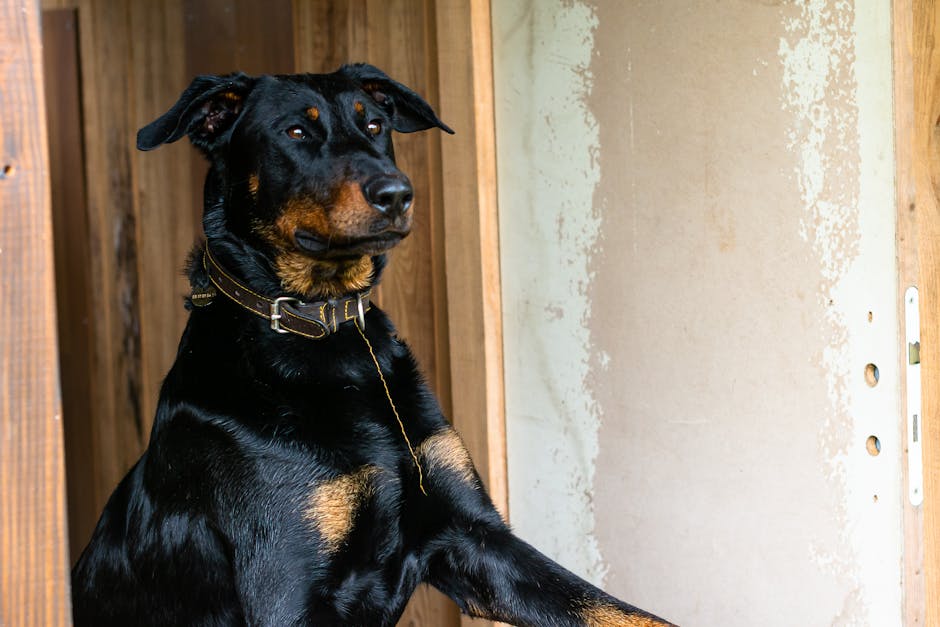
The Doberman Pinscher stands as one of the most loyal and intelligent dog breeds, but their powerful nature requires dedicated training and consistent health management. Whether you're a first-time owner or an experienced handler, understanding this breed's unique needs is essential for a harmonious partnership. The Doberman Pinscher is not just a guard dog; it's a devoted family companion that thrives on structure and affection. In this comprehensive guide, we'll explore everything from temperament and training techniques to common health issues and nutritional requirements, ensuring you have the tools to raise a happy, well-adjusted Doberman.
What Makes the Doberman Pinscher an Incredible Breed?
Developed in the late 19th century by Karl Friedrich Louis Dobermann, the Doberman Pinscher was originally bred as a protective and efficient working dog. Today, they excel in roles from police K-9 units to therapy dogs, showcasing their remarkable versatility. Their sleek, muscular build and alert expression command attention, but beneath that imposing exterior lies a sensitive, intelligent soul. Dobermans are known for their unwavering loyalty, often forming deep bonds with their families and displaying a natural instinct to protect. However, their high energy levels and sharp minds require purposeful outlets; without proper stimulation, they can become destructive or anxious. Understanding these core traits is the first step in building a successful relationship with your Doberman.
Temperament and Personality
Dobermans are often described as fearless, energetic, and highly trainable. They are naturally wary of strangers but are not typically aggressive without cause. Early socialization is critical to ensure they grow into confident, well-mannered adults. Additionally, they are incredibly people-oriented and crave human interaction; being left alone for long periods can lead to separation anxiety. If you're looking for a dog that will be your shadow and your protector, the Doberman Pinscher may be the perfect match.

How to Train a Doberman Pinscher Effectively?
Training a Doberman is both a joy and a challenge. Their intelligence means they pick up commands quickly, but their strong will demands a confident and consistent leader. Positive reinforcement methods work best—using treats, praise, and play to reward desired behaviors. Harsh corrections can damage trust and lead to fear-based aggression. Here are some essential training tips:
- Start socialization early: Expose your Doberman puppy to various people, animals, and environments during the critical window of 8–16 weeks.
- Enroll in obedience classes: Structured training helps channel their energy and reinforces basic commands like sit, stay, and recall.
- Use high-value rewards: Dobermans are food-motivated, but variety in treats keeps them engaged.
- Practice consistency: Use the same cues and rules across all family members to avoid confusion.
- Incorporate mental stimulation: Puzzle toys, scent work, and advanced tricks prevent boredom.
Common Training Challenges
One common issue is leash pulling due to their strength and curiosity. A no-pull harness or head halter can help, along with consistent loose-leash walking practice. Another challenge is their tendency to become possessive over toys or food—this can be managed through trade-up games and impulse control exercises. Furthermore, Dobermans are sensitive to tone; a calm but firm voice yields better results than yelling. Remember, training is an ongoing process that strengthens your bond.
What Are the Key Health Concerns for Doberman Pinschers?
While generally robust, Dobermans are predisposed to several health conditions that responsible owners should monitor. Being proactive with veterinary care can significantly improve their quality of life. The most common issues include:
- Dilated Cardiomyopathy (DCM): A heart condition that affects the muscle's ability to pump blood. Regular cardiac screenings (echocardiograms) are recommended, especially after age 3.
- Hip Dysplasia: A genetic malformation of the hip joint that can cause arthritis. Maintaining a healthy weight and providing joint supplements can help manage symptoms.
- von Willebrand's Disease: A bleeding disorder similar to hemophilia in humans. Always inform your vet before any surgery, and avoid medications like aspirin that thin the blood.
- Hypothyroidism: Underactive thyroid leading to weight gain, lethargy, and skin issues. Blood tests can diagnose it, and medication is effective.
Preventive Care Tips
Regular exercise, a balanced diet, and routine vet visits are your best defenses. Additionally, many breeders now test for genetic markers; always ask for health clearances from the parents. With proper care, Dobermans can live 10–12 years, though some reach 13–14.
How to Provide Proper Nutrition for a Doberman Pinscher?
Feeding a Doberman requires a high-quality diet rich in protein and healthy fats to support their active lifestyle. Look for dog foods with named animal protein sources (like chicken, beef, or fish) as the first ingredient. Avoid fillers like corn and soy. Puppies need three to four small meals daily, while adults can eat two meals per day to reduce the risk of bloat—a life-threatening condition common in deep-chested breeds. Consider a slow-feeder bowl if your Doberman eats too quickly. Supplements such as glucosamine and omega-3 fatty acids can benefit joint and coat health. Always consult your vet before adding supplements.
What Grooming Needs Does a Doberman Pinscher Have?
Fortunately, the Doberman's short, sleek coat requires minimal grooming. Weekly brushing with a rubber curry brush or hound glove will remove loose hair and distribute skin oils. They are moderate shedders; during seasonal changes, more frequent brushing helps. Bathe only when necessary (every 6–8 weeks) to avoid stripping natural oils. Ears should be checked weekly for dirt or infection, especially if they are cropped (though many countries now ban cropping). Nail trimming every 2–3 weeks prevents overgrowth and discomfort. Dental hygiene is crucial—daily brushing or dental chews reduce tartar and bad breath. Overall, grooming is straightforward and bonds you with your pet.
How Much Exercise Does a Doberman Pinscher Require?
Dobermans are high-energy dogs that need at least one to two hours of vigorous exercise daily. This can include brisk walks, running, hiking, or playing fetch. Without sufficient activity, they may develop destructive behaviors like chewing or digging. Mental exercise is equally important—obedience drills, agility courses, or hide-and-seek games challenge their intellect. Remember, a tired Doberman is a well-behaved Doberman. Adjust exercise intensity based on your dog's age and health; puppies should avoid high-impact jumping to protect growing joints.
Is a Doberman Pinscher Right for Your Family?
Before bringing a Doberman home, assess your lifestyle. They thrive in homes with a securely fenced yard and owners who can dedicate time to training and exercise. They are excellent with older children who understand how to interact respectfully but may be too boisterous for toddlers. With proper socialization, they can coexist peacefully with other pets, though their prey drive may be triggered by smaller animals. First-time owners should consider working with a reputable breeder or rescue that offers guidance. Ultimately, the Doberman Pinscher rewards those who invest in their care with unmatched loyalty and companionship.
Conclusion
The Doberman Pinscher is a magnificent breed that combines intelligence, devotion, and athleticism. While their training and health needs are significant, the payoff is a lifelong partnership with a dog that will protect and adore you. By following this guide—focusing on early socialization, consistent positive training, preventive health care, and proper nutrition—you can ensure your Doberman lives a happy, healthy life. Ready to welcome a Doberman into your home? Start with research, connect with reputable breeders or rescues, and prepare for an extraordinary journey together.