

After a fun day exploring the great outdoors, your furry friend may have picked up some unwanted hitchhikers. Knowing how to check your dog for ticks is crucial for their health and well-being. Ticks can transmit serious diseases, so a thorough inspection after every outdoor activity is essential. This step-by-step guide will walk you through the process, ensuring you don’t miss any hidden spots and keep your canine companion safe.
1. Why Is It Important to Check Your Dog for Ticks After Outdoor Activity?
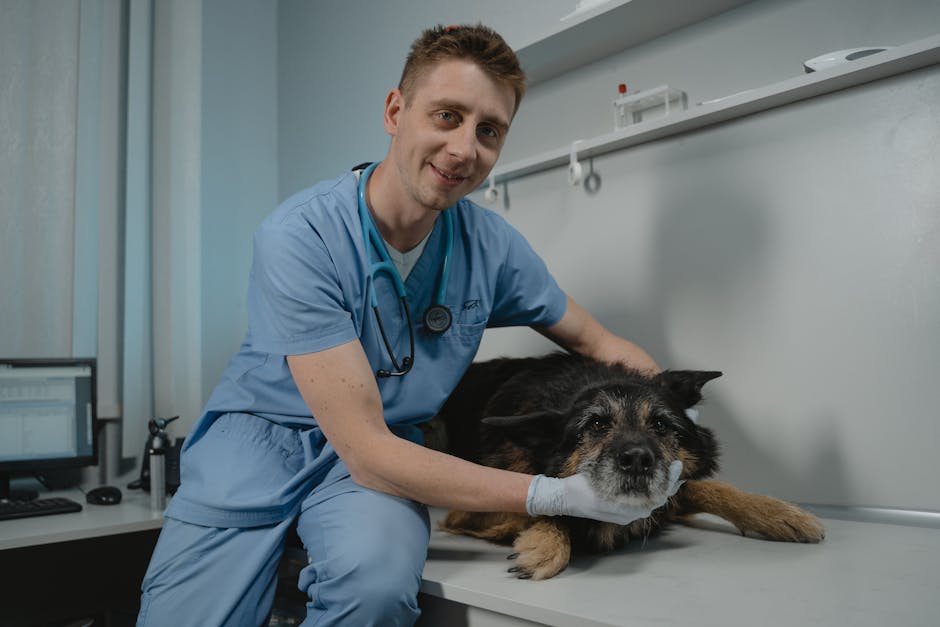
Ticks are more than just a nuisance; they are carriers of pathogens that cause Lyme disease, ehrlichiosis, anaplasmosis, and other tick-borne illnesses. According to the Companion Animal Parasite Council, the risk of tick exposure increases during warmer months and in wooded or grassy areas. A prompt check—ideally within 24 hours of outdoor time—can prevent disease transmission because ticks often need that long to feed and pass on infection. Furthermore, early detection allows for quick removal, reducing the chance of your dog developing symptoms such as fever, lameness, or lethargy. Additionally, regular checks help you monitor your dog’s skin health, catching other issues like lumps or irritations early.
2. What Supplies Do You Need for a Thorough Tick Check?
Before starting, gather the right tools to make the process efficient and comfortable for your dog. Having everything ready ensures you don’t have to pause mid-check. Here’s a list of recommended supplies:
- Fine-tipped tweezers or a tick removal tool (such as a tick twister or key)
- Gloves (latex or disposable) to protect your hands from pathogens
- Isopropyl alcohol for disinfecting the bite area and storing the tick
- A small container or bag to dispose of or preserve the tick for identification
- Antiseptic wipes or a mild soap solution
- A bright flashlight or headlamp to see into dark areas
- A comb or brush (optional) to part thick fur
Moreover, having a treat or reward handy can help keep your dog still and cooperative during the inspection.
3. How Should You Prepare Your Dog for a Tick Check?
Set the stage for a calm, stress-free experience. Choose a well-lit area where your dog feels safe—indoors is best. If your dog is anxious, start with gentle petting and reassurance. For larger or energetic dogs, having a second person can help keep them steady. Begin by running your hands slowly over your dog’s coat, feeling for any bumps or scabs. Ticks can feel like small, hard lumps. Use a comb for long-haired breeds to part the fur systematically. Remember to work methodically from head to tail, covering each section thoroughly before moving on. Additionally, speak in a soothing voice and offer treats as positive reinforcement.
4. How to Check the Head, Ears, and Neck for Ticks?
Start at the top because ticks often target warm, protected areas. Inspect the face first: examine around the eyes, mouth, and muzzle. Ticks can hide in the creases of the lips and under the chin. Next, focus on the ears—both inside and outside the flaps. Ticks love the dark, moist environment of the ear canal and the base. Lift the ear flap and look closely with a flashlight. Don’t forget the skin folds where the ear attaches to the head. Then move to the neck, especially under the collar and in the loose skin folds. Part the fur with your fingers and scan each inch. Use the bulleted steps below for a systematic check:
- Gently examine the area between the eyes and the nose
- Check both outer and inner ear flaps, including the ear canal opening
- Inspect the entire neck circumference, front and back
- Look under the collar if your dog wears one
5. How to Inspect the Body, Legs, and Paws for Ticks?
Proceed down the body section by section. Starting at the shoulders, use your fingertips to feel along the back, sides, and belly. Ticks often attach along the spine, ribcage, and in the armpits. For the belly, lift your dog gently if they are comfortable, or have them lie on their side. Check the groin area and between the hind legs carefully. Then examine the legs—both front and back—from the upper part down to the paws. Look between the toes, under the paw pads, and around the dewclaws. Ticks can wedge themselves in these tight spaces. Finally, inspect the tail, including the base and the underside. Don’t forget the perianal area (around the anus), as ticks may attach there.
6. What Should You Do If You Find a Tick on Your Dog?
If you discover a tick, remain calm. Prompt and correct removal is key to reducing disease risk. Follow these steps:
- Put on gloves to protect yourself from potential pathogens.
- Grasp the tick as close to your dog’s skin as possible with fine-tipped tweezers or a removal tool. Do not squeeze the body.
- Pull upward with steady, even pressure. Do not twist or jerk, as mouth parts may break off.
- After removal, clean the bite area with soap and water or antiseptic wipes.
- Place the tick in a container with rubbing alcohol to kill it. Save it for identification if your dog develops symptoms.
- Monitor the bite site for signs of infection or a red ring rash, which may indicate Lyme disease.
Furthermore, avoid traditional remedies like applying petroleum jelly, heat, or nail polish, as these can cause the tick to regurgitate and increase disease transmission.
7. How Can You Prevent Future Tick Infestations?
In addition to routine checks, preventive measures reduce the chances of ticks latching onto your dog. Consider using veterinarian-recommended tick preventatives such as topical treatments, collars, or oral medications. These products kill ticks before they can transmit diseases. Additionally, keep your yard tidy by mowing grass regularly, removing leaf litter, and creating a barrier with wood chips or gravel between wooded areas and play zones. After walks, brush your dog’s coat vigorously to dislodge any crawling ticks. Always perform a full check as described above, especially during peak tick season (spring through fall). Combining these strategies with consistent inspections provides the best protection for your pet.
Conclusion
Learning how to check your dog for ticks after outdoor activity is a simple yet vital skill for every pet owner. By following the step-by-step method outlined here—from gathering supplies to performing a thorough head-to-tail exam—you can catch ticks early and keep your furry friend healthy. Remember that prompt removal and regular prevention are your best defenses against tick-borne diseases. Incorporate this habit into your post-walk routine, and enjoy peace of mind knowing you’ve safeguarded your dog from these tiny threats.