

What Makes the Boxer Breed So Energetic?
Boxers are a medium-to-large breed renowned for their boundless energy and playful demeanor. Originally bred in Germany for hunting large game and later as working dogs, Boxers possess a high stamina that demands regular physical and mental stimulation. Their energy levels are often described as puppy-like well into adulthood, making them one of the most vivacious dog breeds around. If you're considering adding a Boxer to your family, understanding their energy requirements is crucial for a harmonious household.
Furthermore, Boxers have a muscular build and a natural athleticism that requires daily exercise. Without proper outlets, their energy can manifest as destructive behavior. However, with the right routine, they become loyal, affectionate companions. This Boxer dog breed guide will explore how energy levels impact family compatibility, helping you decide if this breed is right for you.
How Much Exercise Does a Boxer Need?
Boxers require at least 60 minutes of vigorous exercise daily. This can include brisk walks, runs, play sessions in a fenced yard, or engaging in canine sports like agility or obedience. Additionally, mental stimulation is equally important—puzzle toys, training games, and interactive play can tire them out just as much as physical activity. Without adequate exercise, Boxers may become hyperactive, bark excessively, or chew on furniture.
- Daily exercise: minimum 60 minutes of moderate to high intensity
- Mental enrichment: 15-30 minutes of training or puzzle games
- Ideal activities: fetch, tug-of-war, scent work, and agility courses
Are Boxers Good with Kids and Other Pets?
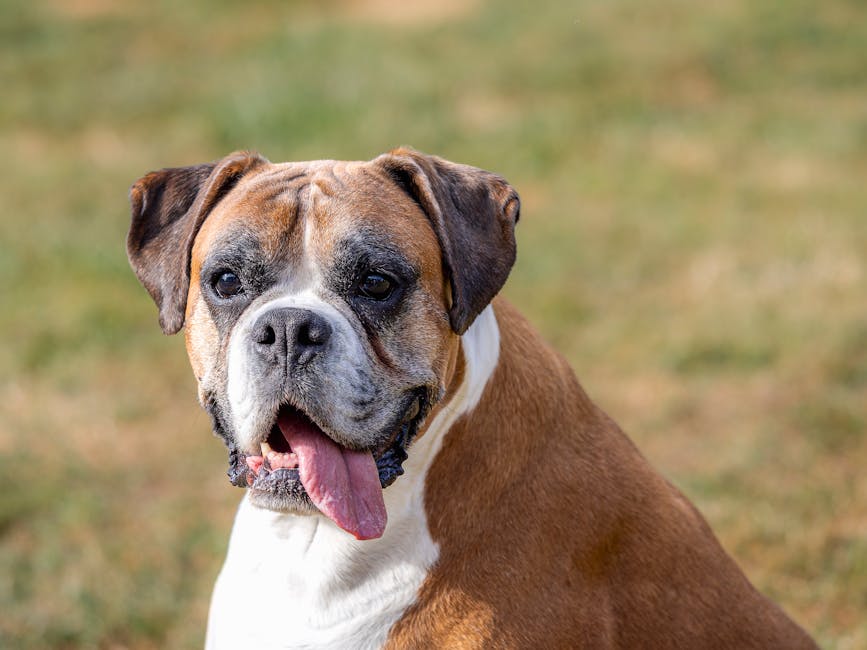
Boxers are famously known as "Peter Pan" dogs due to their lifelong puppy-like enthusiasm. Their patience and protective nature often make them excellent family dogs. However, their high energy can sometimes be overwhelming for very young children. Supervision is necessary to ensure that the dog’s playful jumps don't accidentally knock over a toddler. With older kids who understand how to interact with dogs, Boxers thrive as playmates and guardians.
Additionally, Boxers can get along well with other pets if properly socialized from an early age. Their hunting instincts may cause them to chase smaller animals like cats, but early exposure and training can mitigate this. Generally, Boxers prefer the company of their human family and can be territorial, so introductions should be gradual and positive.
What Is the Boxer's Temperament Around Strangers?
Boxers are naturally alert and will bark to announce visitors, but they are not typically aggressive. With proper socialization, they learn to distinguish between friend and threat. Their protective instinct makes them excellent watchdogs, but they tend to be friendly once they realize no danger exists. However, some Boxers may be reserved with strangers, so early and ongoing socialization is key.
How Do Boxer Energy Levels Affect Training?
Boxers are intelligent but can be stubborn, which can make training a challenge if their energy isn't channeled correctly. Positive reinforcement methods work best, as they respond well to treats, praise, and play. Consistency and short, engaging sessions (10-15 minutes) are more effective than long, boring drills. Because of their energy, incorporating physical activity into training—like asking them to sit before throwing a ball—can increase focus.
Furthermore, Boxers are sensitive dogs that do not respond well to harsh corrections. They thrive on bonding with their owner, so training should be a fun, collaborative experience. If you have an active lifestyle, you'll find that training a Boxer is immensely rewarding, as they are eager to please and quick to learn new commands.
What Health Issues Should Boxer Owners Expect?
Like many purebreds, Boxers are prone to certain health conditions. Being aware of these can help you manage their energy and lifespan. Common issues include:
| Health Issue | Description | Impact on Energy |
|---|---|---|
| Hip Dysplasia | Malformation of hip joint | May reduce stamina; require joint supplements |
| Cardiac Problems | Aortic stenosis, cardiomyopathy | Can limit exercise; require vet monitoring |
| Hypothyroidism | Underactive thyroid | Leads to lethargy and weight gain |
| Cancer | High incidence in Boxers | Variable; early detection crucial |
Regular vet check-ups, a nutritious diet, and appropriate exercise can help mitigate these risks. If you adopt a Boxer from a rescue, ask about their health history. Responsible breeders will screen for genetic conditions.
How to Match Boxer Energy with Your Family Lifestyle?
Before bringing a Boxer home, honestly assess your family's activity level. Boxers are not suited for couch potatoes or people who work long hours away from home. They need an environment where they can burn off steam and receive plenty of attention. Ideal families include:
- Active individuals or couples who enjoy jogging, hiking, or biking
- Families with older children (ages 8+) who can participate in dog care
- Homes with a securely fenced yard for off-leash play
- People who can commit to daily exercise and mental stimulation
Additionally, Boxers thrive on companionship and can suffer from separation anxiety if left alone too long. If your schedule keeps you away for more than 4-5 hours at a stretch, consider doggy daycare or a pet sitter.
What Are the Grooming Needs of a Boxer?
Boxers have a short, smooth coat that is easy to maintain. Weekly brushing with a rubber curry brush or hound glove removes loose hair and keeps their coat shiny. They shed moderately year-round, with heavier shedding in spring and fall. Bathing every 6-8 weeks is usually sufficient unless they get extra dirty. Their facial wrinkles require occasional cleaning to prevent skin infections.
Furthermore, nail trimming every 2-3 weeks and regular dental care (brushing several times a week) are important for overall health. Despite their short coat, Boxers are sensitive to extreme temperatures—they can overheat in hot weather and get cold in winter. Provide shade, water, and limited outdoor time in heat, and a sweater in cold climates.
How Long Do Boxers Typically Live?
The average lifespan of a Boxer is 10-12 years, though some may live longer with excellent care. Their energy levels typically remain high until around age 7 or 8, then gradually decline as they enter their senior years. Even in old age, they often retain a playful spirit. Senior Boxers may need joint supplements, a diet rich in omega-3 fatty acids, and adjusted exercise routines like shorter, more frequent walks.
Conclusion
Boxers are vibrant, loving dogs that bring immense joy to active families. Their high energy levels require commitment, but with proper exercise, training, and socialization, they become loyal and protective companions. This Boxer dog breed guide highlights that while they are not ideal for every household, families who match their zest for life will find an irreplaceable friend. If you can provide the time, space, and activity this breed needs, a Boxer will reward you with endless cuddles and play.