
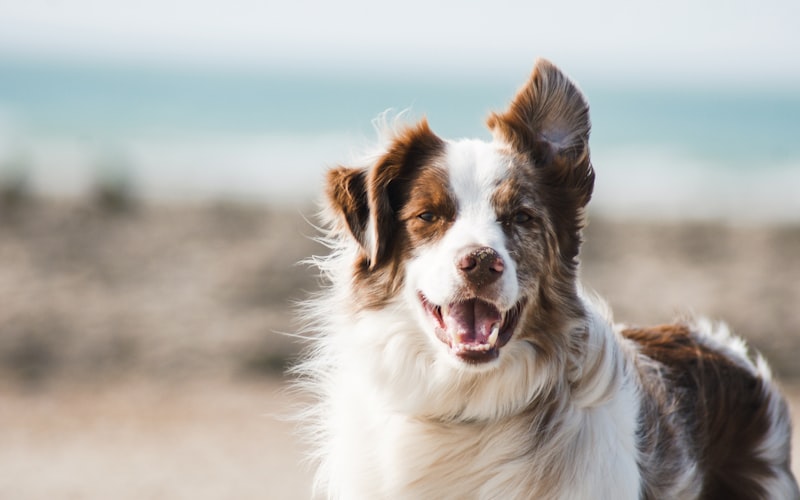
The Basset Hound possesses the second most powerful nose in the dog world — only the Bloodhound surpasses it. Those enormous ears sweep scent from the ground upward to the nose. Those droopy eyes trap moisture that catches scent particles. That low-slung body keeps the nose close to the ground. Every feature of the Basset is engineered for scent tracking, and the result is a dog that looks like it was assembled from spare parts by a committee that prioritized function over aesthetics — and somehow created one of the most charming dogs alive.
History
Developed in France ("bas" means "low") from larger French hound breeds selectively bred for shorter legs so hunters could follow on foot rather than horseback. Bassets were the hunting dog of the common man — slow enough to keep pace with a walking human while tracking rabbits and hare with devastating olfactory precision. AKC recognition came in 1935, but the breed's popularity surged in the 1960s thanks to the Hush Puppies shoe brand mascot.
Temperament
The Nose Rules Everything
Like the Beagle (but more extreme), the Basset's brain is organized around scent. When tracking, the Basset enters a state of olfactory focus that effectively blocks out auditory input. Your Basset isn't ignoring you — its brain is literally prioritizing scent over sound. Never trust a Basset off-leash in an unfenced area; a compelling scent trail overrides any recall training.
Stubbornness
Bassets are famously stubborn. Not unintelligent — they understand exactly what you want. They simply evaluate whether compliance serves their interests and frequently conclude it does not. Training requires patience, food motivation, and acceptance that the Basset will learn on its own schedule.
Gentle and Good-Natured
Bassets are among the most tolerant, gentle, and good-natured breeds. Excellent with children, other dogs, and cats. They lack aggression almost entirely. The pack-hunting heritage means they get along with virtually everyone.
The Howl
Bassets have a deep, resonant howl that carries impressive distances. They howl when bored, lonely, when they've found an interesting scent, or seemingly just because they can. Neighbors will be aware you own a Basset.
Health
The Long-Back Problem
Like Dachshunds, the Basset's elongated body predisposes it to IVDD (Intervertebral Disc Disease). Prevention: ramps for furniture, weight management (critical — obese Bassets dramatically increase disc stress), and supported lifting.
Other Concerns
- Ear infections: Those magnificent ears trap moisture and restrict airflow. Weekly cleaning is non-negotiable. Many Bassets deal with chronic ear issues throughout life.
- Obesity: Bassets are food-obsessed and gain weight easily. The #1 health management priority. An overweight Basset is a back problem waiting to happen.
- Bloat (GDV): Deep-chested breed. Gastropexy recommended.
- Glaucoma: Higher incidence than most breeds. Annual eye exams.
- Ectropion: Lower eyelids droop, exposing conjunctiva. May require surgery if causing chronic irritation.
- Thrombopathia: Platelet disorder. DNA test available.
- Lifespan: 10-12 years
Exercise & Grooming
- Exercise: 30-60 minutes daily. Moderate walks — Bassets are not athletes. Allow "sniff walks" where the dog sets the pace.
- Grooming: Short coat, minimal brushing. Focus on ear cleaning (weekly) and facial wrinkle cleaning.
- Drool: Moderate. Loose jowls produce drool, especially after drinking.
Frequently Asked Questions
Are Bassets lazy?
They appear lazy because they conserve energy between scent-tracking activities. On a trail, a Basset is tireless and determined. At home, they are champion sleepers. They need daily exercise but won't demand it the way a sporting breed does.
Can Bassets climb stairs?
They can but shouldn't — repeated stair use stresses the long back and short legs. Install baby gates and provide ground-floor living when possible.