
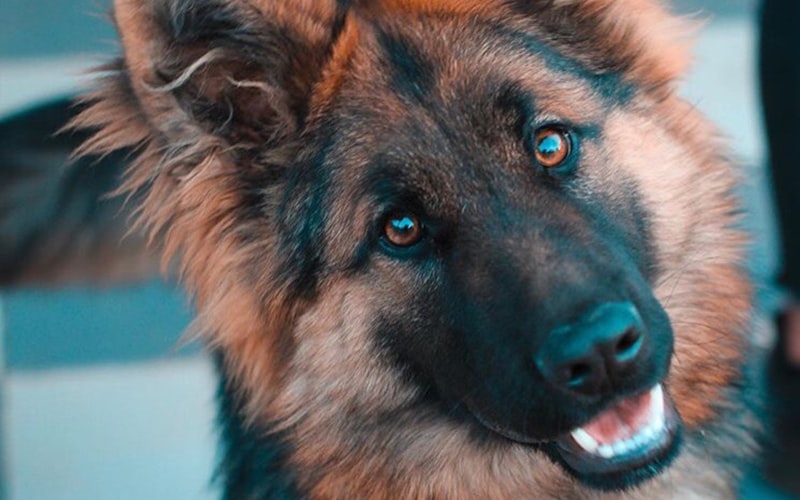
The Australian Cattle Dog — Blue Heeler, Red Heeler, or Queensland Heeler — was engineered in 19th-century Australia to herd wild, half-feral cattle across vast, unforgiving landscapes. Every trait — tireless energy, pain tolerance, fierce independence, tendency to nip — results from this extreme working heritage.
History
Developed by crossing native Dingoes with imported herding breeds (Collies, Dalmatians, Kelpies). Thomas Hall created the original "Hall's Heelers" in the 1840s. The Dingo cross gave the breed heat tolerance, stamina, and silent working style. Further refinement produced the modern ACD recognized by AKC in 1980. Bluey, an ACD, holds the Guinness record for oldest dog ever — 29 years and 5 months.
Temperament
Work Drive
ACDs don't want a job — they need one. Without structured work, they become destructive, neurotic, and difficult to live with. This is not a breed for passive owners.
Nipping and Herding
"Heeler" refers to the breed's method — nipping at cattle heels to move them. In homes, this means nipping at running children, visitors, joggers, and other pets. Training manages it; genetics prevent elimination.
One-Person Dog
ACDs bond fiercely with one person and may be suspicious or aloof with others. This creates an incredibly devoted partner but can cause issues in multi-person households if not socialized broadly.
Intelligence
Ranked #10 in Coren's intelligence study. Problem-solvers who learn routines, open gates, and outsmart containment. They need mental challenges as much as physical exercise.
Toughness
ACDs have remarkable pain tolerance — bred to take kicks from cattle and keep working. This means they often hide injuries and illness. Watch closely for subtle behavioral changes indicating pain.
Exercise Requirements
- Minimum: 90-120 minutes of vigorous daily exercise
- Ideal activities: Herding, agility, hiking, running, flyball, disc dog
- Mental work: 30-60 minutes daily — training, puzzles, nose work
- Under-exercise consequences: Destructive behavior, excessive nipping, neurotic habits, escape attempts
Health
- Progressive Retinal Atrophy: DNA test available (prcd-PRA)
- Deafness: Congenital deafness linked to white/blue coat. BAER testing recommended
- Hip dysplasia: OFA screening
- Elbow dysplasia
- Lens luxation: DNA test available
- Osteochondritis dissecans (OCD): Joint cartilage condition
- Lifespan: 12-16 years — among longest-lived medium breeds
Grooming
- Coat: Short, dense double coat. Weekly brushing, heavy shedding twice yearly.
- Low maintenance otherwise — occasional bath, nail trims.
Frequently Asked Questions
Blue Heeler vs. Red Heeler?
Same breed, different color. Blue Heelers have black hairs through a white base (appearing blue-gray). Red Heelers have red/brown hairs through white. No temperament or health differences.
Are ACDs good with children?
With older children who are calm and respectful — yes. The nipping instinct makes them problematic with toddlers and running children. Constant supervision and training required.
Are they good for first-time owners?
No. ACDs are among the most demanding breeds for pet owners. Their exercise needs, nipping behavior, and strong-willed nature overwhelm inexperienced handlers. Get experience with a less intense breed first.