
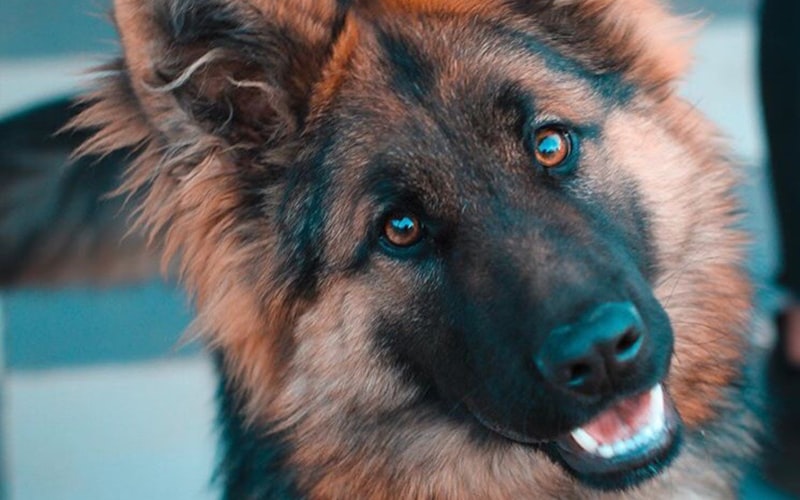
The Alaskan Malamute is the heavyweight of the sled dog world — where the Siberian Husky is the marathon runner, the Malamute is the powerlifter. Bred by the Mahlemut Inuit people to haul heavy freight across vast Arctic distances, the Malamute is built for strength, endurance, and survival in the harshest conditions on Earth. At 75-100+ pounds, with a thick double coat and a wolf-like appearance, the Malamute is a stunning animal that turns heads everywhere — and generates a trail of fur that will consume your home.
History
One of the oldest Arctic breeds, developed by the Mahlemut people of northwestern Alaska. These dogs hauled heavy loads between camps, hunted seals and polar bears, and served as pack animals. Unlike Huskies, which were bred for speed, Malamutes were bred for raw pulling power. They nearly went extinct during the Alaska Gold Rush when prospectors crossed them with other breeds. AKC recognized the breed in 1935.
Malamute vs. Husky
| Trait | Alaskan Malamute | Siberian Husky |
|---|---|---|
| Size | 23-25", 75-100+ lbs | 20-23.5", 35-60 lbs |
| Build | Heavy, powerful | Lighter, leaner |
| Eyes | Brown only (blue is a fault) | Blue, brown, or heterochromia |
| Ears | Set wide, rounded tips | Set high, pointed |
| Tail | Plume carried over back | Sickle or trailing |
| Energy | Moderate-high (calmer indoors) | Extremely high |
| Dog aggression | Same-sex aggression common | Generally dog-friendly |
Temperament
Friendly Giant
Malamutes are friendly with people — terrible guard dogs. They greet strangers with enthusiasm and rarely show human aggression. Their size is intimidating; their personality is not.
Dog Aggression
Same-sex aggression is a serious breed trait. Many Malamutes cannot coexist peacefully with dogs of the same sex. This develops as they mature and is not reliably trainable away.
Prey Drive
High. Like Huskies, Malamutes are dangerous to cats, small dogs, and wildlife. Their size makes them capable of causing serious harm.
Independence
Independent thinkers who evaluate commands before complying. More biddable than Huskies but still far from eager-to-please.
The Shedding
Malamute shedding makes Husky shedding look modest. The thick double coat blows twice yearly in a process that takes 2-3 weeks and produces enough fur to build a small dog. Daily brushing during blow, 2-3 times weekly otherwise. Invest in an undercoat rake and industrial vacuum.
Health
- Hip dysplasia: OFA screening essential
- Chondrodysplasia: Dwarfism gene. DNA test available.
- Hypothyroidism: Common
- Polyneuropathy: Inherited nerve disease. DNA test available.
- Day blindness (cone degeneration): DNA test available
- Bloat (GDV): Moderate risk. Gastropexy recommended.
- Lifespan: 10-14 years
Exercise
- Adults: 60-90 minutes daily. Hiking, weight pulling, carting, swimming.
- Heat sensitivity: Arctic breed — suffers in hot climates. Exercise in cool hours only.
- Never off-leash in unfenced areas — prey drive and independence make recall unreliable.
Frequently Asked Questions
Are Malamutes part wolf?
No. Despite wolf-like appearance, Malamutes are fully domesticated dogs. They are no more closely related to wolves than any other breed.
Can Malamutes live in warm climates?
They can survive but not thrive. Air conditioning is mandatory. Exercise must be limited to early morning and evening. The breed was engineered for -40°F, not +90°F.