
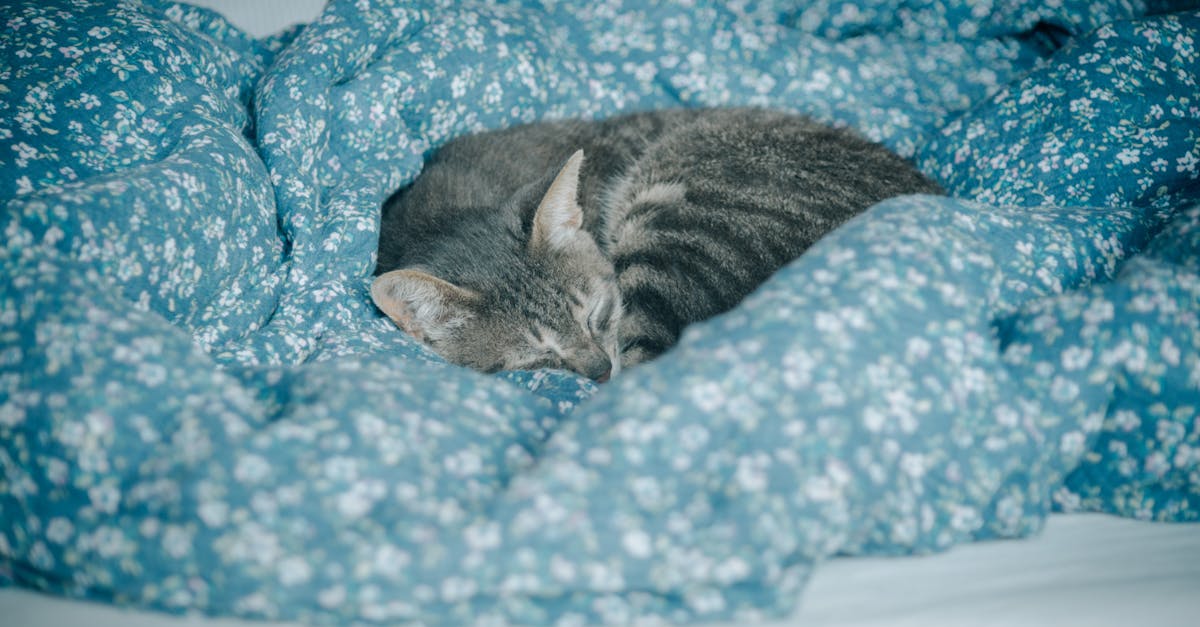
Cats sleep an average of 12-16 hours per day -- with some cats sleeping up to 20 hours. This makes them one of the sleepiest animals on Earth. But this is not laziness -- it is evolutionary engineering optimized for their role as ambush predators.
Why So Much Sleep?
- Energy conservation: Hunting requires explosive energy. Sleep conserves calories for short, intense bursts of activity.
- Predator biology: Cats are ambush predators -- they need brief periods of extreme alertness, not sustained activity.
- Efficient metabolism: Protein-based diet provides intense energy but requires rest for processing.
- Crepuscular nature: Cats are most active at dawn and dusk -- they sleep through the extremes of day and night.
Cat Sleep Phases
| Phase | Duration | Characteristics |
|---|---|---|
| Light sleep (catnap) | 15-30 minutes | Ears rotate toward sounds, eyes may be slightly open, ready to wake instantly |
| Deep sleep (SWS) | 5-7 minutes per cycle | Complete relaxation, harder to wake, essential for body repair |
| REM sleep | 2-3 minutes per cycle | Twitching whiskers, paws, eyes moving -- the cat is dreaming |
What Sleeping Positions Mean
- Curled in a ball: Conserving warmth, protecting vital organs -- comfortable but ready to react
- Belly up: Maximum trust and security. Cat feels completely safe in this environment.
- Loaf (paws tucked under): Resting but alert. Not in deep sleep. Ready to move quickly.
- Side sleeping (fully stretched): Deep, comfortable sleep. Cat feels very safe.
- Face buried/paw over eyes: "Do not disturb" -- blocking light for deeper sleep
- On top of you: Warmth + security + bonding. You are their safe space.
Factors Affecting Sleep
- Age: Kittens and seniors sleep more (up to 20 hours)
- Weather: Cats sleep more on rainy, cold, or overcast days
- Activity level: Indoor cats with no enrichment sleep excessively out of boredom
- Health: Illness increases sleep. Pain disrupts sleep quality.
- Season: Some cats sleep more in winter (less daylight)
When to Worry About Sleep
- Sudden increase in sleep duration with decreased activity
- Difficulty waking the cat or unusual lethargy when awake
- Sleep combined with appetite loss, weight change, or behavioral changes
- Restless sleep with frequent position changes (pain indicator)
- Sleeping in unusual locations (cats hide when sick)
Frequently Asked Questions
Do cats dream?
Yes. Cats experience REM (Rapid Eye Movement) sleep, which is the dreaming phase in all mammals. During REM, you may notice twitching whiskers, moving paws (running in their dream?), ear movements, and rapid eye movements under closed lids. Research suggests cats dream about their waking experiences -- hunting, exploring, interacting. A 1960s study removing the mechanism that paralyzes muscles during REM showed cats acting out hunting and stalking behaviors while asleep -- confirming they dream about predatory activities.