
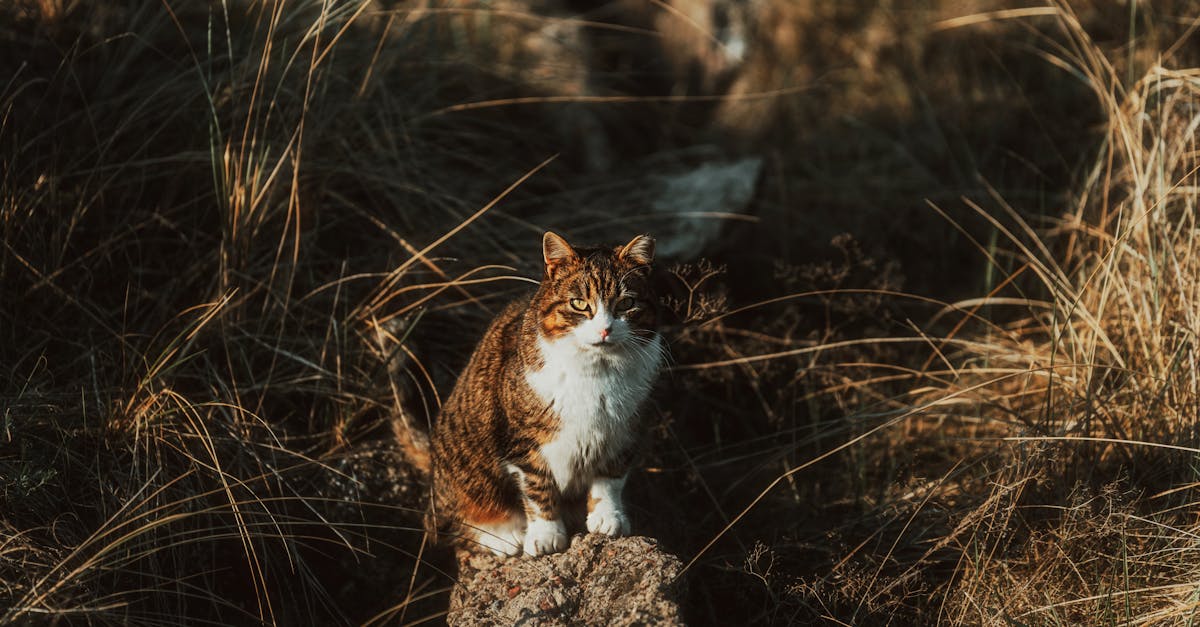
Cats are obligate carnivores -- they require meat to survive. Yet many cats actively seek out and eat grass. This contradictory behavior has puzzled scientists for decades. Recent research suggests the answers are more interesting than the old "to induce vomiting" explanation.
Table of Contents
Theories for Grass Eating
1. Parasite Purging (Most Supported Theory)
- A 2019 study (University of California Davis) surveyed 1,000+ cat owners
- Found: most grass-eating cats do NOT vomit afterward (only 25% do)
- Theory: grass eating is an innate behavior inherited from wild ancestors to purge intestinal parasites
- Plant fiber increases intestinal muscle activity, helping expel worms
- Modern indoor cats have no parasites to purge -- but the instinct persists
2. Fiber Supplementation
- Grass provides fiber that meat-only diets lack
- May aid digestion and promote regular bowel movements
- Some cats with GI issues seek grass more frequently
3. Folic Acid
- Grass juice contains folic acid (vitamin B9)
- Essential for oxygen transport in blood
- Cats may instinctively seek this nutrient
4. Nausea Relief (Less Supported)
- The traditional "cats eat grass to vomit" theory
- May apply to SOME cats who are already feeling nauseous
- But research shows most cats eating grass are NOT sick and do NOT vomit
Providing Safe Grass
- Cat grass kits: Wheat grass, oat grass, barley grass -- all safe
- Easy to grow: Sprout in 5-7 days on a windowsill
- Replaces outdoor grass: Indoor cats with cat grass are less likely to eat houseplants
- Safe and non-toxic: Unlike many houseplants
When Grass Eating Is Concerning
- Eating large amounts daily (possible nutritional deficiency or GI issue)
- Always vomiting after eating grass (possible underlying nausea from other cause)
- Eating outdoor grass treated with pesticides, herbicides, or fertilizer (toxic)
- Eating non-grass plants (many houseplants are toxic -- lilies especially)
Frequently Asked Questions
Should I let my cat eat grass?
Yes -- as long as it is safe grass (untreated, pesticide-free, or purpose-grown cat grass). Growing cat grass indoors provides a safe outlet for this natural instinct and may prevent the cat from chewing on potentially toxic houseplants. Cat grass kits are inexpensive, grow quickly, and most cats enjoy them. If your indoor cat shows strong interest in eating plants, providing cat grass is a simple, safe enrichment addition.