
1. Is Your Cat Hiding More Than Usual?
One of the earliest and most telling signs your cat is sick and hiding pain is a sudden increase in hiding behavior. Cats are naturally inclined to conceal illness as a survival instinct, but when your once-social feline retreats to closets, under beds, or behind furniture for extended periods, it's a red flag. If your cat avoids interaction and stays hidden even when you call, it may be experiencing discomfort or pain.
Furthermore, look for changes in hiding spots: a cat that normally hides high might seek low, enclosed spaces, or vice versa. Additionally, a sick cat may not come out for meals or treats, which is unusual. Consider these changes as early warning signs that require veterinary attention.
- Hiding in unusual places (e.g., inside a closet, under a sofa)
- Staying hidden for more than 6-8 hours at a time
- Refusing to come out for food, water, or play
2. Is Your Cat Grooming Less or Overgrooming?
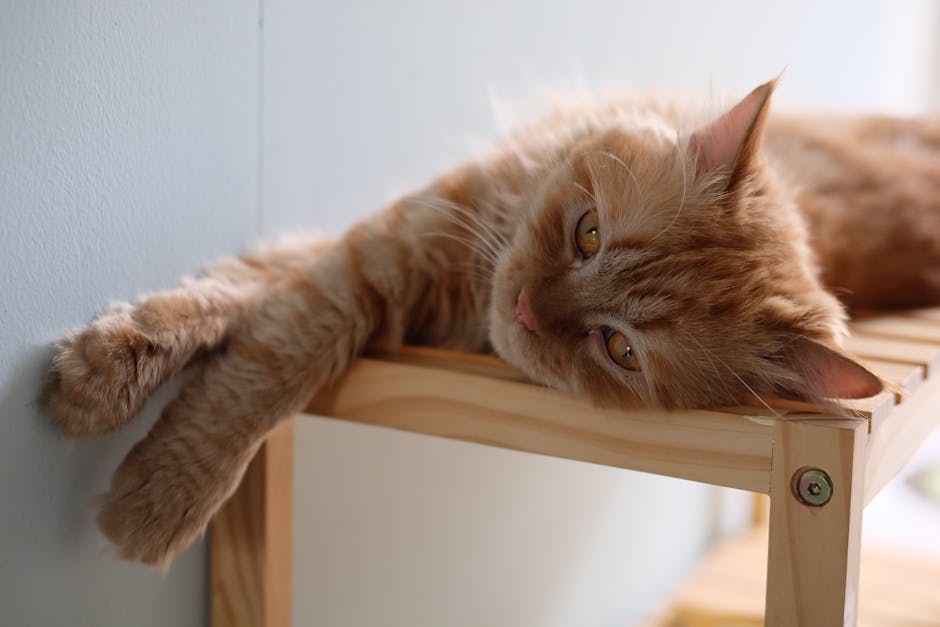
Changes in grooming habits are another crucial sign your cat is sick and hiding pain. While a healthy cat spends a significant part of the day grooming, pain can make grooming difficult or painful. You may notice a dull, matted coat, especially around the back or hindquarters. Conversely, some cats overgroom a painful area, leading to bald patches or skin irritation.
However, also watch for stopped grooming altogether – a sick cat may become too weak or achy to maintain its coat. This is often accompanied by a greasy appearance or dander. To determine the cause, run your hand along your cat's back; if it feels rough or sticky, it may be time to consult your vet.
3. Is Your Cat Eating or Drinking Differently?
Changes in appetite and thirst are classic signs your cat is sick and hiding pain. A cat that suddenly stops eating or drinks excessively could be suffering from dental pain, kidney disease, diabetes, or other internal issues. Conversely, some cats may eat more but lose weight (hyperthyroidism).
Additionally, note the way your cat eats: does it drop food, chew on one side, or cry while eating? These behaviors suggest oral pain. Furthermore, if your cat drinks from unusual sources (e.g., bathroom sink) or consumes more water than usual, it may indicate underlying illness. Keep track of daily intake and report changes to your veterinarian.
- Loss of appetite for more than 24 hours
- Increased thirst (polydipsia) – often linked to kidney or thyroid issues
- Difficulty chewing or swallowing
4. Is Your Cat Urinating or Defecating Outside the Litter Box?
Inappropriate elimination is a common sign your cat is sick and hiding pain. A cat that suddenly avoids the litter box may associate it with pain (e.g., from arthritis or urinary tract infection). However, it could also indicate cognitive decline or stress. Look for changes in urine volume, frequency, or color (blood). Additionally, strain during urination or defecation is a medical emergency.
Furthermore, if your cat cries out while using the box, it's experiencing significant discomfort. Observe the number of trips to the box: frequent small amounts can signal cystitis or blockage. According to veterinary experts, any change in litter box habits lasting more than 24–48 hours warrants a vet visit promptly.
5. Is Your Cat Vocalizing More or Less?
Increased or decreased vocalization can be subtle signs your cat is sick and hiding pain. A cat in pain may become more vocal – meowing, yowling, or growling – especially when touched or moving. Conversely, some cats become unusually quiet, hiding their distress. Cats are masters of masking pain, so any change in their usual voice pattern is significant.
Additionally, note the tone and context. A low-pitched, persistent meow may indicate severe pain, while a high-pitched cry suggests acute distress. If your cat suddenly starts meowing for no apparent reason at night, it could be a sign of cognitive dysfunction or vision loss. Always trust your gut – if the vocalization seems out of character, seek veterinary advice.
6. Is Your Cat Showing Changes in Posture or Movement?
Physical posture changes are unmistakable signs your cat is sick and hiding pain. A cat in pain often adopts a “praying” position (front legs down, rear up) to relieve abdominal discomfort. Also look for a hunched back, tucked tail, or stiff legs. Reluctance to jump, climb stairs, or play indicates joint or muscle pain. Furthermore, a cat may limp or shift weight off a painful limb.
Additionally, observe how your cat rests: does it sleep in a curled-up ball to conserve heat and protect its abdomen? Does it avoid lying on one side? These postural clues can pinpoint the pain source. Use a checklist to note any limping, stiffness, or abnormal walking pattern, and share this with your vet.
7. Is Your Cat Breathing Faster or Noisily?
Respiratory changes can be critical signs your cat is sick and hiding pain. Normal resting respiration for a cat is 20–30 breaths per minute. If you count higher than 40, or if your cat breathes with its mouth open, wheezes, or pants (especially when not hot or stressed), it may indicate pain, heart disease, or lung issues. Additionally, a cat in pain may breathe shallowly to minimize chest movement.
Furthermore, listen for coughing or sneezing. A cat that sits in a “head-pressing” position (forehead against a wall) while breathing oddly may have a neurological issue. Always measure resting respiratory rate while your cat is calm, and consult your vet if you notice any sustained abnormality.
8. Is Your Cat Showing Aggression or Irritability?
Behavioral changes like sudden aggression are often overlooked signs your cat is sick and hiding pain. A normally gentle cat that hisses, growls, or swats when touched may be protecting a painful area. Similarly, a cat that avoids being held or suddenly bites during petting could be experiencing discomfort. Pain lowers a cat's threshold for irritation.
Moreover, a sick cat may become irritable with other pets or family members. For example, it might guard its food bowl or hide from children. Never punish a cat for this behavior; instead, consider it a cry for help. Note when the aggression occurs (e.g., when touching a specific body part) and inform your veterinarian.
9. Is Your Cat Sleeping More or Displaying Lethargy?
Increased sleep duration is a classic but easily dismissed sign your cat is sick and hiding pain. While cats sleep 12–16 hours daily, a sick cat may sleep significantly more and be difficult to wake. Lethargy means your cat shows less interest in toys, treats, or human interaction. Additionally, a cat in pain may appear “depressed” or withdrawn.
Furthermore, observe the quality of sleep: does your cat twitch, cry, or change positions frequently? Restless sleep can indicate discomfort. A simple way to check is to offer a favorite treat; if your cat ignores it, there may be an underlying issue. Continuous lethargy for more than 24 hours warrants a veterinary check.
10. Is Your Cat Vomiting or Having Diarrhea?
Digestive upset is a common yet serious sign your cat is sick and hiding pain. Occasional hairballs may be normal, but frequent vomiting (more than once a week), diarrhea, or constipation can signal pain from pancreatitis, inflammatory bowel disease, or obstructions. Additionally, a cat that vomits immediately after eating may have dental or esophageal pain.
Moreover, look for signs of nausea like drooling, lip smacking, or eating grass. Diarrhea with blood or mucus is especially concerning. Keep a log of vomiting/diarrhea episodes, including color, consistency, and frequency. For any episode lasting longer than 24–48 hours, or if your cat shows signs of dehydration (sunken eyes, skin tenting), seek immediate veterinary care.
Conclusion
Recognizing the signs your cat is sick and hiding pain is essential for early intervention and better health outcomes. Cats are masters of disguise, so any deviation from normal behavior – whether it's hiding, changes in appetite, or altered vocalization – should be taken seriously. If you observe one or more of these signs, schedule a veterinary appointment promptly. Your cat depends on you to notice the subtle clues that something is wrong.
Remember: trusting your instincts and acting quickly can make a life-saving difference. Combine your observations with a thorough vet exam to uncover hidden pain and treat it effectively. Your cat's well-being is worth the extra attention.