

Cat Health

How to Care for a Cat After Surgery Recovery Tips

How to Care for a Cat After Surgery Recovery Tips

Bringing your feline friend home after a procedure can be stressful, but with the right cat after surgery recovery tips, you can ensure a smooth healing process. Whether your cat had a spay, neuter, or more complex surgery, following a structured recovery plan is crucial. This step-by-step guide covers everything from creating a safe environment to recognizing warning signs, helping your cat bounce back comfortably.
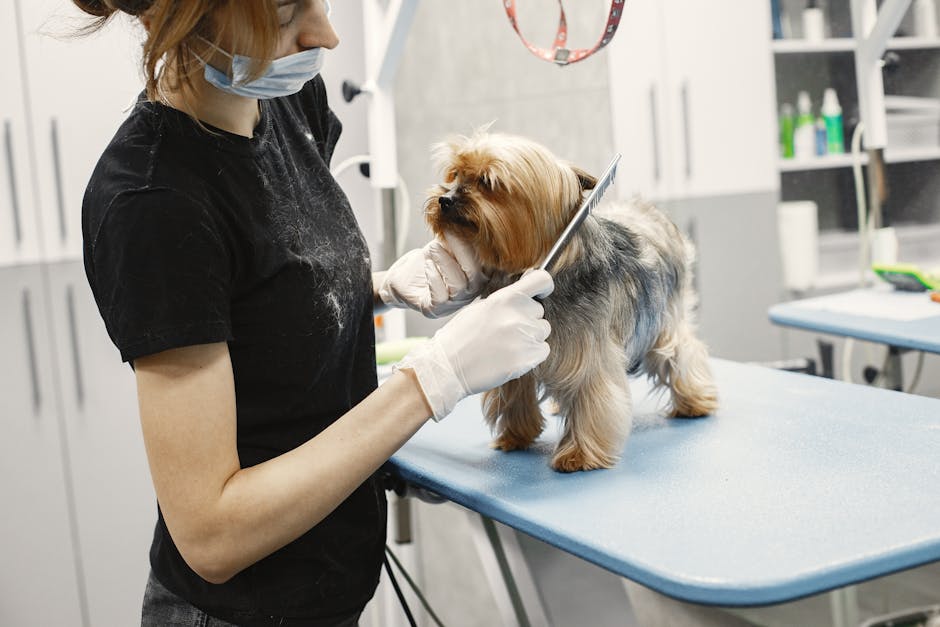
What Should You Do Immediately After Your Cat's Surgery?

What Should You Do Immediately After Your Cat's Surgery?

When you first bring your cat home, the post-operative period requires careful attention. Your vet will provide specific discharge instructions, but generally, you need to limit activity and prevent licking at the incision site. Start by confining your cat to a small, quiet room with no high furniture to jump on. Place soft bedding on the floor and ensure fresh water is available. However, do not offer food until the vet advises—usually a few hours after returning to avoid nausea. Monitor breathing and alertness: your cat should be waking from anesthesia calmly. If they seem excessively drowsy or unresponsive, contact your vet immediately.

How Can You Create a Safe Recovery Space for Your Cat?

How Can You Create a Safe Recovery Space for Your Cat?

A designated recovery area minimizes stress and prevents injury. Choose a warm, draft-free room like a bathroom or spare bedroom. Remove items that encourage climbing or running, such as cat trees or toys. Furthermore, use low-sided boxes or a pet recovery crate if your cat is active. Place food, water, and a litter box within a few feet of each other so your cat doesn't have to travel far. Keep the space quiet—reduce noise from TVs or household traffic. Consider using a pheromone diffuser to promote calmness. Here is a checklist for the ideal recovery setup:

  • Soft, washable bedding (avoid high piles that might irritate the incision)
  • Low-sided litter box (easier entry and exit)
  • Non-slip food and water bowls placed on the floor
  • Quiet environment with dim lighting
  • Access to a heating pad on low setting (only under supervision)

What Are the Best Practices for Feeding a Cat After Surgery?

Nutrition plays a key role in healing. Start with a light meal as recommended by your vet—often a small portion of their usual food mixed with a little water to soften it. Additionally, feeding smaller, more frequent meals can help prevent digestive upset. Some cats lose appetite due to pain or anesthesia; in that case, offer highly palatable options like wet food or meat-based baby food (no onion or garlic). Ensure fresh water is always available, but monitor intake—dehydration can delay recovery. If your cat refuses food for more than 24 hours, consult your vet for appetite stimulants or a different diet plan. Avoid treats until your cat is fully eating normally.

How Should You Manage Your Cat's Pain and Medications?

Pain management is essential for comfort and faster healing. Your vet will likely send home pain medications, antibiotics, or anti-inflammatories. Administer these exactly as prescribed—do not skip doses or give over-the-counter human drugs, as they can be toxic. Use a pill pocket or mix the medication into a small amount of wet food if your cat is a picky eater. Moreover, never crush or dissolve pills unless instructed. Keep a medication log with times and dosages. For non-medical comfort, use a warm compress near (not on) the incision to soothe sore muscles. If you notice signs of pain like hiding, hissing, or reduced grooming, contact your vet.

When Should You Monitor for Signs of Complications?

Watching for complications is a critical part of post-surgery care. However, not all symptoms are cause for alarm; mild bruising and slight swelling are normal. You should contact your vet if you observe any of the following:

  • Redness, discharge, or a gaping incision
  • Lethargy that worsens after 24 hours
  • Vomiting or diarrhea lasting more than 12 hours
  • Difficulty urinating or defecating
  • Fever (ear temperature above 102.5°F / 39°C)

Check the incision site twice daily. Use an Elizabethan collar or recovery suit to prevent licking—many cats tolerate a soft cone better than plastic ones. Keep the area clean and dry. If you see excessive chewing at the sutures, the wound may become infected, requiring a vet visit.

How Can You Help Your Cat Stay Calm and Comfortable During Recovery?

Stress slows healing, so keeping your cat relaxed is vital. Spend quiet time in the same room—read aloud or speak softly to reassure them. Gentle petting (avoiding the incision area) can lower stress. Play soft classical music or use a white noise machine to drown out sudden noises. Furthermore, maintain a consistent routine for feeding and medication times. Do not allow other pets near the recovery space to prevent conflict or excitement. If your cat seems restless, provide a toy that doesn’t require movement, like a puzzle feeder. The goal is to keep them occupied without physical exertion.

What Follow-Up Care Does Your Cat Need After Surgery?

Most surgeries require a post-operative check-up within 7–14 days. Your vet will remove sutures (if non-dissolvable) and assess wound healing. Follow any instructions for bathing or activity restrictions. Additionally, discuss when your cat can resume normal exercise, such as jumping or running. If your cat had a spay or neuter, keep them indoors for the full recovery period (usually 10–14 days). Watch for late complications like seroma (fluid pocket) which often resolves on its own. Always keep your vet's emergency number handy. Remember, a thorough recovery now prevents future health issues.

Conclusion

Caring for a cat after surgery requires patience, vigilance, and a calm environment. By following these cat after surgery recovery tips—from setting up a safe space to monitoring complications—you can help your feline friend heal quickly and comfortably. Always consult your veterinarian with any concerns, and trust your instincts as a pet owner. A little extra care goes a long way toward a full recovery.

Share: Facebook Twitter Pinterest

SWT Pal Pet

Pet Care Expert

Expert in pet care with years of experience helping pet owners make informed decisions about their furry friends.

← Previous How to Help a Cat with Hairball Problems Next → Signs Your Cat Is Sick and Hiding Pain You Must Know
We use cookie to improve your online experience. By continuing to browse this website, you agree to our use of cookie.

Cookies

Please read our Terms and Conditions and this Policy before accessing or using our Services. If you cannot agree with this Policy or the Terms and Conditions, please do not access or use our Services. If you are located in a jurisdiction outside the European Economic Area, by using our Services, you accept the Terms and Conditions and accept our privacy practices described in this Policy.
We may modify this Policy at any time, without prior notice, and changes may apply to any Personal Information we already hold about you, as well as any new Personal Information collected after the Policy is modified. If we make changes, we will notify you by revising the date at the top of this Policy. We will provide you with advanced notice if we make any material changes to how we collect, use or disclose your Personal Information that impact your rights under this Policy. If you are located in a jurisdiction other than the European Economic Area, the United Kingdom or Switzerland (collectively “European Countries”), your continued access or use of our Services after receiving the notice of changes, constitutes your acknowledgement that you accept the updated Policy. In addition, we may provide you with real time disclosures or additional information about the Personal Information handling practices of specific parts of our Services. Such notices may supplement this Policy or provide you with additional choices about how we process your Personal Information.


Cookies

Cookies are small text files stored on your device when you access most Websites on the internet or open certain emails. Among other things, Cookies allow a Website to recognize your device and remember if you've been to the Website before. Examples of information collected by Cookies include your browser type and the address of the Website from which you arrived at our Website as well as IP address and clickstream behavior (that is the pages you view and the links you click).We use the term cookie to refer to Cookies and technologies that perform a similar function to Cookies (e.g., tags, pixels, web beacons, etc.). Cookies can be read by the originating Website on each subsequent visit and by any other Website that recognizes the cookie. The Website uses Cookies in order to make the Website easier to use, to support a better user experience, including the provision of information and functionality to you, as well as to provide us with information about how the Website is used so that we can make sure it is as up to date, relevant, and error free as we can. Cookies on the Website We use Cookies to personalize your experience when you visit the Site, uniquely identify your computer for security purposes, and enable us and our third-party service providers to serve ads on our behalf across the internet.

We classify Cookies in the following categories:
 â—  Strictly Necessary Cookies
 â—  Performance Cookies
 â—  Functional Cookies
 â—  Targeting Cookies


Cookie List
A cookie is a small piece of data (text file) that a website – when visited by a user – asks your browser to store on your device in order to remember information about you, such as your language preference or login information. Those cookies are set by us and called first-party cookies. We also use third-party cookies – which are cookies from a domain different than the domain of the website you are visiting – for our advertising and marketing efforts. More specifically, we use cookies and other tracking technologies for the following purposes:

Strictly Necessary Cookies
These cookies are necessary for the website to function and cannot be switched off in our systems. They are usually only set in response to actions made by you which amount to a request for services, such as setting your privacy preferences, logging in or filling in forms. You can set your browser to block or alert you about these cookies, but some parts of the site will not then work. These cookies do not store any personally identifiable information.

Functional Cookies
These cookies enable the website to provide enhanced functionality and personalisation. They may be set by us or by third party providers whose services we have added to our pages. If you do not allow these cookies then some or all of these services may not function properly.

Performance Cookies
These cookies allow us to count visits and traffic sources so we can measure and improve the performance of our site. They help us to know which pages are the most and least popular and see how visitors move around the site. All information these cookies collect is aggregated and therefore anonymous. If you do not allow these cookies we will not know when you have visited our site, and will not be able to monitor its performance.

Targeting Cookies
These cookies may be set through our site by our advertising partners. They may be used by those companies to build a profile of your interests and show you relevant adverts on other sites. They do not store directly personal information, but are based on uniquely identifying your browser and internet device. If you do not allow these cookies, you will experience less targeted advertising.

How To Turn Off Cookies
You can choose to restrict or block Cookies through your browser settings at any time. Please note that certain Cookies may be set as soon as you visit the Website, but you can remove them using your browser settings. However, please be aware that restricting or blocking Cookies set on the Website may impact the functionality or performance of the Website or prevent you from using certain services provided through the Website. It will also affect our ability to update the Website to cater for user preferences and improve performance. Cookies within Mobile Applications

We only use Strictly Necessary Cookies on our mobile applications. These Cookies are critical to the functionality of our applications, so if you block or delete these Cookies you may not be able to use the application. These Cookies are not shared with any other application on your mobile device. We never use the Cookies from the mobile application to store personal information about you.

If you have questions or concerns regarding any information in this Privacy Policy, please contact us by email at . You can also contact us via our customer service at our Site.