
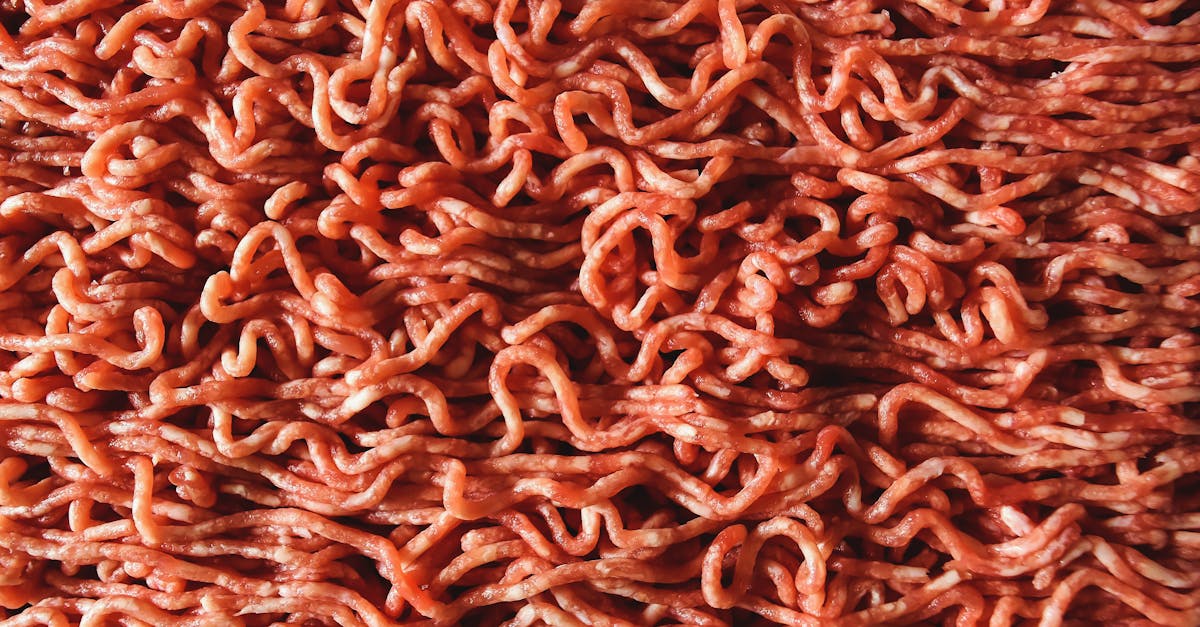
Raw feeding for cats is one of the most debated topics in feline nutrition. Proponents argue it mirrors a cat's natural diet; critics warn of bacterial contamination and nutritional imbalance. The truth, as usual, lies in the nuances. Here is an evidence-based guide to raw cat food.
Table of Contents
What is Raw Cat Food?
- Commercial raw: Pre-made frozen or freeze-dried raw diets (safest option)
- Homemade raw: DIY raw diets following specific recipes (requires precision)
- BARF model: Biologically Appropriate Raw Food -- 80% muscle meat, 10% bone, 10% organ
- Prey model: Mimics whole prey -- muscle, bone, organ in natural ratios
Potential Benefits
- Improved coat: Many owners report shinier, softer fur within weeks
- Better digestion: Smaller, less odorous stools
- Dental health: Raw bones provide natural teeth cleaning
- Weight management: High protein, low carb naturally regulates weight
- Increased energy: Many owners report more playful, alert cats
- Hydration: Raw food is 65-75% moisture
The Risks (Be Honest)
- Bacterial contamination: Salmonella, E. coli, Listeria -- risk to cats AND humans
- Nutritional imbalance: Homemade diets without proper supplementation cause deficiencies
- Bone hazards: Cooked bones splinter dangerously (raw bones are generally safe but supervision needed)
- Cost: Significantly more expensive than commercial food
- Inconvenience: Requires freezer space, thawing time, careful handling
- Immunocompromised households: Higher risk for pregnant women, elderly, young children
Essential Nutrients in Raw Diets
| Nutrient | Source | Deficiency Risk |
|---|---|---|
| Taurine | Heart, dark meat | Blindness, heart failure (fatal) |
| Calcium | Raw bone, eggshell | Metabolic bone disease |
| Vitamin A | Liver | Vision loss, immune dysfunction |
| Vitamin E | Supplement needed | Muscle wasting, reproductive issues |
| Omega-3 | Fish oil, fish | Inflammation, poor coat |
| Iodine | Kelp supplement | Thyroid dysfunction |
How to Start Safely
- Start with commercial raw: Brands like Stella & Chewy's, Primal, or Instinct are pre-balanced
- Transition slowly: Mix 25% raw with 75% current food, increase over 2-3 weeks
- If going homemade: Consult a veterinary nutritionist. Use BalanceIT.com or follow recipes from a board-certified veterinary nutritionist (DACVN).
- Handle safely: Treat raw cat food like raw chicken for humans -- clean surfaces, wash hands
- Monitor health: Regular vet checkups, blood work at 3 and 6 months after starting
Frequently Asked Questions
Do veterinarians recommend raw diets?
Most mainstream veterinary organizations (AVMA, AAHA) advise AGAINST raw diets due to bacterial contamination risks. However, some integrative and holistic veterinarians support properly formulated raw diets. The divide is genuine and ongoing. If you choose raw: use commercial pre-balanced products or work with a veterinary nutritionist for homemade. Never wing it with recipes from random websites.