
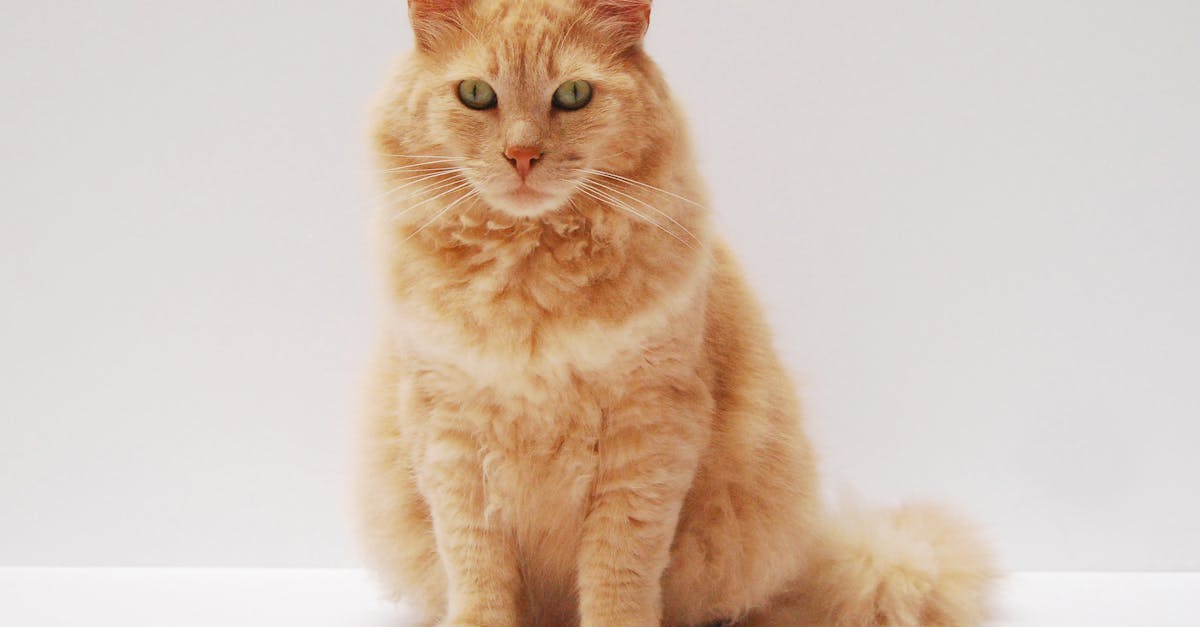
A cat's coat is a mirror of their overall health -- dull, flaky, or thinning fur is one of the earliest visible signs that something is wrong nutritionally or medically. The right diet can transform a rough coat into a sleek, glossy masterpiece within 4-6 weeks.
Table of Contents
Key Nutrients for Skin and Coat
| Nutrient | Function | Best Source |
|---|---|---|
| Omega-3 (EPA/DHA) | Reduces inflammation, improves shine | Fish oil, salmon, sardines |
| Omega-6 (linoleic acid) | Skin barrier function, prevents dryness | Chicken fat, sunflower oil |
| Protein (high quality) | Fur is 95% protein (keratin) | Named animal meats |
| Zinc | Skin cell turnover, wound healing | Meat, fish, eggs |
| Biotin (B7) | Keratin production | Liver, eggs (cooked) |
| Vitamin A | Skin cell production and repair | Liver, fish oil |
| Vitamin E | Antioxidant protection for skin | Supplemented in quality foods |
Foods That Improve Coat Quality
| Brand | Key Feature |
|---|---|
| Purina Pro Plan Sensitive Skin & Stomach | Salmon first ingredient, added omega fatty acids |
| Hill's Science Diet Sensitive Skin | Omega-6 and vitamin E complex |
| Royal Canin Hair & Skin Care | Targeted fatty acid ratio, high protein |
| Wellness CORE | High protein, omega-rich, no fillers |
| Any high-quality fish-based wet food | Natural omega-3 from fish |
Signs of Nutritional Coat Problems
- Dull, dry coat: Often insufficient fatty acids or low-quality protein
- Excessive shedding: Can indicate poor nutrition or dehydration
- Dandruff/flaking: Omega deficiency, dehydration, or skin condition
- Thinning fur: Protein deficiency, thyroid issues, or allergies
- Greasy coat: Can indicate liver issues or sebaceous gland problems
- Matting: May indicate pain (cat not grooming), obesity, or illness
Quick Coat Improvement Plan
- Switch to high-protein wet food with named fish or meat first ingredient
- Add fish oil supplement (300mg EPA+DHA daily for average cat)
- Ensure adequate hydration (water fountain, multiple water sources)
- Expect visible improvement in 4-6 weeks (hair growth cycle)
- If no improvement: vet visit to rule out allergies, thyroid, or other medical causes
Frequently Asked Questions
Will adding an egg to my cat's food improve their coat?
A cooked egg (not raw) added 2-3 times per week can help. Eggs provide high-quality protein, biotin, and fatty acids -- all coat-supportive nutrients. One hard-boiled egg has about 70 calories, so give only a small portion (1/4 egg) to avoid excess calories. Raw egg whites contain avidin, which blocks biotin absorption -- always cook eggs before feeding.