

Are you considering Orijen cat food but wondering if it's worth the premium cost? With its high price tag and reputation as a biologically appropriate diet, many cat owners question whether this brand delivers on its promises. In this detailed Orijen cat food review, we break down ingredients, nutritional value, and real-world performance to help you decide if the investment is justified.
What Makes Orijen Cat Food Premium?
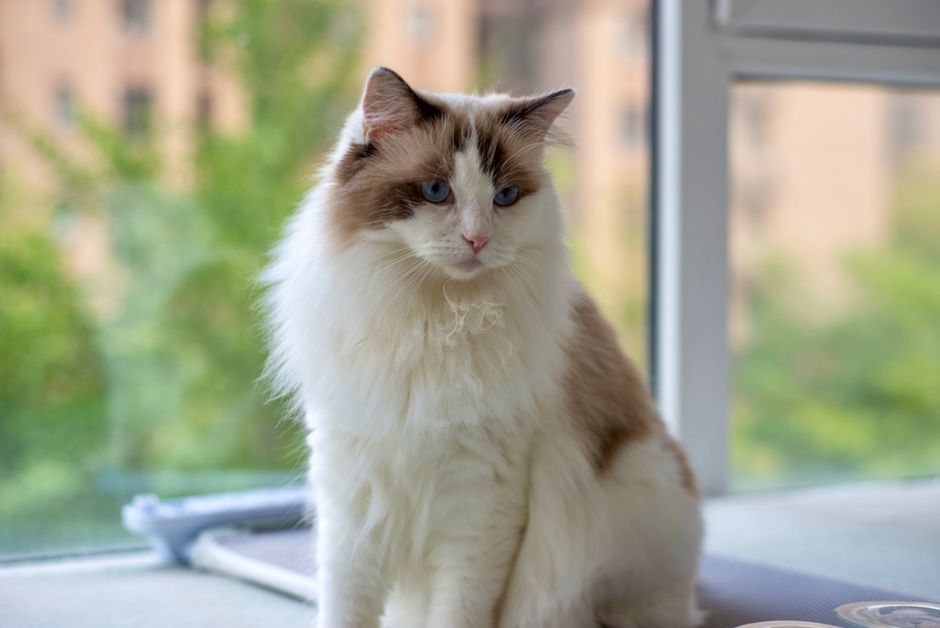
Orijen's premium positioning starts with its ingredient philosophy. The company claims to reflect a cat's natural diet by using fresh or raw animal ingredients—including muscle meat, organs, and cartilage—from regionally sourced poultry, fish, and eggs. The first five ingredients in most Orijen recipes are animal-based, providing high protein content (typically 38-42% for dry foods) and low carbohydrate levels (often under 10%). Additionally, Orijen avoids artificial preservatives, colors, and fillers like corn, wheat, or soy. The food is also free of rendered meals, using instead whole prey ratios. However, this quality comes at a cost: a 4-pound bag of Orijen Original Cat runs around $25–$35, significantly more than many competitors. The brand also offers freeze-dried raw and canned options, further expanding the premium lineup.
How Does Orijen Compare to Other Premium Cat Foods?
To give you a clearer picture, here's a side-by-side comparison of Orijen with two other popular premium dry cat foods. Note that prices are approximate and may vary by retailer.
| Brand/Formula | Protein % | Fat % | Carbs % (est.) | Price per lb (approx.) |
|---|---|---|---|---|
| Orijen Original Cat | 40% | 20% | 10% | $6.50 |
| Acana Meadowland Cat | 37% | 18% | 14% | $4.50 |
| Blue Buffalo Wilderness Chicken | 36% | 16% | 18% | $3.80 |
Furthermore, Orijen's use of fresh ingredients and lower carbs often leads to better digestion and shinier coats, according to many cat owners. However, the price difference can be substantial—Orijen costs nearly twice as much per pound as Blue Buffalo. For budget-conscious owners, Acana (made by the same parent company) offers a more affordable middle ground with slightly lower protein and higher carbs.
What Are the Pros and Cons of Orijen Cat Food?
Here's a quick breakdown of the advantages and drawbacks based on ingredient quality, nutritional profile, and customer feedback.
Pros
- High-quality animal proteins – Fresh or raw meat, organs, and bones mimic a natural feline diet.
- Low carbohydrate content – Helps maintain healthy weight and blood sugar levels.
- No artificial additives – Free from preservatives, colors, and synthetic agents.
- Rich in omega-3s – Promotes skin and coat health.
Cons
- High cost – The price point may be prohibitive for multi-cat households.
- Rich formula – Some cats may experience digestive upset if switched too quickly.
- Limited kibble size variation – Some cats may prefer smaller pellets.
Additionally, while the high protein is beneficial for most cats, those with kidney disease or certain sensitivities may require a lower-protein diet. Always consult your veterinarian before making a major dietary change.
Is Orijen Cat Food Suitable for All Cats?
Orijen's biologically appropriate approach works well for active, healthy cats, especially those with a carnivorous drive. However, cats with pre-existing health conditions—such as chronic kidney disease (CKD), hyperthyroidism, or pancreatitis—may need a more moderate protein level or a diet specifically formulated for their condition. Furthermore, the high calorie density (around 500 kcal per cup) can lead to weight gain if portions are not carefully measured. For kittens, Orijen offers a Kitten formula with extra calcium and DHA, which is generally safe and nutritious. The key is to transition gradually over 7–10 days, mixing increasing amounts of Orijen with the old food to avoid gastrointestinal upset. Most healthy adult cats adapt well and show improved energy and coat condition within a few weeks.
What Do Customers Say About Orijen Cat Food?
Online reviews for Orijen are overwhelmingly positive but mixed with cautious notes. Many cat owners report that their finicky eaters go crazy for Orijen, especially the Original Cat and Six Fish recipes. They often mention shinier fur, fewer hairballs, and less smelly stools. However, some cats refuse to eat it or develop loose stools during the transition. A few reviews note that the kibble size is slightly large for small cats, but this is not a common complaint. Price is the most frequent downside, with customers saying they wish it were more affordable but still consider it a worthwhile investment for their pet's health. Overall, the brand maintains a 4.5-star average across major retailers like Chewy and Amazon.
Final Verdict: Is Orijen Cat Food Worth the Premium Cost?
After evaluating the ingredients, nutritional data, and real-world experiences, it's clear that Orijen cat food is a top-tier choice for cats whose owners can afford the premium cost. The high protein, low carb, and whole prey ingredient list closely aligns with a cat's ancestral diet. For cats with no underlying health issues, this food can lead to visible improvements in vitality and appearance. However, if budget is a primary concern, or if your cat has specific dietary restrictions, you might explore alternatives like Acana or other high-protein foods. Ultimately, the decision hinges on your financial situation and your cat's individual needs. If you can swing the price, Orijen is likely worth the investment.