
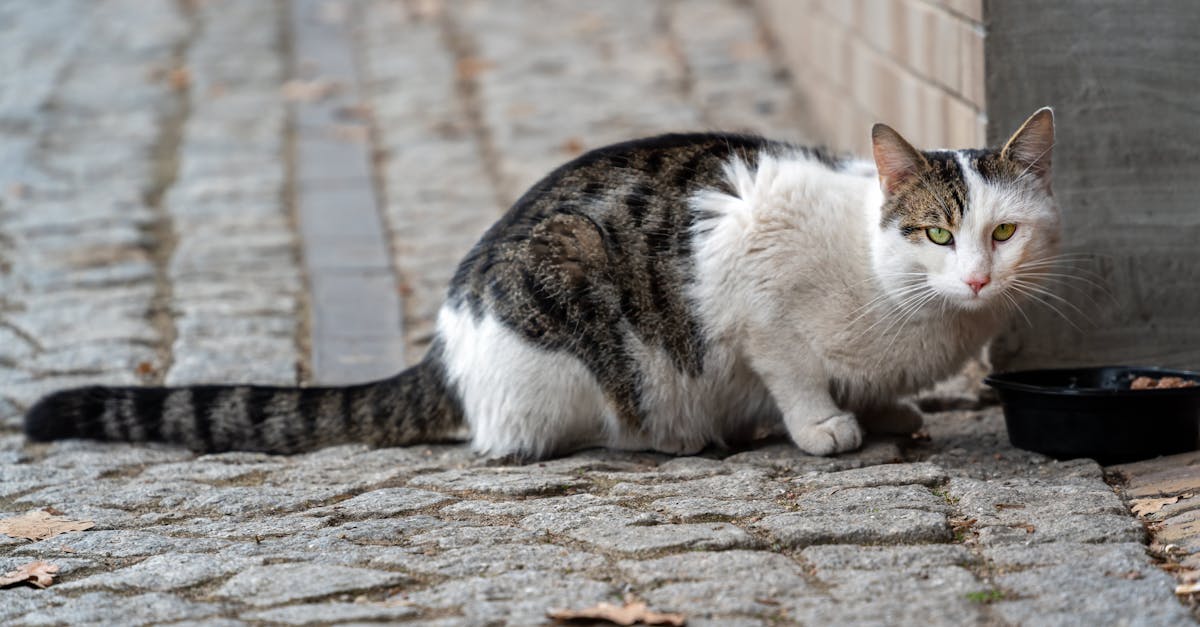
Overfeeding is the number one nutritional problem in pet cats -- over 60% of domestic cats are overweight or obese. Getting portions right is not just about nutrition; it is about preventing diabetes, joint disease, and cutting years off your cat's life. Here is how to feed the right amount.
Daily Calorie Needs
| Cat Weight | Indoor/Low Activity | Active/Outdoor | Weight Loss |
|---|---|---|---|
| 6 lbs (2.7 kg) | 150-170 cal | 180-200 cal | 120-140 cal |
| 8 lbs (3.6 kg) | 180-200 cal | 220-240 cal | 150-170 cal |
| 10 lbs (4.5 kg) | 200-230 cal | 250-280 cal | 170-200 cal |
| 12 lbs (5.4 kg) | 230-260 cal | 280-320 cal | 190-220 cal |
| 14 lbs (6.4 kg) | 250-290 cal | 310-350 cal | 210-240 cal |
Formula: Resting Energy Requirement (RER) = 70 x (body weight in kg)^0.75. Multiply by activity factor (1.0 for indoor, 1.2-1.4 for active, 0.8 for weight loss).
Feeding Schedule Options
| Method | How | Best For | Risk |
|---|---|---|---|
| Meal feeding | Set portions 2-3x daily | Most cats, weight management | Cat may beg between meals |
| Free feeding | Food available 24/7 | Underweight cats, kittens | Obesity (#1 risk) |
| Timed feeding | Food down for 20-30 min, then removed | Multi-cat homes, picky eaters | Requires schedule consistency |
| Puzzle feeding | Food in puzzle toys/feeders | Bored indoor cats, fast eaters | Some cats refuse puzzles initially |
Wet vs Dry: Portion Differences
- Wet food: ~25-30 calories per ounce (typical pate). A 5.5 oz can = ~150 calories.
- Dry food: ~300-400 calories per cup. A 10-lb cat needs roughly 1/3 to 1/2 cup daily.
- Combination: Half wet, half dry -- calculate calories from each and add together.
- ALWAYS check the specific product: Calorie content varies significantly between brands.
Signs of Overfeeding
- Cannot feel ribs under a layer of fat
- No visible waist when viewed from above
- Belly hangs or swings when walking (primordial pouch is normal; a round, tight belly is not)
- Difficulty grooming rear end
- Reluctance to jump or play
Life Stage Feeding
- Kittens (0-12 months): Feed kitten-specific food, 3-4 meals daily, free-feed if underweight
- Adults (1-7 years): 2 meals daily, measured portions, adult formula
- Seniors (7+ years): May need senior formula, smaller more frequent meals, increased protein
- Pregnant/nursing: Free-feed high-calorie kitten food
Frequently Asked Questions
My cat acts hungry all the time -- should I feed more?
Probably not. Cats are expert manipulators and will beg regardless of how much they eat. If your cat is at a healthy weight (ribs palpable, visible waist), the current portions are likely correct. Persistent hunger can also indicate medical issues (diabetes, hyperthyroidism, intestinal parasites) -- consult your vet if hunger seems excessive despite adequate feeding.