
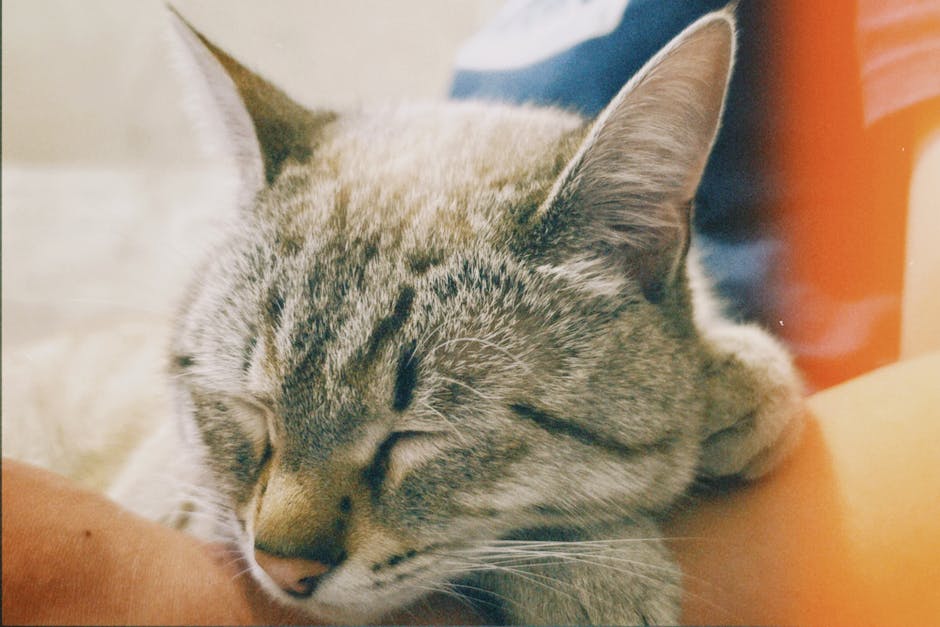
Have you ever noticed your cat sleeping in a strange position and wondered if it means something? The truth is, cat sleeping positions offer fascinating insights into your feline's emotional state and level of trust. From a tight curl to a full belly-up sprawl, each pose reveals how safe and comfortable your cat feels. In this comprehensive guide, we'll decode the most common cat sleeping positions and what they mean about trust, helping you deepen your bond with your furry friend.
Why Do Cats Sleep So Much?
Before diving into specific positions, it's important to understand feline sleep patterns. Cats are crepuscular animals, meaning they are most active at dawn and dusk, and they sleep an average of 12–16 hours a day. This sleep is divided into two phases: light sleep (catnapping) and deep sleep (REM). A cat's sleeping environment and body language directly reflect their sense of security. A trusting cat will choose positions that expose vulnerable areas, while a cautious cat will protect them. Understanding these cues helps you read your cat's comfort level and adjust your interactions accordingly.
What Does the Curled-Up Position Mean?
The classic curled-up position, often called the "fetal pose," involves the cat tucking its paws under its body and wrapping its tail around its face. This position conserves heat and protects vital organs. But from a trust perspective, a tightly curled cat is signaling moderate trust—they are comfortable enough to rest but still alert to potential threats. However, if your cat curls up against you or on your lap, it indicates a higher level of trust, as they are choosing your presence as a protective barrier. Additionally, cats that curl into a tight ball in the open may be slightly anxious or cold, so observe their overall body language.
What Does the Belly-Up Position Mean?
When a cat sleeps on its back with its belly exposed, paws in the air, it is one of the biggest signs of complete trust. The belly is a cat's most vulnerable area because it houses vital organs. Exposing it means your cat feels no threat from their environment or from you. This position is also a sign of deep relaxation, as the cat is comfortable enough to leave their unprotected side open. However, not all belly-up cats want belly rubs—many will still bite if you touch their tummy. But the position itself is a clear vote of confidence. So if you see your cat sleeping this way, consider it a major trust milestone.
What Does the Loaf Position Mean?
The "loaf" position is when a cat tucks all four paws under its body, resembling a bread loaf. This position allows quick movement if needed, but also provides warmth. It indicates a relaxed but semi-alert state—your cat trusts the environment enough to rest but remains ready to react. Loafing is common in cats that feel generally safe but not fully secure. Over time, as trust deepens, you may notice your cat transitioning from loafing to more vulnerable positions like side sleeping or belly-up. Furthermore, if your cat loafs near you or on your chest, it's a positive sign of affection and trust.
What Does the Side Sleeping Position Mean?
Side sleeping—where the cat lies on one side, legs stretched out—is a pose of deep relaxation and moderate to high trust. In this position, the cat's limbs are free, indicating they feel secure enough to let down their guard entirely. Side sleeping often occurs during REM sleep, where the cat may twitch or move their paws. Because the cat is vulnerable on its side, this position is typically reserved for safe spaces like beds, couches, or, best of all, your lap. If your cat sleeps on its side beside you, it's a clear indication that they view you as part of their trusted inner circle.
What Does the "Superman" Position Mean?
The Superman (or sprawled-out) position features the cat lying flat on its belly with front paws stretched forward and back legs extended behind, like a flying superhero. This pose is common in playful, energetic cats who are resting but ready to pounce. It indicates a high level of comfort and trust, as the cat is completely relaxed and not protecting any body parts. Cats that sleep in this position often feel safe and content, especially if they are in a familiar environment with trusted humans. This position also allows for quick cooling on a warm surface, so it's a practical choice as well.
What Does the Spooning Position Mean?
Spooning occurs when one cat (or a cat and human) sleep curled up against each other, often with the smaller cat nestled into the curve of the larger body. This social sleeping arrangement is a strong indicator of deep trust and bonding. Cats that spoon with you are showing that they see you as a safe companion and source of warmth. It also reflects a pack mentality—cats that trust each other will sleep together for security. If your cat spoons with you regularly, consider it a sign of mutual affection and trust. However, be mindful: if your cat suddenly stops spooning, it might indicate stress or illness.
What Does the "Donut" Position Mean?
The donut (or circular) position is when a cat curls into a tight ring, often with its nose tucked near its tail. This is a variation of the curled-up pose but more compact. It is primarily used for warmth and security, especially in cooler environments. From a trust perspective, the donut position suggests moderate trust—the cat is comfortable enough to sleep but still instinctively protecting its core. Cats that adopt this position in a new home or after a change in routine may be adjusting. Over time, as trust builds, they will likely switch to more open positions.
How to Interpret Your Cat's Sleeping Positions for Trust?
To read your cat's trust level through their sleeping habits, consider these tips:
- Observe proximity: Does your cat choose to sleep near you, on you, or in a separate room? Sleeping close indicates higher trust.
- Check the position: Open positions (belly-up, side, superman) suggest deep trust; closed positions (curled, donut) indicate comfort but caution.
- Notice the environment: A cat that sleeps in vulnerable positions in the middle of the room trusts the entire space, while those who only do so in hidden spots may still feel insecure.
- Look for changes: A sudden shift from open to closed positions could signal stress, illness, or a decrease in trust. Similarly, moving from closed to open indicates growing confidence.
- Consider your relationship: If your cat only takes vulnerable positions when you are present, you are a source of safety. If they avoid sleeping near you, they might need more time to build trust.
Conclusion: The Ultimate Trust Indicator
In summary, cat sleeping positions are a powerful window into your feline's emotional world. While every cat is unique, the progression from tightly curled to fully exposed generally correlates with increasing trust. The ultimate trust indicator is when your cat chooses to sleep in a vulnerable position—belly-up, side, or spooning—while you are nearby. However, always consider context: temperature, health, and past experiences all play a role. By paying attention to these subtle cues, you can strengthen your bond and ensure your cat feels safe, loved, and understood. So the next time you see your cat sprawled out, know that it's a silent vote of confidence.