

Why Do Cats Scratch? Understanding Natural Instincts
Cat scratching behavior is a natural and essential part of feline life, yet many pet owners find it frustrating when their furniture becomes the target. Understanding why your cat scratches is the first step toward redirecting this instinct. Cats scratch for several reasons: to mark territory with scent glands in their paws, to stretch and exercise muscles, to sharpen their claws by removing the outer sheath, and to relieve stress or excitement. If you’ve ever wondered, “Why does my cat scratch my couch?”—the answer lies in these deeply ingrained behaviors. Recognizing that scratching is not a destructive act but a necessary one allows you to work with your cat instead of against it.
Furthermore, scratching serves as a form of communication. When cats scratch a surface, they leave both a visual mark and a scent signature. This alerts other cats to their presence and helps establish a familiar environment. By providing appropriate outlets, you can satisfy your cat’s natural drives without sacrificing your home.
What Triggers Scratching Behavior?
Several factors can trigger cat scratching behavior, including territorial stress, boredom, anxiety, or simply the need to shed old claw sheaths. A cat that feels threatened by a new pet or changes in the household may scratch more frequently. Similarly, if your cat lacks stimulating toys or scratching posts, furniture becomes an attractive alternative. Identifying the specific triggers in your cat’s life can help you choose the most effective redirection strategies.

How Can You Redirect Cat Scratching Behavior?
Redirecting scratching behavior involves offering appealing alternatives and making undesirable surfaces less attractive. First, provide a variety of scratching posts made from different materials—sisal rope, cardboard, carpet, and wood. Place them near areas your cat already scratches, such as the corner of the sofa or a favorite rug. Additionally, use positive reinforcement: when your cat uses the post, reward it with treats or praise. Never punish scratching, as this can increase anxiety and worsen the behavior.
- Choose a tall, sturdy scratching post that allows your cat to fully stretch.
- Try horizontal scratching pads if your cat prefers to scratch flat surfaces.
- Use catnip or pheromone sprays to attract your cat to the post.
However, if your cat continues to target furniture, consider deterrents like double-sided tape, aluminum foil, or plastic carpet runners placed upside down on the area. These textures are unpleasant for cats to scratch and can break the habit. Consistency is key—it may take several weeks for your cat to fully transition to appropriate surfaces.
What Are the Best Types of Scratching Posts for Cats?
Choosing the right scratching post is crucial for successful redirection. Cats are individuals, so their preferences vary. Some cats love vertical posts where they can stretch high; others prefer horizontal cardboard scratchers. A good rule of thumb is to offer both types. Additionally, stability matters: if a post wobbles when your cat uses it, they will avoid it. Look for heavy bases or wall-mounted options.
Furthermore, consider the material. Sisal rope is typically the most attractive because it provides rough texture for claw maintenance. Carpet-covered posts may be less appealing if your cat has already learned to scratch your carpet. You can also try corrugated cardboard scratchers, which are inexpensive and easy to replace. Many cats enjoy the sound and feel of cardboard. By experimenting with different styles, you can discover what your cat prefers and reinforce that choice.
How Does Scratching Mark Territory and Reduce Stress?
Cat scratching behavior is closely linked to territorial marking. Cats have scent glands between their paw pads, so scratching leaves both a visual and olfactory signal. This is particularly important in multi-cat households, where cats use scratching to establish boundaries and reduce direct conflict. Additionally, scratching can be a stress-relief mechanism. When a cat is anxious or excited, the physical act of digging claws into a surface releases endorphins, helping them calm down.
Moreover, regular scratching helps maintain healthy claws. By removing the outer sheath, cats keep their claws sharp and functional. Without appropriate scratching opportunities, claws can become overgrown, leading to discomfort or even injury. Providing scratching posts not only protects your belongings but also supports your cat’s physical well-being. If you notice excessive scratching, monitor for signs of stress or medical issues such as nail bed infections.
What Training Techniques Help Stop Destructive Scratching?
Training your cat to use appropriate scratching surfaces requires patience and positive methods. Begin by placing the scratching post directly in front of the damaged area. As your cat starts to use it, gradually move the post to a more convenient location. Use toys to encourage interaction—drag a wand toy over the post to mimic scratching motions. Clicker training can also be effective: click and treat whenever your cat touches or scratches the post.
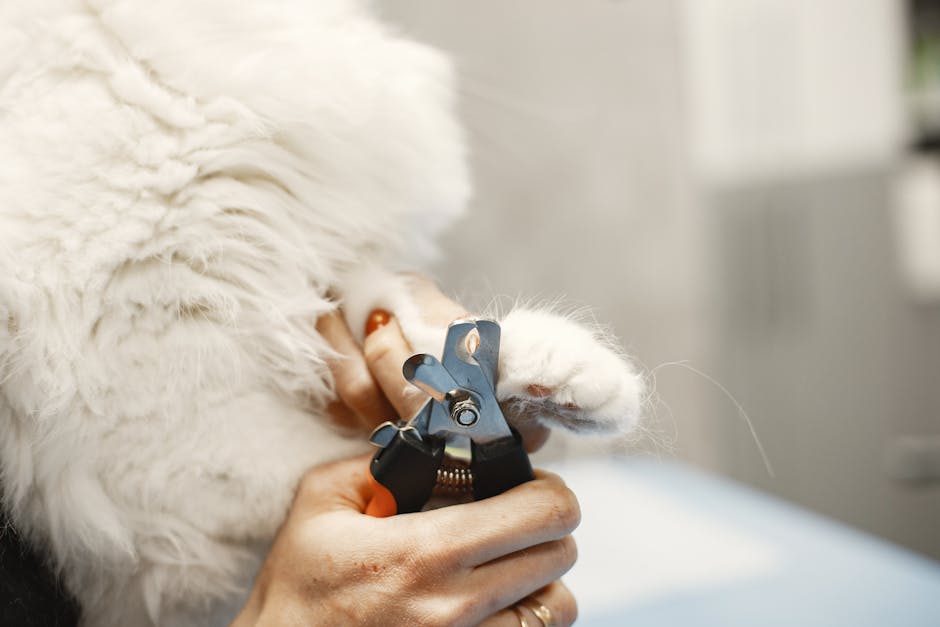
Additionally, make sure to trim your cat’s claws regularly. Shorter claws cause less damage and reduce the urge to scratch. If you are uncomfortable trimming nails, ask your veterinarian or a groomer for guidance. Another option is to apply soft plastic nail caps (e.g., Soft Paws), which cover the tips without harming the cat. These caps can be a temporary solution while you work on redirecting behavior. Remember, the goal is to change the behavior gradually and compassionately.
Common Mistakes to Avoid
Many well-meaning owners inadvertently reinforce undesirable scratching. Never yell at or physically punish your cat—this can increase fear and anxiety, leading to more scratching. Also, avoid declawing, which is a painful and inhumane procedure that can cause long-term health issues. Instead, focus on environmental enrichment: provide plenty of toys, perches, and interactive playtime. A bored cat is more likely to scratch out of frustration.
Can Cat Scratching Behavior Indicate Health Problems?
In some cases, sudden changes in scratching behavior may signal an underlying medical issue. If your cat is scratching surfaces excessively and also seems restless, irritable, or avoids using the litter box, it could be a sign of pain (e.g., arthritis, nail problems) or skin allergies. Additionally, feline hyperesthesia syndrome can cause compulsive scratching. If you observe any concerning changes, consult your veterinarian. They can rule out medical causes and recommend behavior modification techniques tailored to your cat’s needs.
Furthermore, older cats may scratch less due to joint stiffness or reduced mobility. If your senior cat suddenly stops scratching entirely, check its claws for overgrowth and provide low-sided scratchers that are easier to access. Keeping a scratching log can help you track changes and discuss them with your vet.
Conclusion
Cat scratching behavior is a normal, instinctive part of being a cat. By understanding why cats scratch and providing appropriate outlets, you can protect your furniture while keeping your feline friend happy and healthy. Remember to offer a variety of scratching surfaces, use positive reinforcement, and avoid punishment. With patience and consistency, you can redirect scratching to acceptable areas, strengthening the bond between you and your cat. If challenges persist, don’t hesitate to seek advice from a veterinarian or a certified animal behaviorist. A harmonious home is possible when you respect your cat’s natural needs.