
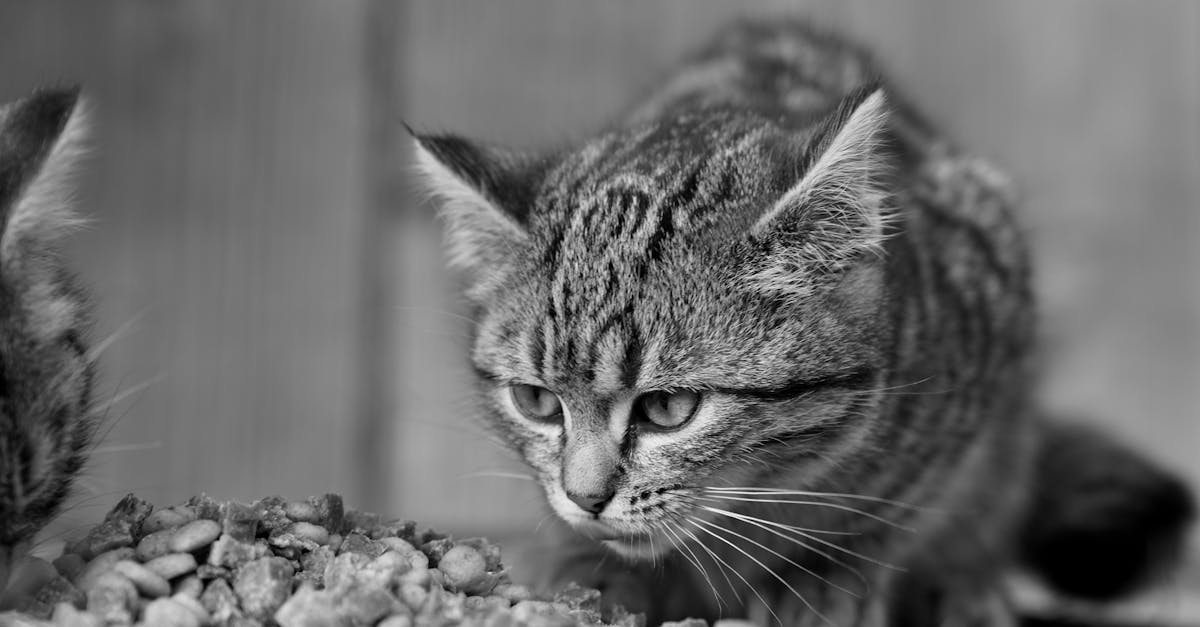
Inflammatory Bowel Disease (IBD) is one of the most common chronic GI conditions in cats -- causing persistent vomiting, diarrhea, weight loss, and misery. While IBD requires medical management, diet is the foundation of treatment. The right food can dramatically reduce symptoms and flare frequency.
Table of Contents
Understanding Feline IBD
- Chronic inflammation of the GI tract lining
- Causes: unknown -- likely immune-mediated response to dietary or environmental triggers
- Types: lymphocytic-plasmacytic (most common), eosinophilic, granulomatous
- Symptoms: chronic vomiting, diarrhea, weight loss, poor appetite, lethargy
- Diagnosis: biopsy via endoscopy or surgery (bloodwork alone is insufficient)
Dietary Approach to IBD
Option 1: Novel Protein Diet
- Feed a protein the cat has NEVER eaten before
- Removes potential dietary triggers
- Options: rabbit, venison, duck, kangaroo
- Prescription: Hill's d/d, Royal Canin Selected Protein
- OTC: Instinct Limited Ingredient (rabbit), Natural Balance LID
Option 2: Hydrolyzed Protein Diet
- Proteins broken into pieces too small for the immune system to react to
- Prescription: Hill's z/d, Royal Canin Hypoallergenic
- Often used when novel protein diets are insufficient or when protein history is unknown
Option 3: Highly Digestible Diet
- Easy-to-absorb nutrients that reduce GI workload
- Prescription: Hill's i/d, Royal Canin Gastrointestinal
- Good for mild IBD or as maintenance after initial control
IBD Diet Rules
- Strict elimination: Feed ONLY the chosen diet for 8-12 weeks. Zero other food or treats.
- Low carbohydrate: Reduce GI inflammation triggers
- High digestibility: Less undigested material to irritate inflamed gut
- Omega-3 supplementation: Anti-inflammatory -- fish oil 300mg EPA+DHA daily
- Probiotics: FortiFlora or Visbiome Vet as adjunct therapy
- Small, frequent meals: 3-4 small meals reduce GI stress
Combining Diet with Medication
- Prednisolone: Standard first-line medication for IBD
- Budesonide: Alternative steroid with fewer systemic side effects
- Cobalamin (B12): Supplementation often needed (IBD impairs absorption)
- Diet alone: May be sufficient for mild IBD. Moderate-severe cases need medication + diet.
Frequently Asked Questions
Can IBD be cured with diet?
IBD cannot be "cured" but can be managed into remission. Some cats achieve complete symptom control through diet alone -- especially those with mild lymphocytic-plasmacytic IBD. Others need ongoing medication plus dietary management. The goal is finding the combination of food and medication that keeps your cat symptom-free with the least amount of medication. Relapses can occur, especially during stress or dietary indiscretion.