
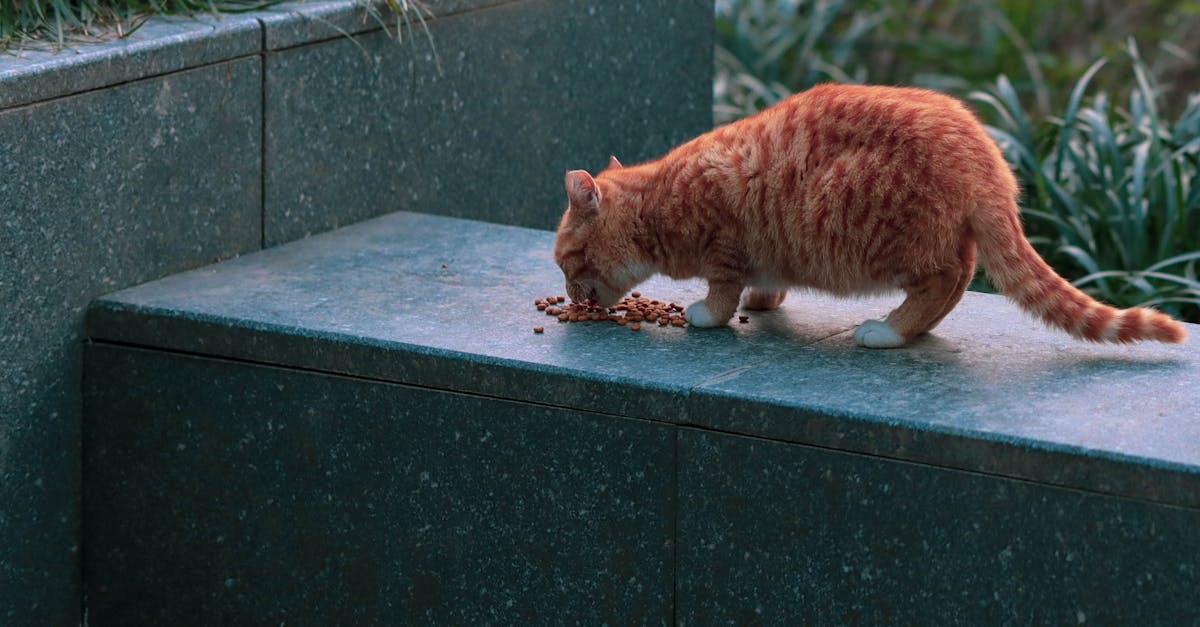
The pet food industry produces 64 million tons of carbon dioxide annually -- equivalent to the entire country of the Philippines. With over 370 million pet cats worldwide, the environmental impact of cat food is significant. For eco-conscious owners, here is how to make more sustainable feeding choices without compromising your cat's nutrition.
The Environmental Impact
- Meat production: Cat food requires animal protein, and livestock farming is a major source of greenhouse gases
- Fishing: Demand for fish-based cat food contributes to overfishing
- Packaging: Billions of cans, pouches, and bags annually
- Transportation: Global supply chains for ingredients and distribution
- Food waste: Uneaten cat food goes to landfill
Sustainable Feeding Strategies
| Strategy | Impact | Feasibility |
|---|---|---|
| Choose sustainable fish brands | Reduces overfishing | Easy -- look for MSC certification |
| Reduce food waste | Less landfill contribution | Easy -- feed appropriate portions |
| Choose recyclable packaging | Reduces plastic waste | Easy -- aluminum cans are highly recyclable |
| Buy larger sizes | Less packaging per serving | Easy -- if you can store it properly |
| Support B Corp brands | Broader environmental commitment | Moderate -- limited options |
| Insect-protein food | Dramatically lower carbon footprint | Emerging -- limited cat food options |
Eco-Friendly Cat Food Brands
- Open Farm: Certified humane, sustainably sourced, recyclable packaging
- Jiminy's: Insect protein (cricket, grub) -- 90% less land, water, and emissions than beef
- Catit: Sustainable fish sourcing, eco-packaging
- Applaws: Sustainably sourced fish, minimal processing, recyclable cans
The Insect Protein Question
Insect-based cat food is emerging as a sustainable alternative:
- Black soldier fly larvae contain 40-60% protein with a complete amino acid profile
- Require 2,000x less water and 10x less land than beef
- Studies show cats can digest insect protein effectively
- Taurine must still be supplemented (insects contain little)
- Palatability is the challenge -- most cats accept insect-based food after gradual transition
What You CANNOT Do
- Feed cats a vegan diet for environmental reasons: Cats are obligate carnivores. Vegan diets cause deficiency diseases, suffering, and death. There is no ethical shortcut here.
- Compromise nutrition for sustainability: Cat health comes first. Choose the most sustainable option within the bounds of proper feline nutrition.
Frequently Asked Questions
Is the environmental impact of cat food really significant?
Yes -- a 2017 UCLA study estimated that US dogs and cats are responsible for 25-30% of the environmental impact of animal agriculture in America. That is significant. However, pet food often uses by-products and cuts that humans will not eat -- meaning it utilizes parts of the animal that would otherwise be wasted. The environmental calculus is complex, but reducing waste, choosing sustainable brands, and supporting emerging alternatives (insect protein) are meaningful steps any cat owner can take.