
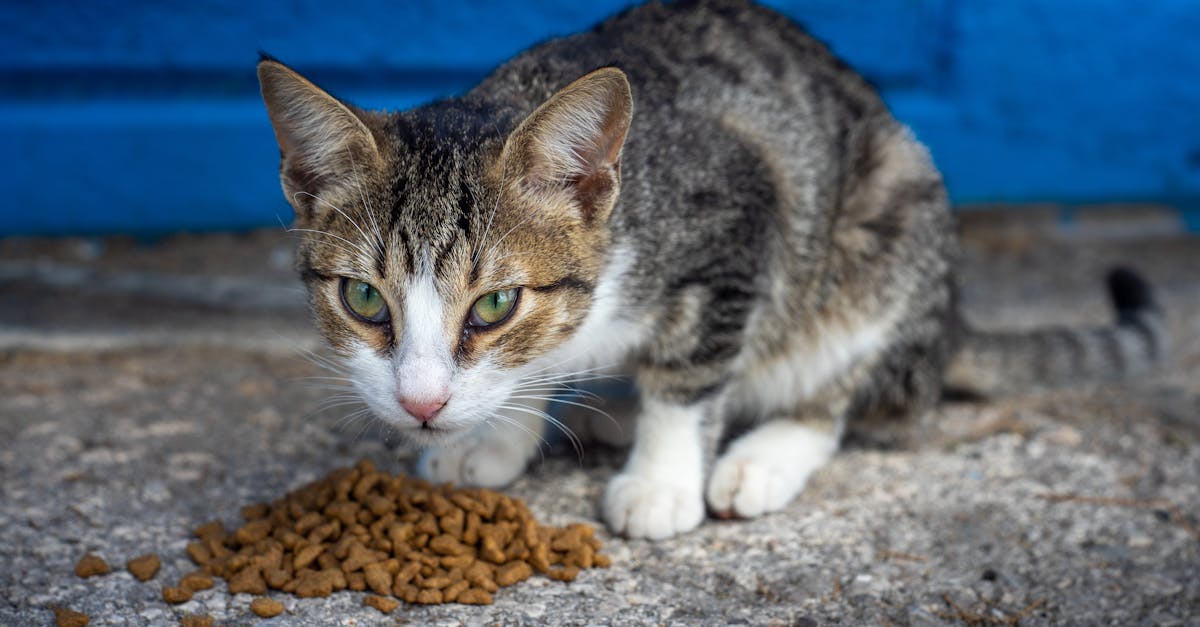
Food allergies affect an estimated 1-5% of cats -- but food INTOLERANCE (digestive upset without immune involvement) is much more common. Both cause misery for cats and frustration for owners. The good news: once identified, food allergies are completely manageable through diet.
Allergy vs Intolerance
| Feature | Food Allergy | Food Intolerance |
|---|---|---|
| Mechanism | Immune system reaction | Digestive system reaction |
| Onset | Can develop at any age, any food | Usually dose-dependent |
| Symptoms | Skin + GI + sometimes respiratory | Primarily GI (vomiting, diarrhea) |
| Amount needed | Any amount triggers reaction | Larger amounts = worse symptoms |
| Treatment | Complete elimination of allergen | Reduce or eliminate the food |
Common Cat Food Allergens
- Beef -- the #1 most common cat food allergen
- Fish -- second most common
- Chicken -- third most common
- Dairy -- fourth (and lactose intolerance is separate)
- Wheat -- less common than the above proteins
- Corn -- uncommon but possible
- Soy -- uncommon
Note: PROTEIN sources cause most food allergies, not grains. This is why "grain-free" does not solve food allergies.
Symptoms of Food Allergies
- Skin: Intense itching (especially head, neck, ears), hair loss, scabs, over-grooming
- GI: Chronic vomiting, diarrhea, gas, weight loss
- Ears: Recurrent ear infections, brown waxy discharge
- Non-seasonal: Symptoms occur year-round (environmental allergies are seasonal)
The Elimination Diet (Gold Standard)
Blood tests and skin tests for food allergies are unreliable in cats. The ONLY accurate method is an elimination diet:
- Choose a novel protein: A protein your cat has NEVER eaten (rabbit, venison, duck, kangaroo)
- Feed ONLY this food for 8-12 weeks: No treats, no table scraps, no flavored medications
- Monitor symptoms: If symptoms resolve, food allergy is confirmed
- Challenge: Reintroduce old foods one at a time to identify the specific allergen
- Each challenge: Feed the suspected food for 2 weeks, watch for symptom return
Hypoallergenic Food Options
- Novel protein: Hill's d/d (venison, rabbit), Royal Canin Selected Protein
- Hydrolyzed protein: Hill's z/d, Royal Canin Hypoallergenic -- proteins broken down so small the immune system cannot react
- OTC novel protein: Instinct Limited Ingredient (rabbit), Natural Balance LID
Frequently Asked Questions
Can my cat develop an allergy to food they have eaten for years?
Yes -- this is actually the norm. Food allergies develop after REPEATED exposure to a protein, not on first contact. A cat can eat chicken happily for 5 years and then develop a chicken allergy. This is why food allergies can appear suddenly in middle-aged or senior cats who have been on the same food for years. The immune system gradually sensitizes to the protein over time.