
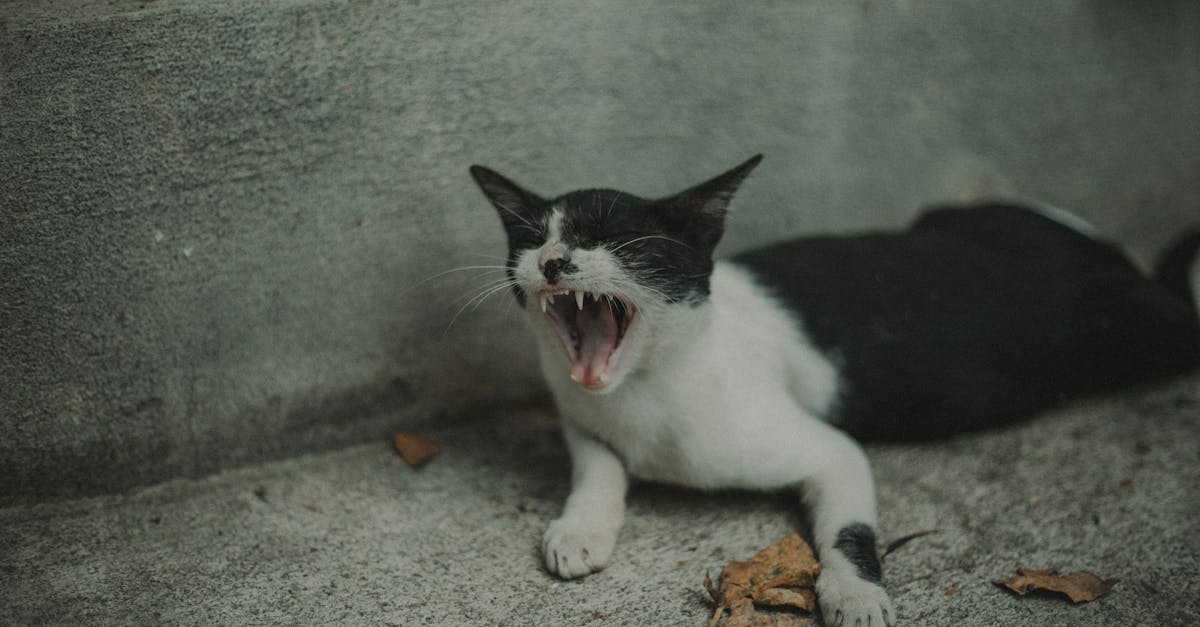
Aggression is the second most common behavioral complaint in cats (after litter box problems) and the most dangerous. Understanding that cat aggression always has a cause -- and that the cause determines the solution -- is the first step toward resolution. Punishing aggression always makes it worse.
Types of Cat Aggression
| Type | Trigger | Body Language | Solution |
|---|---|---|---|
| Play aggression | Inappropriate play training, excess energy | Stalking, pouncing, dilated pupils, no hissing | Redirect to toys, increase play sessions |
| Petting-induced (overstimulation) | Being touched too long or in wrong spot | Tail twitch, skin ripple, ears back, then bite | Learn warning signs, stop before threshold |
| Fear aggression | Feeling trapped, threatened, no escape | Flat ears, hissing, arched back, puffed tail | Provide escape routes, reduce triggers |
| Redirected aggression | Aroused by one stimulus, attacks nearest target | Intense focus on window, then turns on person/cat | Block trigger stimulus, separate cats during arousal |
| Inter-cat aggression | Territory, resource competition, social stress | Staring, blocking, ambushing, fighting | Adequate resources, reintroduction, possibly medication |
| Pain-induced | Touch on painful area | Sudden bite/scratch when specific area touched | Vet exam, treat underlying pain |
| Maternal | Threat to kittens | Protective posture, attacks anyone approaching kittens | Give mother space, minimize handling of kittens |
Play Aggression (Most Common in Young Cats)
- The cat sees hands, feet, and ankles as prey
- Cause: Usually cats raised without siblings who learned bite inhibition, or owners who played with hands as kittens
- Rule #1: NEVER use hands or feet as toys -- always use toys on sticks/strings
- Solution: 2-3 structured play sessions daily (15-20 min each) with wand toys, increase environmental enrichment, freeze and withdraw attention immediately if the cat targets you
Petting-Induced Aggression (Overstimulation)
- Cat enjoys petting initially, then suddenly bites
- Not spite -- the cat becomes neurologically overstimulated
- Warning signs: Tail twitching, ears rotating back, skin twitching, stiffening, pupils dilating
- Solution: Watch for early signs and STOP before the bite threshold. Pet for shorter duration. Learn your cat's "enough" point -- it is consistent for each individual.
Redirected Aggression
- The most dangerous form -- cats can cause serious injury during redirected attacks
- Example: cat sees outdoor cat through window, becomes extremely aroused, then attacks the nearest person or housemate cat
- Solution: Block visual triggers (window film), separate cats during arousal episodes, do NOT approach an aroused cat, allow 24-48 hours to fully de-escalate
When to Seek Professional Help
- Aggression causing injury requiring medical attention
- Aggression escalating in frequency or intensity
- Inter-cat aggression lasting more than 2 weeks without improvement
- Aggression toward children
- Sudden onset in previously non-aggressive cat (rule out medical cause first)
Frequently Asked Questions
Should I rehome my aggressive cat?
Most aggression is resolvable with proper identification of the type and appropriate intervention. Consult a veterinary behaviorist (not just a regular vet) before making this decision. Medical causes (pain, hyperthyroidism, neurological issues) must be ruled out first. Play aggression resolves with proper play outlets. Petting aggression is managed by respecting limits. Inter-cat aggression may require environmental restructuring. Rehoming should be a last resort after professional behavioral consultation -- and sometimes a change of environment IS the best solution for the cat's wellbeing.