
What Makes Cats Obligate Carnivores?
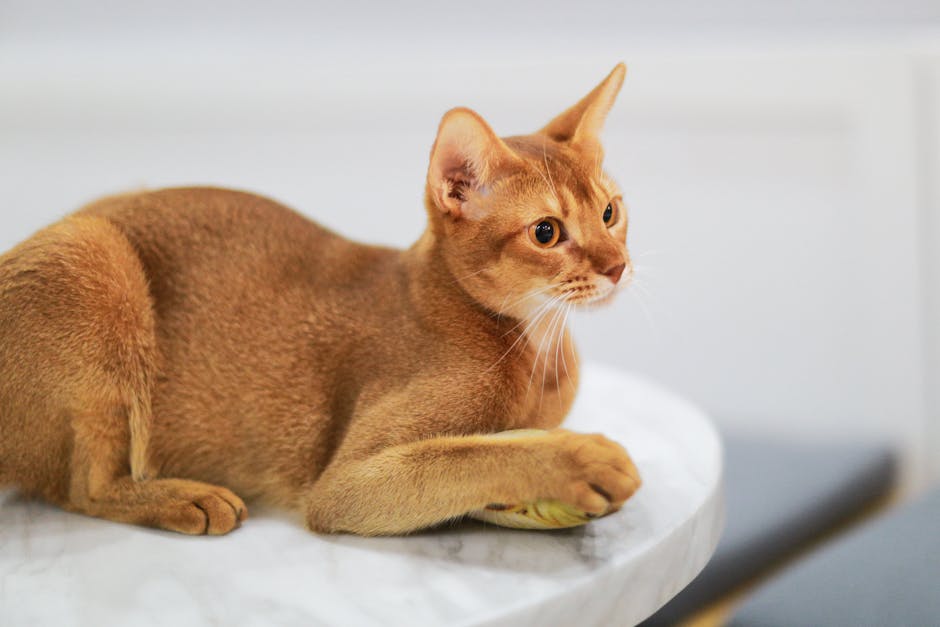
Cats are obligate carnivores, meaning their bodies are biologically designed to thrive on a meat-based diet. Unlike dogs or humans, cats have a limited ability to digest carbohydrates and require specific nutrients like taurine, arachidonic acid, and vitamin A that are only naturally found in animal tissues. Consequently, their digestive systems are short and acidic to efficiently process raw meat. Feeding a high-protein diet is not just beneficial; it is essential for maintaining optimal health, muscle mass, and energy levels. Therefore, when searching for the best high protein cat food for obligate carnivores, you must prioritize formulas that mirror a cat's natural prey.
Why High Protein Cat Food Matters for Obligate Carnivores?
High protein cat food supports multiple critical functions in obligate carnivores. First, protein supplies amino acids that are building blocks for organs, skin, coat, and immune function. Additionally, it provides a steady energy source without the blood sugar spikes associated with carbohydrates. Feeding a high-protein diet can help prevent obesity, diabetes, and urinary tract issues because it promotes lean muscle mass and encourages water intake through moisture-rich foods. Furthermore, many high-protein formulas include species-appropriate ingredients like organ meats and bone meal, which mimic the nutritional profile of a mouse or bird. However, not all high-protein foods are equal; you must check for named meat sources and avoid fillers like corn or wheat.
What Are the Top 5 Best High Protein Cat Foods for Obligate Carnivores?
We evaluated dozens of products based on protein content, ingredient quality, customer reviews, and nutritional adequacy. Below is a comparison table of the five best options. Ratings are out of 5 stars.
| Brand & Product | Protein % (dry matter) | Rating | Key Pros | Key Cons |
|---|---|---|---|---|
| Orijen Original Cat | 40% | 4.8 | 85% animal ingredients, freeze-dried coating | Expensive, high calorie for less active cats |
| Blue Wilderness High Protein | 36% | 4.5 | Real chicken first, grain-free, affordable | Contains carrageenan, includes potato starch |
| Wellness CORE RawRev | 38% | 4.7 | Freeze-dried raw bits, high meat content | Some cats dislike the texture mix |
| Tiki Cat After Dark | 42% | 4.9 | Whole prey ingredients, low carbohydrate | More expensive per can, minimal fiber |
| Purina Pro Plan True Nature | 35% | 4.3 | Real salmon or chicken, moisture-rich gravy | Contains wheat gluten, moderate protein |
Orijen Original Cat
Orijen leads the pack with a protein content of 40% on a dry matter basis. It features a diverse mix of fresh or raw chicken, turkey, fish, and eggs. The inclusion of whole prey ingredients like liver and cartilage ensures taurine and other essential nutrients. However, its high calorie density may not be suitable for sedentary indoor cats. Pros: Excellent ingredient sourcing, high moisture in freeze-dried coating. Cons: Premium price, may be too rich for sensitive stomachs.
Blue Wilderness High Protein
Blue Wilderness offers a more affordable option without sacrificing quality. With real chicken as the first ingredient and no grains, it provides 36% protein. Many cats enjoy the taste, and it supports healthy digestion with added fiber. Pros: Budget-friendly, widely available, good for weight management. Cons: Contains some carbohydrates from potatoes, includes carrageenan which some owners avoid.
Wellness CORE RawRev
Wellness CORE RawRev combines high-protein kibble with freeze-dried raw pieces for variety. At 38% protein, it is a nutrient-dense choice. The addition of probiotics aids digestion. Pros: High-quality proteins, no by-products, great for picky eaters. Cons: Some cats ignore the raw pieces, slightly higher price point.
Tiki Cat After Dark
Tiki Cat After Dark stands out with 42% protein and a whole prey philosophy. The recipe includes chicken, liver, and heart with chicken broth. It is low in carbohydrates, making it ideal for diabetic or overweight cats. Pros: High moisture, minimal processing, very palatable. Cons: Only available in cans (higher cost per serving), not suitable for dry-food-only feeders.
Purina Pro Plan True Nature
Purina Pro Plan True Nature offers a balanced wet and dry line with 35% protein. It is backed by veterinary research and includes real meat as the first ingredient. Pros: Trusted brand, affordable, ensures complete nutrition. Cons: Contains wheat gluten, lower protein compared to premium brands.
How to Choose the Best High Protein Cat Food for Your Obligate Carnivore?
When selecting a food, first examine the guaranteed analysis: aim for at least 35% protein on a dry matter basis. Next, check the ingredient list – the first few items should be named animal proteins (e.g., chicken, fish, beef) rather than meat meals or by-products. Additionally, look for AAFCO statement indicating complete and balanced nutrition for your cat's life stage. Avoid artificial preservatives, colors, and excessive carbohydrates (ideally under 10% carbs). For wet food, higher moisture content (over 75%) helps with hydration. Furthermore, consider your cat's age, activity level, and any health issues. Kittens need more protein and fat, while senior cats may benefit from lower phosphorus. Transitioning gradually over 7-10 days prevents digestive upset. Finally, consult your veterinarian before making a major dietary change.
Frequently Asked Questions About High Protein Cat Food for Obligate Carnivores?
Can high protein cat food cause kidney problems? This is a common concern. However, recent studies show that high-quality protein does not damage healthy kidneys; it only worsens pre-existing kidney disease. For cats without renal issues, a high-protein diet is safe and beneficial.
Is wet or dry high protein cat food better? Wet food provides additional moisture, which is crucial for cats that don't drink enough. Dry food can still be high protein but often contains more carbohydrates. A combination may be optimal.
How much high protein food should I feed? Follow the feeding guide on the package, adjusting for your cat's weight and activity. Overfeeding can lead to obesity even with high protein. Use a measuring cup and monitor body condition.
Conclusion
Choosing the best high protein cat food for obligate carnivores requires careful attention to ingredient quality, protein percentage, and your cat’s individual needs. The five options we reviewed – Orijen, Blue Wilderness, Wellness CORE RawRev, Tiki Cat After Dark, and Purina Pro Plan True Nature – each offer unique benefits. Orijen and Tiki Cat excel in protein content and whole prey ingredients, while Blue Wilderness provides a cost-effective alternative. Regardless of your choice, prioritize animal-based proteins and avoid fillers. Your obligate carnivore will thank you with a shiny coat, robust energy, and better overall health. Remember to transition slowly and consult your vet for personalized recommendations.