
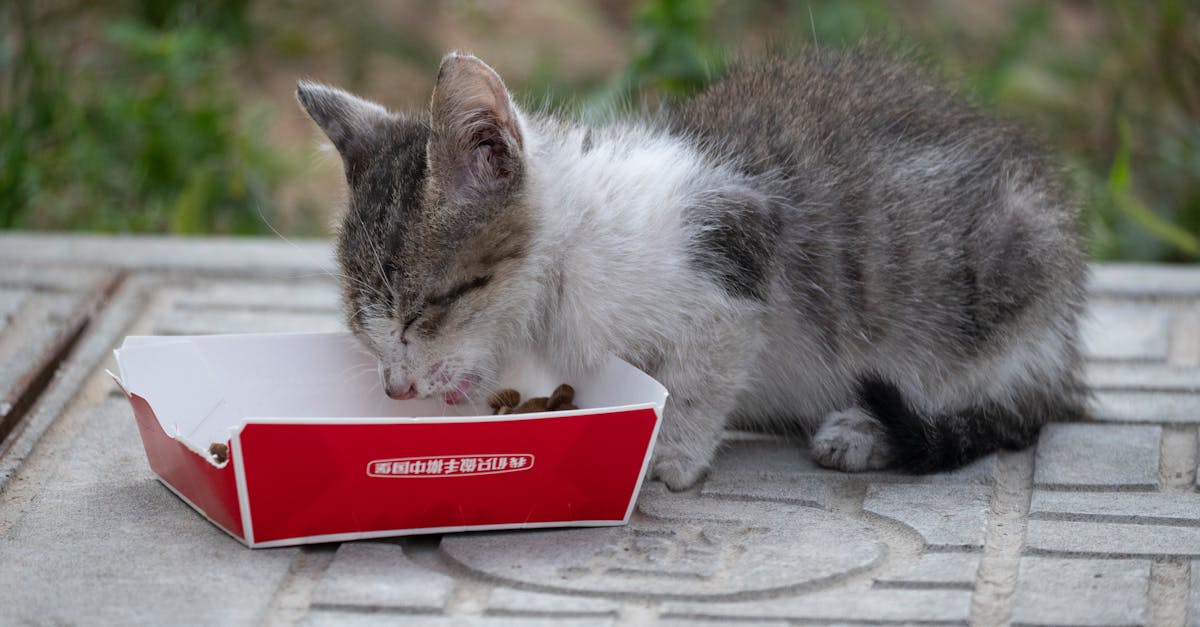
Cats are considered "senior" at age 7 and "geriatric" at 11+ -- and their nutritional needs shift significantly. Kidney function declines, muscle mass decreases, digestion slows, and appetite often becomes unpredictable. Adjusting diet is one of the most impactful things you can do for an aging cat's quality of life.
How Nutritional Needs Change
| Nutrient | Change | Why |
|---|---|---|
| Protein | INCREASE (contrary to old advice) | Prevent muscle wasting (sarcopenia) |
| Calories | Decrease slightly | Lower metabolism, less activity |
| Phosphorus | DECREASE | Protect declining kidney function |
| Moisture | INCREASE | Senior cats are chronically dehydrated |
| Omega-3 | INCREASE | Joint health, cognitive function, inflammation |
| Fiber | Moderate increase | Combat constipation (common in seniors) |
The Protein Myth
Old advice: "Reduce protein for senior cats to protect kidneys." Current evidence: This is WRONG for healthy seniors.
- Healthy senior cats need MORE protein to maintain muscle mass
- Protein restriction is only appropriate for cats with diagnosed kidney disease (and even then, moderate restriction)
- Senior cats digest protein less efficiently -- they need more to get the same benefit
- Muscle loss (sarcopenia) is a bigger threat to most senior cats than kidney damage from protein
Top Senior Cat Food Brands
| Brand | Type | Key Feature |
|---|---|---|
| Hill's Science Diet Senior 11+ | Wet & Dry | Easy to digest, joint support |
| Royal Canin Aging 12+ | Wet & Dry | Kidney-conscious phosphorus levels |
| Purina Pro Plan Senior 7+ | Wet & Dry | High protein, probiotics |
| Wellness Complete Health Senior | Wet & Dry | Natural ingredients, glucosamine |
| Tiki Cat Senior | Wet | High moisture, whole meat, low carb |
Common Senior Cat Feeding Issues
- Decreased appetite: Warm food to enhance aroma, try different textures, add low-sodium broth
- Dental pain: Switch to soft pate or add water to kibble
- Weight loss: Increase calorie density -- add a spoonful of kitten food for extra calories
- Constipation: Add pumpkin (1 tsp) or increase wet food proportion
- Vomiting: Smaller, more frequent meals. Elevated food bowls.
- Kidney disease: Prescription kidney diet (Hill's k/d, Royal Canin Renal)
Frequently Asked Questions
Should I switch to senior food at exactly age 7?
Not necessarily. Age 7 is when to START monitoring for age-related changes, not when to automatically switch food. If your 7-year-old cat is healthy, active, at a good weight, and has normal bloodwork -- current food may be fine. Switch when your vet identifies specific needs: kidney values changing, weight gain/loss, dental issues, or digestive changes. Bloodwork at annual checkups guides the timing better than a calendar date.