
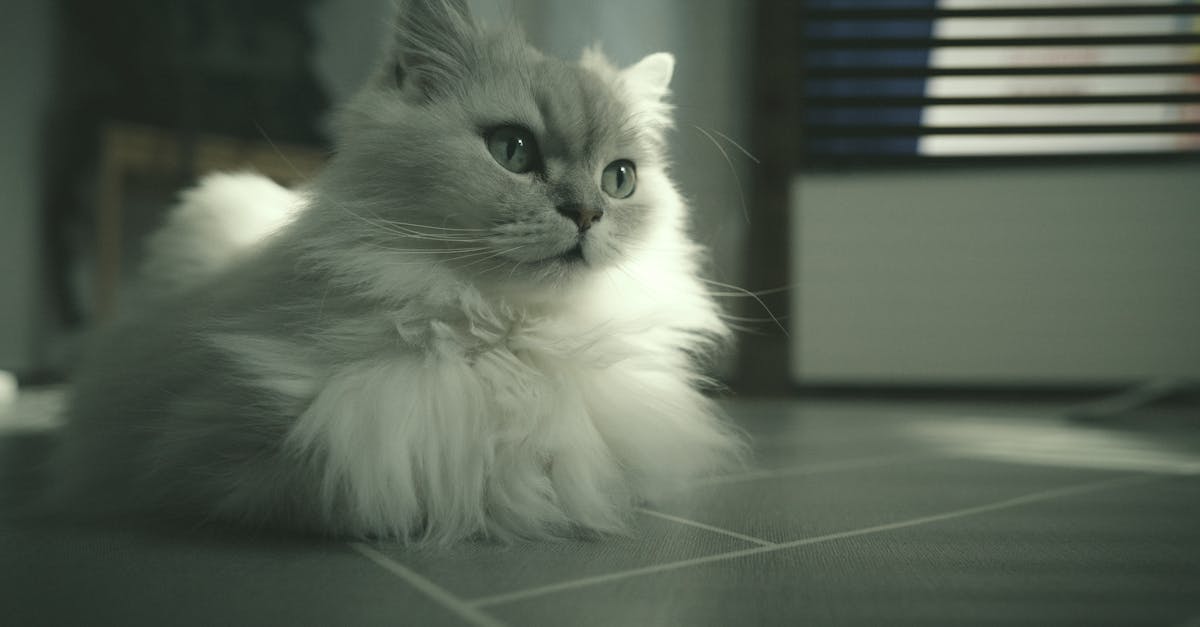
Hairballs are the gross reality of living with cats -- especially longhaired breeds. While occasional hairballs are normal, frequent hairball vomiting indicates a problem that diet can often solve. The right food reduces the amount of hair that accumulates in the stomach and helps it pass through the digestive tract instead of being vomited up.
Table of Contents
Why Hairballs Form
- Cats groom themselves 30-50% of waking hours, swallowing loose fur
- Most fur passes through the digestive system normally
- When too much accumulates, it forms a mass (trichobezoar) in the stomach
- The stomach cannot digest hair, so it is either vomited or (ideally) passed in stool
Risk Factors
- Longhaired breeds: Persians, Maine Coons, Ragdolls shed more, ingest more
- Over-grooming: Stress, skin allergies, or boredom cause excessive grooming
- Seasonal shedding: Spring and fall produce more loose fur
- Low-fiber diet: Insufficient fiber to move hair through the GI tract
- Dehydration: Dry food + low water intake = sluggish digestion
How Hairball Food Works
- Increased fiber: Psyllium, cellulose, or beet pulp pushes hair through intestines
- Omega fatty acids: Reduce shedding by improving coat health
- Improved digestibility: Better nutrient absorption = less time for hair to accumulate
- Lubricants: Some formulas include mild lubricants to help hair pass
Top Hairball Control Foods
| Brand | Type | Key Feature |
|---|---|---|
| Hill's Science Diet Hairball Control | Wet & Dry | Natural fiber blend, clinically proven |
| Royal Canin Hairball Care | Wet & Dry | Specific fiber blend, psyllium |
| Purina Pro Plan Hairball Management | Dry | Natural fiber, chicken first ingredient |
| Blue Buffalo Hairball Control | Wet & Dry | Natural fiber, no by-products |
| Iams Hairball Care | Dry | Budget-friendly, beet pulp fiber |
Non-Dietary Hairball Prevention
- Daily brushing: Removes loose fur before the cat swallows it (most effective prevention)
- Hairball gel/paste: Petroleum-based lubricants (Laxatone) help hair pass through
- Pumpkin: 1 tsp plain canned pumpkin adds natural fiber
- Cat grass: Provides roughage that helps move hair through
- More water: Hydration improves GI motility
When Hairballs Are a Medical Concern
- More than 1-2 hairballs per month
- Retching without producing a hairball
- Loss of appetite or weight loss
- Constipation or diarrhea
- Lethargy
- In rare cases, hairballs can cause intestinal blockage requiring surgery
Frequently Asked Questions
Are hairballs normal?
Occasional hairballs (once a month or less) are considered normal, especially in longhaired cats. Weekly or more frequent hairball vomiting is NOT normal and indicates a problem -- either excessive grooming (stress, allergies, skin condition) or inadequate dietary management. The goal is not to eliminate all hairballs (nearly impossible) but to reduce them to a rare, manageable occurrence.