

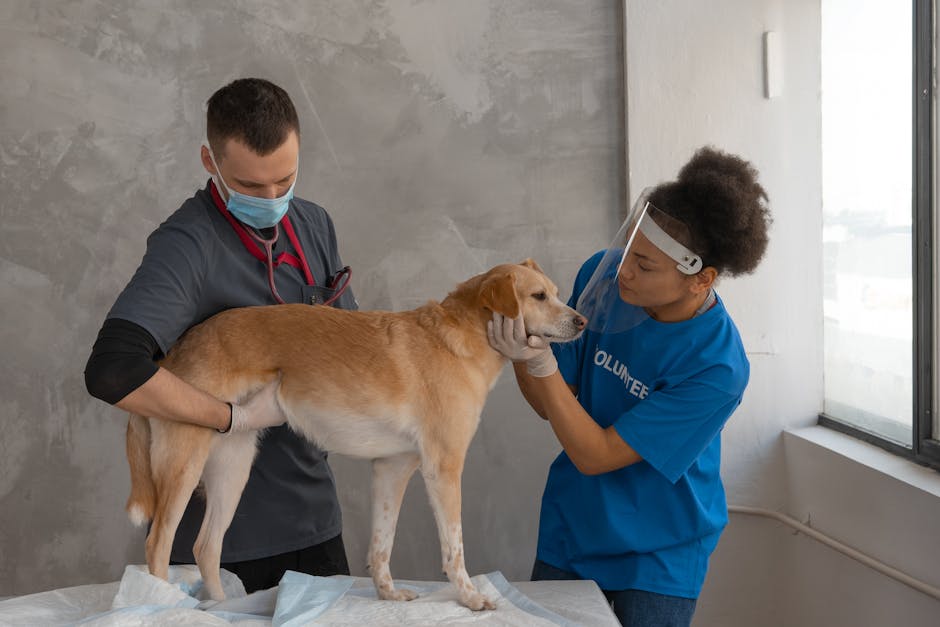
Why Is It Important to Insure Your Puppy Early?
Bringing home a new puppy is an exciting time, but it also comes with responsibilities. One of the most crucial decisions you'll make is choosing Pet Insurance for Puppies Under One Year Best Plans. Insuring your puppy early ensures that any accidents or illnesses that arise during their first year are covered, preventing unexpected vet bills. Puppies are naturally curious and prone to mishaps—like swallowing foreign objects or contracting infections. Early insurance locks in lower premiums and covers pre-existing conditions before they develop. Furthermore, many policies offer wellness add-ons that pay for vaccinations, spaying/neutering, and microchipping. Without coverage, a single emergency visit can cost hundreds or even thousands of dollars. Therefore, starting a policy within the first year is a smart financial move that gives you peace of mind.

What Should You Look for in a Puppy Insurance Plan?
When evaluating pet insurance for your puppy, several factors deserve close attention. Firstly, check the age limit for enrollment—most insurers allow puppies as young as eight weeks. Look for plans that cover congenital and hereditary conditions common to certain breeds, such as hip dysplasia in Labradors. Secondly, review the deductible and reimbursement levels. A lower deductible means higher monthly premiums, but can save you money if your puppy needs frequent care. Additionally, consider the annual coverage cap—some plans offer unlimited coverage, while others cap at $10,000. Furthermore, waiting periods vary; many insurers have a 14-day waiting period for illnesses but cover accidents immediately. You'll also want to see if the plan includes routine wellness care for vaccinations, deworming, and check-ups. Lastly, read customer reviews about claim processing times and customer service responsiveness. A high-quality plan balances affordability with comprehensive protection.
Which Are the Best Pet Insurance Plans for Puppies Under One Year?
We've analyzed the top providers on the market to help you choose the best coverage. Below is a comparison table of three leading plans specifically suited for puppies under one year.
| Plan | Monthly Premium (Puppy) | Deductible | Reimbursement | Annual Limit | Wellness Add‑on | Rating |
|---|---|---|---|---|---|---|
| Healthy Paws | $35–$55 | $100–$500 | 70%–90% | Unlimited | No | 4.8 / 5 |
| Trupanion | $40–$60 | $0–$1,000 | 90% | Unlimited | Yes (extra cost) | 4.6 / 5 |
| Embrace | $30–$50 | $200–$1,000 | 70%–90% | $10,000–Unlimited | Yes (included) | 4.5 / 5 |
Healthy Paws
Healthy Paws offers unlimited lifetime coverage with no caps on annual or per‑incident payouts. Their policy covers accidents, illnesses, cancer, and hereditary conditions—ideal for puppies with breed‑specific risks. However, they do not provide a standard wellness plan, so you would have to pay for vaccinations out‑of‑pocket. The 15‑day waiting period for illnesses is standard. Customer satisfaction is high due to fast claim processing.
Trupanion
Trupanion stands out with a 90% reimbursement rate after the deductible is met. They cover all conditions (including breed‑related) and have a unique “lifetime per‑condition deductible,” meaning once you pay the deductible for a specific condition, it's never charged again. Their optional Recovery & Complementary Care rider covers alternative therapies. Premiums can be slightly higher, but the coverage is thorough.
Embrace
Embrace offers flexible deductible and reimbursement options, plus a built‑in wellness rewards program that reimburses up to $650 per year for routine care. They also provide a 10% discount for insuring multiple pets. Their diminishing deductible feature reduces your deductible by $50 each year you don't file a claim. This plan is excellent for budget‑conscious owners who want both accident‑illness and wellness coverage in one.
What Are the Pros and Cons of Insuring a Puppy Under One Year?
Insuring your puppy very early comes with distinct advantages and a few drawbacks.
Pros
- Lower premiums: Puppies are cheaper to insure than older dogs because they have fewer pre‑existing conditions.
- No breed exclusions: Most insurers will accept any breed at puppy age, even those prone to hereditary issues.
- Coverage for early accidents: Puppies are notorious for eating socks or falling, and insurance covers these mishaps.
- Wellness benefits: Many plans include routine care that offsets the cost of first‑year vaccinations and spay/neuter.
- Lock in rates: Once enrolled, your premium remains based on the puppy's age, even as they grow older.
Cons
- Premiums are not refundable: If your puppy stays perfectly healthy, you may pay more than you receive in benefits.
- Waiting periods: Most policies require a 14‑day wait for illness coverage, so immediate health issues may not be covered.
- Wellness add‑ons cost extra: Separate plans for routine care can increase the monthly bill by $15–$25.
- Annual caps: Some lower‑cost plans limit annual payouts, which might not cover a major surgery.
Overall, the pros far outweigh the cons for most owners, especially those with active or purebred puppies.
How Much Does Puppy Insurance Cost on Average?
The cost of insuring a puppy under one year varies based on breed, location, and coverage level. Below is a sample breakdown for a mixed‑breed puppy (approx. 8 weeks old) with a $250 deductible and 80% reimbursement.
| Coverage Type | Average Monthly Premium |
|---|---|
| Accident & Illness only | $35 – $45 |
| Accident & Illness + Wellness add‑on | $50 – $65 |
| Accident only | $15 – $25 |
Additionally, breed matters: a Great Dane puppy might cost 20% more than a Chihuahua due to higher risk of musculoskeletal issues. Location also plays a role—urban areas with higher veterinary costs lead to slightly higher premiums. However, these prices are still relatively low compared to what a single emergency visit could cost.
What Are Common Questions About Puppy Insurance?
Many new pet parents have similar doubts. Here are answers to some frequently asked questions:
- Can I get insurance for a puppy with a pre‑existing condition? No, most insurers exclude pre‑existing conditions. That's why it's crucial to enroll before any health issues arise.
- Does puppy insurance cover vaccinations? Often only if you purchase a wellness add‑on or a pet wellness plan separately.
- Are hereditary conditions covered? Many plans cover them, but some have exclusions for specific breeds. Check policy details.
- Can I use any veterinarian? Most plans (except a few) allow you to visit any licensed vet in the US or Canada.
- What is the best age to insure a puppy? As soon as you bring them home—typically between 8 and 12 weeks old.
If you have additional questions, researching individual provider FAQ pages can help.
Conclusion
Choosing Pet Insurance for Puppies Under One Year Best Plans is a proactive step toward ensuring your furry friend gets the best care without financial strain. After comparing top providers, Healthy Paws leads with unlimited coverage and strong ratings, while Embrace offers excellent value with its built‑in wellness rewards. Trupanion is ideal for owners who want high reimbursement and a per‑condition deductible. Remember to start your policy early to save money and avoid exclusions. Review each plan's specific terms and choose one that fits your puppy's breed, your budget, and your peace‑of‑mind requirements.