
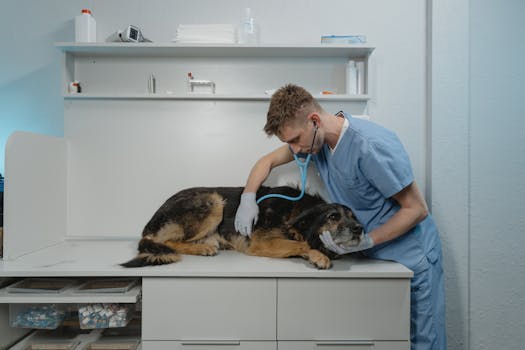
When your beloved pet receives a cancer diagnosis, the emotional impact is overwhelming. The financial burden of treatment—often ranging from thousands to tens of thousands of dollars—adds another layer of stress. That's why understanding cancer treatment coverage in pet insurance plans is essential for proactive pet parents. A comprehensive pet insurance policy can make the difference between pursuing aggressive therapies and making heart-wrenching cost-based decisions. In this guide, we break down exactly what cancer coverage looks like, what to watch for, and how to choose the best plan for your furry family member.
Understanding Cancer Treatment Costs for Pets
Cancer is one of the most common serious illnesses in dogs and cats, especially as they age. The cost of diagnosis and treatment varies widely depending on the type of cancer, stage, and chosen therapies. For example, a simple biopsy and histopathology may cost $500–$1,000, while surgery, chemotherapy, and radiation therapy can easily exceed $10,000. Moreover, advanced treatments like immunotherapy or targeted drugs may add several thousand more. Without insurance, these expenses can deplete savings or force difficult choices. However, a well-designed pet insurance plan that covers cancer can reimburse 70%–90% of eligible costs, giving you the freedom to focus on your pet's recovery rather than the bill.
How Pet Insurance Covers Cancer Treatments
Most standard accident-and-illness policies include cancer as a covered condition. However, the extent of coverage depends on whether your plan is a comprehensive policy or a basic one. Here's a breakdown of what typical cancer coverage includes:
- Diagnostic tests: X-rays, ultrasounds, CT scans, MRIs, blood work, and biopsies
- Surgical procedures: Tumor removal, mastectomies, and reconstructive surgery
- Chemotherapy and radiation therapy: Both conventional and advanced protocols
- Prescription medications: Pain relievers, anti-nausea drugs, and targeted therapies
- Hospitalization and supportive care: IV fluids, blood transfusions, and monitoring
Additionally, many insurers offer riders or add-ons specifically for alternative therapies such as acupuncture, hydrotherapy, or holistic treatments, which can complement conventional cancer care. It's important to read the policy details carefully, as some plans cap annual or lifetime payouts per condition.
Types of Cancer Treatments Typically Covered
Surgery
Surgery remains the most common first-line treatment for solid tumors. Most pet insurance plans cover the cost of tumor excision, including anesthesia, surgical supplies, and post-operative hospitalization. However, if the surgery is considered cosmetic or elective (e.g., removal of a benign lipoma that isn't causing problems), coverage may be declined.
Chemotherapy and Radiation
Chemotherapy and radiation are often covered, but policies may have limits on the number of sessions or total dollar amount. Some insurers require pre-authorization for these high-cost treatments. Furthermore, you should check if the plan covers the actual administration costs, the drugs, and follow-up imaging to assess response.
Immunotherapy and Targeted Therapy
Newer treatments like canine melanoma vaccines or targeted kinase inhibitors are gaining popularity. While many major insurers now cover these therapies, they may be listed under a separate “advanced treatment” category with higher reimbursement rates. Always confirm explicit inclusion in the policy wording.
Factors Affecting Coverage: Pre-Existing Conditions and Waiting Periods
The single most important factor determining cancer coverage is whether the condition is considered pre-existing. If your pet shows symptoms or receives a diagnosis before the policy's effective date, that cancer will not be covered—and often any related secondary illnesses are also excluded. Furthermore, even if your pet is healthy when you sign up, most policies impose a waiting period (typically 14–30 days) before illness coverage kicks in. During this window, any cancer diagnosis will be treated as a pre-existing condition.
To avoid gaps in coverage:
- Enroll your pet as early as possible—ideally before age 2 or 3, when cancer risk begins to rise.
- Opt for shorter waiting periods if available, though this may increase monthly premiums.
- Maintain continuous coverage without lapses, because a break could reset the pre-existing condition clock.
Additionally, some insurers offer “hereditary and congenital condition coverage” that may include cancer-prone breeds. If you own a Golden Retriever, Boxer, or Bernese Mountain Dog, look for plans that explicitly mention hereditary cancer risks.
Tips for Choosing a Pet Insurance Plan with Cancer Coverage
Not all plans are created equal when it comes to cancer. Follow these actionable steps to secure the best coverage for your pet:
- Compare annual and lifetime limits. Lower per-condition caps (e.g., $5,000) may run out quickly if your pet needs multiple rounds of chemotherapy. Aim for plans with at least $10,000–$15,000 per year or unlimited coverage.
- Check the reimbursement percentage. While 90% sounds attractive, premiums are higher. A 70% or 80% plan with a low deductible may be more affordable long-term.
- Look for “no exclusions for chronic conditions.” Some policies limit coverage for chronic illnesses; ensure cancer is covered without time or dollar restrictions.
- Read the fine print on clinical trials. If your vet recommends an experimental treatment, is it covered? A growing number of insurers now include clinical trial expenses.
- Review customer service ratings for claim processing. Cancer treatment is urgent; you need an insurer that pays claims quickly—ideally within 7–14 days.
By following these tips, you can avoid purchasing a policy that seems affordable but leaves you underinsured when cancer strikes.
Common Exclusions and Limitations
Even the best pet insurance plans have exclusions you need to know. Here are typical limitations related to cancer coverage:
- Pre-existing conditions: Any cancer signs, symptoms, or diagnosis before the policy start or waiting period.
- Bilateral conditions: If your pet has hip dysplasia or a knee issue on one side, the other side may be excluded; this same logic can apply to certain cancers (e.g., mammary tumors).
- Alternative therapies: Acupuncture, herbal medicine, and CBD treatments are often excluded unless you add a wellness rider.
- Cosmetic procedures: Reconstructive surgery after tumor removal may be considered cosmetic if not medically necessary.
- Annual or lifetime payout caps: Once you hit the limit, you're responsible for all remaining costs.
Always request a sample policy document before purchasing. Look for the specific word “cancer” in the list of covered conditions.
How to File a Claim for Cancer Treatment
Filing a claim for cancer treatment mirrors other illness claims but requires more documentation. Follow these steps to maximize your reimbursement:
- Notify your insurer within 24 hours of diagnosis—many companies have a pre-authorization process for expensive treatments.
- Collect all medical records: Vet notes, diagnostic reports, pathology results, and treatment plans.
- Submit itemized invoices that clearly separate exam fees, procedures, medications, and labs.
- Include proof of payment (receipts or credit card statements).
- File electronically through the insurer's app or portal for faster processing.
If your claim is denied, you have the right to appeal. Provide additional evidence such as a second opinion from a veterinary oncologist or a letter explaining why the treatment was medically necessary.
Conclusion
Cancer treatment is one of the most costly veterinary expenses, but with the right pet insurance plan, you can protect both your pet's health and your finances. Remember to enroll early, understand waiting periods, and choose a policy with robust cancer coverage—including surgery, chemotherapy, and advanced therapies. By taking the time to compare plans and read the fine print, you'll be prepared if the unthinkable happens. Don't wait until a diagnosis occurs; start exploring pet insurance options today and give yourself the peace of mind that comes with knowing your companion can get the care they deserve.