
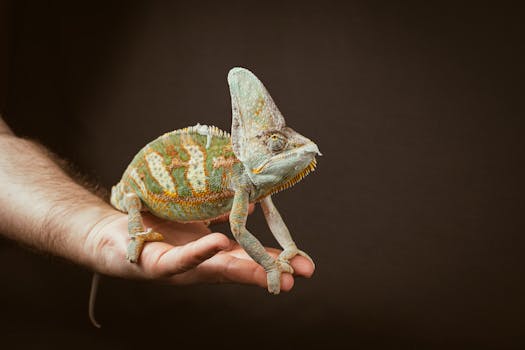
If you share your home with a feathered friend, a scaly companion, or a tiny furball like a guinea pig, you already know that their health needs are unique. Standard pet insurance often excludes these extraordinary animals, which is why specialized pet insurance for exotic pets is becoming increasingly important. Whether you own a parrot, a bearded dragon, or a ferret, unexpected veterinary bills can quickly escalate into thousands of dollars. This comprehensive guide will walk you through everything you need to know about insuring birds and small animals so you can make an informed decision and protect your beloved pet.
Why Exotic Pets Need Insurance
Exotic pets have complex medical requirements that often require specialized veterinarians. Unlike cats and dogs, birds and small mammals can hide illness until it becomes severe, leading to costly emergency visits. Additionally, many exotic species are prone to species-specific conditions such as respiratory infections in guinea pigs, egg binding in birds, or metabolic bone disease in reptiles. Veterinary care for these issues can range from $200 for a basic exam to over $2,000 for surgery. Without insurance, pet owners may face difficult financial choices. Furthermore, exotic pet insurance typically covers diagnostics, hospitalization, surgeries, and medications. However, it is crucial to understand that not all policies are created equal. Comparing coverage limits, waiting periods, and exclusions will help you find a plan that genuinely protects your unique companion.
Common Exotic Pets Covered by Insurance
Most insurers that offer coverage for non-traditional pets divide their policies into categories. The following are frequently covered species:
- Birds: Parrots, cockatiels, finches, canaries, and lovebirds.
- Small Mammals: Rabbits, guinea pigs, hamsters, gerbils, rats, and ferrets.
- Reptiles: Bearded dragons, leopard geckos, ball pythons, turtles, and tortoises.
- Amphibians: Frogs, toads, and newts (though coverage is less common).
Before purchasing a policy, verify that your specific species is included. Some providers also cover hedgehogs, sugar gliders, and chinchillas. If your pet is a hybrid or a rare species, you may need to contact the insurer directly. Additionally, age restrictions often apply—many companies will not insure pets younger than 8 weeks or older than 8–10 years.
What to Look for in a Pet Insurance Policy for Exotics
Choosing the right plan requires careful evaluation of several factors. Here is a checklist of key features to consider:
- Coverage for diagnostics: Ensure the policy includes X-rays, blood work, and ultrasound, as these are common diagnostic tools.
- Annual and lifetime limits: Look for policies with no per-incident caps and a lifetime maximum of at least $10,000 to $20,000.
- Waiting periods: Most policies have a 14- to 30-day waiting period for illnesses; some may have longer waits for certain conditions.
- Exclusions: Pre-existing conditions, congenital defects, and routine wellness care are often excluded. However, some insurers offer optional wellness add-ons.
- Reimbursement model: Choose between a percentage of the vet bill (usually 70–90%) or a set benefit schedule (a fixed amount per condition).
Moreover, check whether the policy covers exotic-specific treatments such as microchipping, beak trimming, or nail clipping. Transition words like "additionally" and "however" help you compare options. Always read the fine print regarding territorial coverage—some policies only cover incidents within the United States.
Top Providers of Exotic Pet Insurance
While the market is smaller than for dogs and cats, several reputable companies offer exotic pet insurance. Nationwide is the most well-known, with its Whole Pet with Wellness plan covering birds, small mammals, and reptiles. It offers 90% reimbursement after a $250 deductible, but it requires a veterinary exam within the first 14 days of coverage. Another option is Petplan (now part of Fetch by The Dodo), which covers birds and small mammals but excludes reptiles. For rodents and rabbits, Embrace Pet Insurance provides accident-only coverage. Additionally, specialized companies like ExoticPetInsurance.com and Pets Best may offer tailored plans. Price points vary—expect monthly premiums from $10 for a hamster to $50 for a large parrot. Always request a sample policy document before enrolling.
How to Choose the Best Plan for Your Bird or Small Animal
Start by assessing your pet's risk factors. For example, birds that are allowed out of their cage may face accidents like flying into windows, while guinea pigs housed on wire floors risk foot infections. If your pet is older, consider a plan with no age limit. Next, compare at least three quotes from different insurers, paying close attention to what is excluded. Many policies do not cover breeding-related issues or cosmetic procedures. Furthermore, look for a plan that covers specialist referrals, as exotic vets are often classified as specialists. You can also ask your veterinarian for a list of insurance companies they commonly work with—this ensures smooth direct payments. Finally, don't forget to factor in the deductible: a higher deductible lowers your monthly premium but increases out-of-pocket costs during a claim.
Tips for Filing a Successful Insurance Claim
When an emergency arises, knowing how to file a claim can save you time and stress. First, keep all medical records organized, including receipts, diagnosis codes, and veterinary reports. Most insurers require a completed claim form along with an itemized invoice. Submit the claim online or via email within 30 days of treatment. Second, if your policy offers direct payment to the vet, verify that your clinic participates in that network—otherwise, you will have to pay upfront and wait for reimbursement. Third, be honest about your pet's pre-existing conditions; attempting to hide them can result in claim denial or policy cancellation. Lastly, if a claim is denied, request a written explanation and consider appealing with supporting documentation from your vet. Proactive communication with the insurance company can often resolve disputes.
Conclusion
Investing in pet insurance for exotic pets is not just a financial safety net—it is a commitment to providing your bird or small animal with the best possible care. By understanding the unique needs of exotic species, evaluating policy features, and choosing a reputable provider, you can enjoy peace of mind knowing that medical emergencies won't derail your budget. Remember to review your policy annually as your pet ages and as coverage options evolve. With the right plan in place, you can focus on the joy your unusual companion brings rather than worrying about unexpected vet bills. Start comparing quotes today and give your pet the protection they deserve.