

Nutrition

Cat Hydration Guide How to Get Cats to Drink More Water

Cat Hydration Guide How to Get Cats to Drink More Water

Cats are notorious for being finicky drinkers, which can lead to serious health issues if they don't consume enough water. Understanding how to get cats to drink more water is essential for preventing dehydration and supporting kidney function. In this step-by-step guide, we'll explore practical strategies to encourage your feline friend to stay hydrated, from choosing the right water source to incorporating moisture-rich foods. Whether you have a kitten or a senior cat, these tips will help ensure your pet thrives.
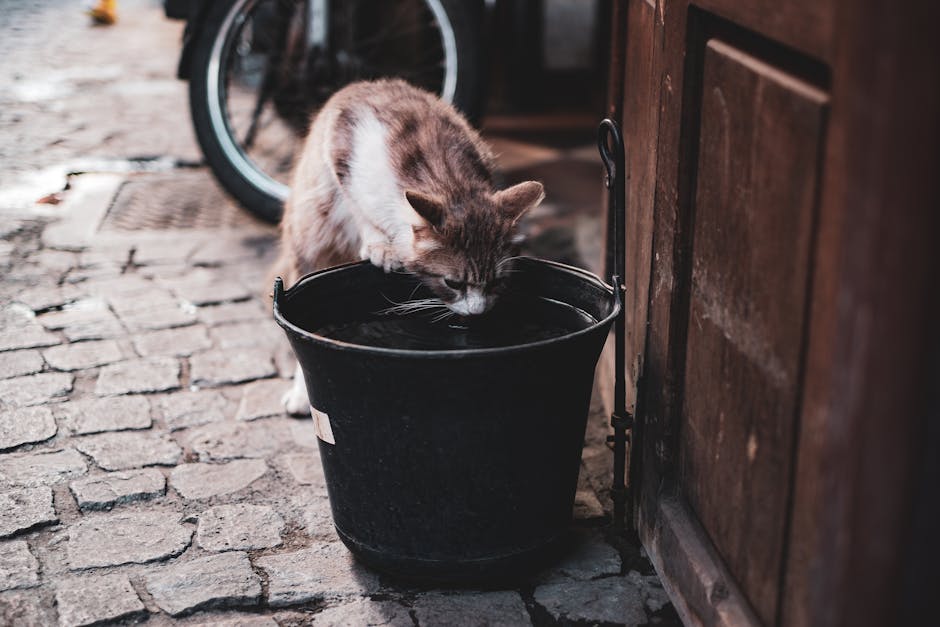
1. Why Is Hydration Important for Cats?

1. Why Is Hydration Important for Cats?

Water is vital for nearly every bodily function in cats, including digestion, circulation, and temperature regulation. Adequate hydration helps flush toxins from the kidneys, prevents urinary tract infections, and maintains healthy skin and coat. Without sufficient water, cats can quickly become dehydrated, leading to lethargy, loss of appetite, and even organ damage. Additionally, dehydration is a common cause of bladder crystals and stones, which can be painful and require emergency veterinary care. By prioritizing hydration, you reduce the risk of chronic conditions like kidney disease and diabetes. Cats naturally have a low thirst drive because their ancestors obtained moisture from prey. However, modern indoor cats often rely on dry food, which contains only 10% moisture, making it even more critical to encourage drinking.

2. How Much Water Should a Cat Drink Daily?

2. How Much Water Should a Cat Drink Daily?

The amount of water a cat needs depends on weight, diet, and activity level. A general rule is that cats should consume about 60–80 ml of water per kilogram of body weight (approximately 1 ounce per pound). For example, a 4.5 kg (10 lb) cat needs roughly 270–360 ml daily. If your cat eats wet food, which is about 70–80% water, they may get most of their hydration from meals. Conversely, cats on dry food need additional water from drinking. Monitor your cat's water intake by measuring how much you pour into their bowl and checking leftover amounts. Signs that your cat is drinking enough include clear urine, normal skin elasticity, and regular urination. If you suspect your cat is drinking too little, try the tips below.

3. What Are the Best Ways to Increase Your Cat's Water Intake?

Boosting your cat's hydration can be simple and effective. Start by offering multiple water sources around the house, especially in quiet areas away from food and litter boxes. Many cats prefer running water, so a pet water fountain can be a game-changer. Similarly, adding a small amount of low-sodium chicken broth (without onions or garlic) to their water can entice them. Another highly effective method is incorporating wet food into their diet. Even mixing a little water into dry kibble can make a difference. For cats that are stubborn, consider using a syringe (without needle) to gently offer water, but do so carefully to avoid aspiration. Below are key tips to implement today:

  • Place multiple water bowls in different rooms (stainless steel or ceramic, not plastic).
  • Use a cat water fountain to simulate natural streams.
  • Switch to high-moisture wet food or add water to dry food.
  • Offer flavored ice cubes (from low-sodium broth) as a treat.
  • Try different bowl shapes and materials to see what your cat prefers.

4. How Can You Make Water More Appealing to Your Cat?

Even with the right strategies, cats may still turn up their noses at water. Fortunately, you can tweak several factors to increase appeal. First, water temperature matters: many cats prefer cool, fresh water over stale, warm water. Change the water at least twice a day and rinse bowls thoroughly to remove any residue. Second, bowl placement is crucial. Avoid placing bowls near litter boxes or high-traffic areas, as cats feel vulnerable when drinking. Some cats dislike the reflection from shiny bowls or the taste of plastic; try switching to glass or stainless steel. Additionally, consider adding a teaspoon of tuna juice (packed in water, not oil) to the water bowl occasionally. This subtle flavor can encourage lapping without adding excessive sodium. Observe your cat's response and adjust accordingly.

5. What Are the Risks of Dehydration in Cats?

Chronic dehydration can lead to severe health problems beyond just thirst. The most common risks include kidney disease, urinary tract infections, bladder stones, and constipation. In advanced cases, dehydration can cause electrolyte imbalances, leading to weakness, seizures, or even kidney failure. Cats with pre-existing conditions like diabetes or hyperthyroidism are especially vulnerable. Watch for early signs: dry gums, sunken eyes, lethargy, and loss of appetite. You can test skin tenting by gently pinching the skin at the back of the neck; if it doesn't spring back quickly, your cat may be dehydrated. If you notice any of these symptoms, contact your veterinarian immediately. Preventive hydration is far easier than treating the consequences.

6. When Should You Consult a Veterinarian About Cat Hydration?

If you've tried multiple techniques and your cat still refuses to drink, or if you observe concerning symptoms like vomiting, diarrhea, or extreme lethargy, it's time to seek professional advice. A veterinarian can assess for underlying medical issues such as kidney disease, dental problems, or infections that may affect drinking behavior. They may recommend subcutaneous fluids, appetite stimulants, or a special diet to ensure hydration. Additionally, sudden changes in drinking habits—either increased or decreased—warrant a checkup. For kittens or senior cats, dehydration can escalate quickly. Don't wait until your cat shows severe signs; early intervention is key. Remember, your vet is your partner in keeping your cat healthy.

Conclusion
Ensuring your cat drinks enough water is a simple yet powerful way to support their long-term health. By understanding their hydration needs, providing appealing water sources, and monitoring their behavior, you can prevent dehydration and related illnesses. Start with one or two changes today, such as adding a fountain or switching to wet food, and observe how your cat responds. Your efforts will pay off with a happier, healthier feline companion.

Share: Facebook Twitter Pinterest

SWT Pal Pet

Pet Care Expert

Expert in pet care with years of experience helping pet owners make informed decisions about their furry friends.

← Previous Coconut Oil for Dogs Benefits Uses and Dosage Next → Kelp and Seaweed Supplements for Dogs Benefits Explained
We use cookie to improve your online experience. By continuing to browse this website, you agree to our use of cookie.

Cookies

Please read our Terms and Conditions and this Policy before accessing or using our Services. If you cannot agree with this Policy or the Terms and Conditions, please do not access or use our Services. If you are located in a jurisdiction outside the European Economic Area, by using our Services, you accept the Terms and Conditions and accept our privacy practices described in this Policy.
We may modify this Policy at any time, without prior notice, and changes may apply to any Personal Information we already hold about you, as well as any new Personal Information collected after the Policy is modified. If we make changes, we will notify you by revising the date at the top of this Policy. We will provide you with advanced notice if we make any material changes to how we collect, use or disclose your Personal Information that impact your rights under this Policy. If you are located in a jurisdiction other than the European Economic Area, the United Kingdom or Switzerland (collectively “European Countries”), your continued access or use of our Services after receiving the notice of changes, constitutes your acknowledgement that you accept the updated Policy. In addition, we may provide you with real time disclosures or additional information about the Personal Information handling practices of specific parts of our Services. Such notices may supplement this Policy or provide you with additional choices about how we process your Personal Information.


Cookies

Cookies are small text files stored on your device when you access most Websites on the internet or open certain emails. Among other things, Cookies allow a Website to recognize your device and remember if you've been to the Website before. Examples of information collected by Cookies include your browser type and the address of the Website from which you arrived at our Website as well as IP address and clickstream behavior (that is the pages you view and the links you click).We use the term cookie to refer to Cookies and technologies that perform a similar function to Cookies (e.g., tags, pixels, web beacons, etc.). Cookies can be read by the originating Website on each subsequent visit and by any other Website that recognizes the cookie. The Website uses Cookies in order to make the Website easier to use, to support a better user experience, including the provision of information and functionality to you, as well as to provide us with information about how the Website is used so that we can make sure it is as up to date, relevant, and error free as we can. Cookies on the Website We use Cookies to personalize your experience when you visit the Site, uniquely identify your computer for security purposes, and enable us and our third-party service providers to serve ads on our behalf across the internet.

We classify Cookies in the following categories:
 ●  Strictly Necessary Cookies
 ●  Performance Cookies
 ●  Functional Cookies
 ●  Targeting Cookies


Cookie List
A cookie is a small piece of data (text file) that a website – when visited by a user – asks your browser to store on your device in order to remember information about you, such as your language preference or login information. Those cookies are set by us and called first-party cookies. We also use third-party cookies – which are cookies from a domain different than the domain of the website you are visiting – for our advertising and marketing efforts. More specifically, we use cookies and other tracking technologies for the following purposes:

Strictly Necessary Cookies
These cookies are necessary for the website to function and cannot be switched off in our systems. They are usually only set in response to actions made by you which amount to a request for services, such as setting your privacy preferences, logging in or filling in forms. You can set your browser to block or alert you about these cookies, but some parts of the site will not then work. These cookies do not store any personally identifiable information.

Functional Cookies
These cookies enable the website to provide enhanced functionality and personalisation. They may be set by us or by third party providers whose services we have added to our pages. If you do not allow these cookies then some or all of these services may not function properly.

Performance Cookies
These cookies allow us to count visits and traffic sources so we can measure and improve the performance of our site. They help us to know which pages are the most and least popular and see how visitors move around the site. All information these cookies collect is aggregated and therefore anonymous. If you do not allow these cookies we will not know when you have visited our site, and will not be able to monitor its performance.

Targeting Cookies
These cookies may be set through our site by our advertising partners. They may be used by those companies to build a profile of your interests and show you relevant adverts on other sites. They do not store directly personal information, but are based on uniquely identifying your browser and internet device. If you do not allow these cookies, you will experience less targeted advertising.

How To Turn Off Cookies
You can choose to restrict or block Cookies through your browser settings at any time. Please note that certain Cookies may be set as soon as you visit the Website, but you can remove them using your browser settings. However, please be aware that restricting or blocking Cookies set on the Website may impact the functionality or performance of the Website or prevent you from using certain services provided through the Website. It will also affect our ability to update the Website to cater for user preferences and improve performance. Cookies within Mobile Applications

We only use Strictly Necessary Cookies on our mobile applications. These Cookies are critical to the functionality of our applications, so if you block or delete these Cookies you may not be able to use the application. These Cookies are not shared with any other application on your mobile device. We never use the Cookies from the mobile application to store personal information about you.

If you have questions or concerns regarding any information in this Privacy Policy, please contact us by email at . You can also contact us via our customer service at our Site.