
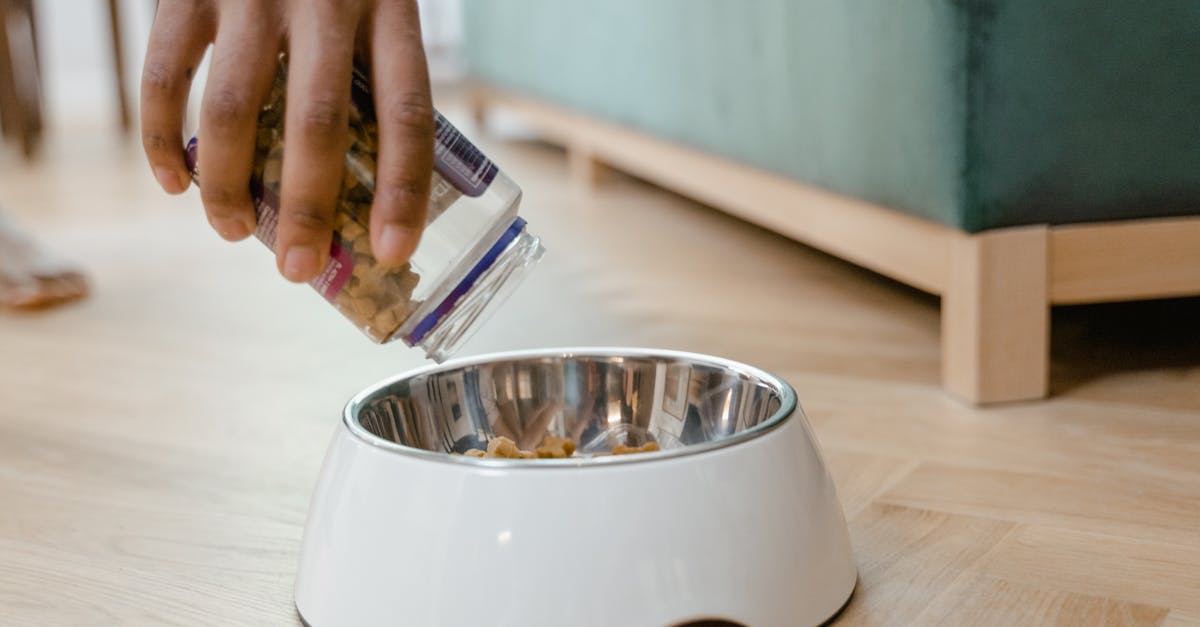
Probiotics — live beneficial microorganisms — have become one of the most popular supplements for dogs. The gut microbiome's role in immunity, digestion, and even behavior is increasingly recognized, and targeted probiotic therapy has genuine clinical evidence behind it. But the market is flooded with products making unsubstantiated claims, and not all probiotics are created equal.
How Probiotics Work in Dogs
The canine gut contains trillions of bacteria that form a complex ecosystem (the microbiome). Beneficial bacteria:
- Compete with pathogenic bacteria for resources and attachment sites
- Produce short-chain fatty acids that nourish intestinal cells
- Modulate immune function (70-80% of the immune system is gut-associated)
- Produce vitamins and aid nutrient absorption
- Influence serotonin production (the gut-brain axis)
When Probiotics Are Most Beneficial
- During/after antibiotic therapy: Antibiotics kill beneficial bacteria alongside pathogens. Probiotics help restore gut balance. Give probiotics 2+ hours after antibiotic dose to avoid immediate killing.
- Stress-related diarrhea: Boarding, travel, new home, schedule changes — stress disrupts the microbiome. Probiotics stabilize gut function.
- Dietary transitions: New food introduces different nutrients that shift bacterial populations. Probiotics ease the transition.
- Chronic GI issues (IBD, IBS): Adjunct to medical management. Evidence supports improvement in stool quality and symptom frequency.
- Immune support: Puppies and senior dogs may benefit from microbiome optimization.
Best Probiotic Products for Dogs
| Product | Key Strain | Evidence Level | Form | Cost/Month |
|---|---|---|---|---|
| Purina FortiFlora | Enterococcus faecium SF68 | Strong — multiple studies | Powder sachets | $25-$35 |
| Visbiome Vet | 8-strain high-potency blend | Strong — human IBS data + vet studies | Capsules | $40-$60 |
| Proviable-DC | Multi-strain + prebiotics | Moderate | Capsules + paste | $20-$35 |
| Nutramax Proviable-KP | Kaolin-pectin + probiotics | Moderate | Paste (acute diarrhea) | $15-$25 |
What to Look for in a Probiotic
- Named strains: "Lactobacillus acidophilus NCFM" is better than just "Lactobacillus." Specific strains have specific evidence.
- CFU count: Colony-forming units — at least 1-10 billion CFU per dose for dogs
- Guaranteed at expiration: Many products guarantee CFU at manufacture but not at time of use. Live organisms die on the shelf.
- Proper storage: Some require refrigeration; others are shelf-stable. Follow label instructions.
- NASC quality seal: Third-party quality verification for pet supplements
Prebiotics vs. Probiotics
Prebiotics are non-digestible fibers that feed existing beneficial bacteria. Think of probiotics as adding new workers and prebiotics as feeding the workers already there. Common prebiotics in dog food: inulin, FOS (fructooligosaccharides), MOS (mannanoligosaccharides), beet pulp, and chicory root.
Synbiotics combine both — probiotics + prebiotics together. This approach may be more effective than either alone.
Frequently Asked Questions
Can I give my dog human probiotics?
Some human strains benefit dogs, but canine-specific products are preferred because they contain strains researched in dogs, at doses appropriate for dogs, in forms dogs tolerate. If using human probiotics, choose plain formulations without xylitol or artificial sweeteners.
How long should my dog take probiotics?
Situational use (antibiotics, stress): 2-4 weeks during and after the trigger. Chronic GI issues: ongoing, as maintenance. General wellness: evidence doesn't strongly support lifelong supplementation in healthy dogs on balanced diets, but it's unlikely to cause harm.