
What Is Parvo in Puppies and Why Is It So Dangerous?
If you've recently welcomed a new puppy into your home, the word parvo in puppies might already send a shiver down your spine. Canine parvovirus is a highly contagious and potentially fatal viral disease that attacks the gastrointestinal tract and, in some cases, the heart. Puppies under six months old are especially vulnerable because their immune systems are not fully developed. The disease spreads through direct contact with infected feces, contaminated surfaces, or even on people's clothing and shoes. Because the virus can survive in the environment for months, prevention is absolutely critical. Understanding the risks, recognizing symptoms early, and knowing survival rates can literally mean the difference between life and death for your furry friend.
How Does a Puppy Contract Parvo?
Parvo is shed in the feces of infected dogs, and a healthy puppy can catch it by sniffing or licking contaminated ground, kennels, bowls, leashes, or even the hands of someone who handled an infected dog. The virus enters through the mouth and begins replicating in the tonsils or lymph nodes, then spreads to the bloodstream, attacking rapidly dividing cells in the intestines and bone marrow. This leads to severe gastrointestinal damage and a drop in infection-fighting white blood cells. Importantly, the virus is stubborn – it can survive extreme temperatures and many common disinfectants. A puppy doesn’t need direct contact with another dog to get infected; simply walking in an area where an infected dog has been can be enough.
Common Sources of Infection
- Dog parks, sidewalks, and grassy areas where unvaccinated dogs have defecated
- Kennels, shelters, and pet stores with poor sanitation
- Contaminated food bowls, toys, and bedding
- Human clothing and shoes that have come into contact with the virus
Furthermore, puppies with incomplete vaccination schedules are at the highest risk. The maternal antibodies from their mother can interfere with early vaccinations, creating a window of vulnerability between weaning and the final booster. This is why breeders and veterinarians recommend a strict vaccination protocol.
What Are the Early Signs of Parvo in Puppies?
Early detection of parvo improves the chances of survival, so every puppy owner should be familiar with the warning signs. Symptoms typically appear within three to ten days after exposure. The first indication is often lethargy – your normally playful pup becomes tired, withdrawn, and loses interest in food. Then comes a fever, followed quickly by vomiting and diarrhea. The diarrhea is distinctive: it's often severe, foul-smelling, and may contain blood – sometimes described as having a “metallic” odor. Vomiting can be frequent, leading to rapid dehydration. As the disease progresses, the puppy may collapse due to low blood pressure and septic shock.
Key Symptoms to Watch For
- Severe lethargy and depression
- Loss of appetite – refusing food or water
- Vomiting (often multiple times)
- Bloody diarrhea (may be dark red or jelly-like)
- Dehydration (dry gums, sunken eyes, skin tenting)
- Fever or, in later stages, low body temperature (hypothermia)
However, not every puppy shows all these signs. Some may have a mild case initially, especially older puppies or those with partial immunity. But if your puppy shows even one of these symptoms, especially if they haven't completed their vaccinations, consider it a medical emergency. Parvo progresses incredibly fast – a puppy can go from seemingly healthy to critical in under 24 hours.
How Is Parvo Diagnosed and Treated?
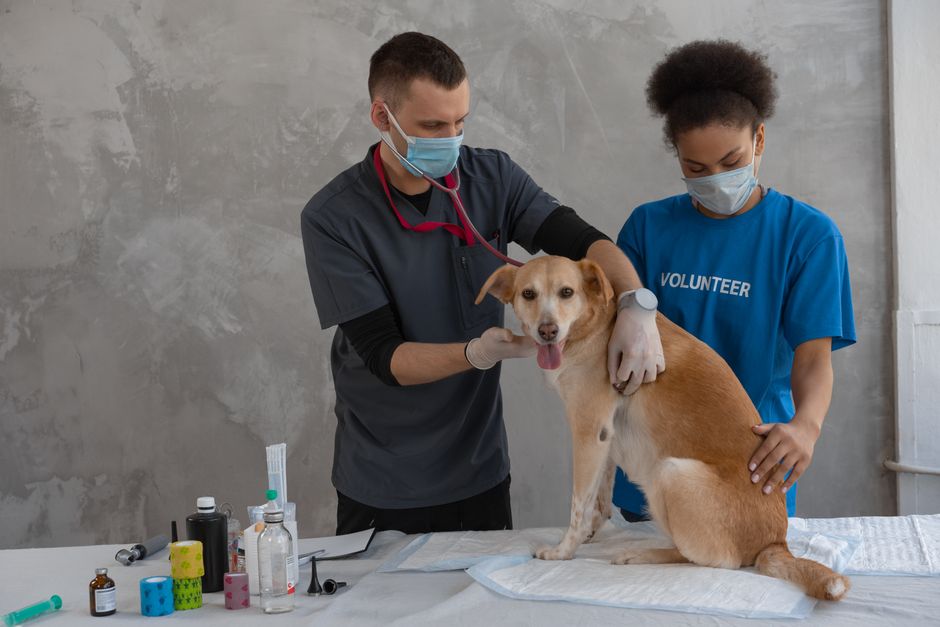
Veterinarians diagnose parvo using a combination of physical exam, history, and a fecal test that detects viral antigens. The test is quick and relatively affordable. If your puppy tests positive, immediate hospitalization is usually required. There is no specific cure for the parvovirus itself – treatment is intensive supportive care aimed at keeping the dog alive while their immune system fights the virus. This typically includes intravenous fluids to correct dehydration and electrolyte imbalances, antiemetics to control vomiting, antibiotics to prevent secondary bacterial infections, and nutritional support. In severe cases, plasma transfusions or immune boosters like interferon may be used. Puppies with severe gastrointestinal damage may also require pain management.
Additionally, hospitalized puppies are isolated to prevent spreading the virus. The treatment duration is usually five to seven days, but some cases require longer stays. The cost can be substantial, ranging from $500 to several thousand dollars – which is why pet insurance is highly recommended for any puppy owner.
What Are the Survival Rates for Parvo in Puppies?
Survival rates for parvo in puppies have improved dramatically with modern veterinary care. Without treatment, the death rate is as high as 90%. However, with prompt and aggressive treatment, survival rates can exceed 80-90%. Factors that influence survival include the puppy's age (younger is riskier), overall health, vaccination status, how quickly treatment begins, and the strain of the virus. Puppies that are hospitalized and receive comprehensive care have the best chance. On the other hand, puppies that are very young, have severe vomiting and diarrhea with rapid dehydration, or low white blood cell counts have a poorer prognosis. The first 48 hours of treatment are the most critical – if a puppy can get through that period, the outlook often improves significantly.
| Factor | Impact on Survival |
|---|---|
| Early treatment (within 24 hours of symptoms) | Survival rate up to 90% |
| Delayed treatment (48+ hours) | Survival rate drops to 70% or lower |
| Unvaccinated puppy under 8 weeks | High risk of mortality |
| Hospitalization with IV fluids and antibiotics | Significantly improves outcome |
Nevertheless, even with treatment, some puppies develop long-term complications like chronic gastrointestinal issues or heart problems (especially in very young pups with cardiac form). That's why prevention remains the best strategy.
How Can You Prevent Parvo in Puppies?
Prevention is far more effective and less heartbreaking than treatment. The cornerstone of parvo prevention is vaccination. Puppies should receive their first parvo vaccine at 6-8 weeks of age, then booster shots every 2-4 weeks until they are 16-20 weeks old. After that, a booster is given at one year and every three years thereafter. However, until they have received all boosters (usually about two weeks after the final dose), they are not fully protected. During this vulnerable period, it's crucial to avoid high-risk areas.
Practical Prevention Tips
- Keep your puppy away from dog parks, sidewalks, and other areas where unknown dogs defecate until fully vaccinated.
- Avoid boarding, doggy daycare, or puppy classes that don't require proof of vaccination for all participants.
- Use a bleach solution (1 part bleach to 30 parts water) to disinfect floors, crates, and bowls – parvo is resistant to many cleaners.
- If you have visitors, ask them to wear clean shoes and wash hands before handling your puppy.
- Do not let your puppy sniff the feces of other dogs during walks.
- Consider pet insurance early – it can cover a large portion of parvo treatment costs.
Furthermore, if you have a multi-dog household, isolate any new puppy until all vaccinations are complete and ensure adult dogs are up to date on their parvo boosters. The virus can be brought in on shoes, so change footwear and wash hands after visiting places where dogs might have been.
Can Adult Dogs Get Parvo?
While parvo is most common in puppies, adult dogs can also contract the disease, especially if they are unvaccinated or have weakened immune systems. However, adult dogs often have stronger immune systems and may show milder symptoms – some may not even appear ill. That said, an infected adult dog can still shed the virus and infect puppies. Therefore, keeping all dogs in the household vaccinated is essential for protecting the youngest members.
What Should You Do If You Suspect Parvo?
If your puppy shows any signs of parvo, act immediately. Do not wait to see if symptoms improve. Call your veterinarian and explain your concerns. Many clinics will ask you to bring your puppy in through a separate entrance to avoid contaminating the waiting room. Do not attempt home remedies or treatments – they are ineffective and can delay life-saving care. While driving to the vet, keep the puppy calm and comfortable, and try to prevent vomiting or diarrhea from causing further stress. Remember, time is of the essence.
Final Thoughts on Parvo in Puppies
Parvo in puppies is a serious, frightening disease, but it is also one that can be prevented with responsible care. The combination of timely vaccination, environmental hygiene, and awareness of symptoms gives your puppy the best fighting chance. If the worst happens and your puppy does contract parvo, do not lose hope – with aggressive veterinary treatment, the majority of puppies survive and go on to live healthy lives. The bond you've built with your puppy is worth every effort. Arm yourself with knowledge, stay vigilant, and always prioritize prevention.