
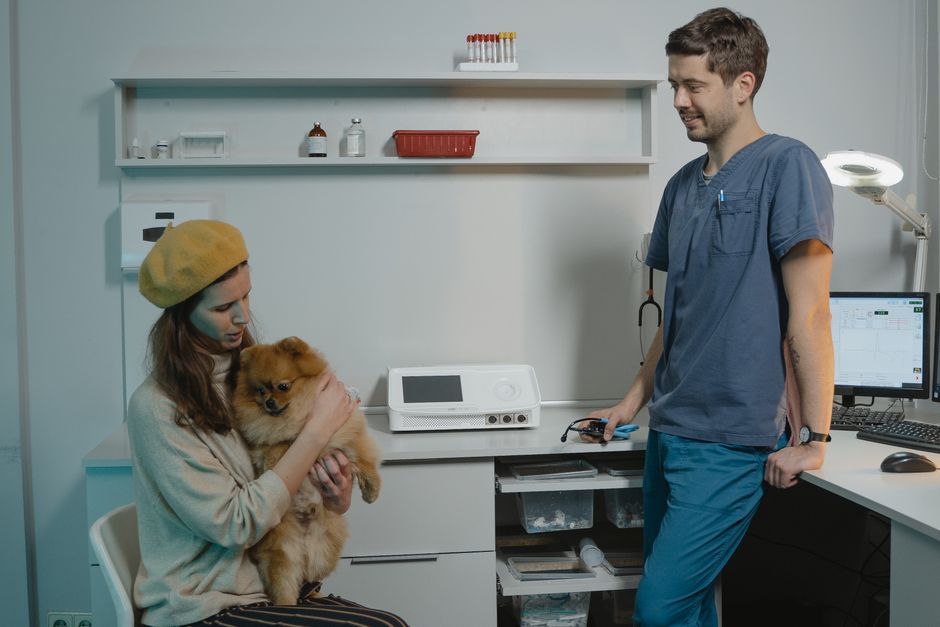
Welcome to your complete guide on dog dental disease prevention and professional cleaning guide. Taking care of your dog's oral health is crucial for their overall well-being. Dog dental disease is one of the most common health issues in canines, affecting up to 80% of dogs by age three. Without proper dog dental disease prevention and professional cleaning, your furry friend can suffer from pain, tooth loss, and even systemic infections. In this comprehensive guide, we'll cover everything you need to know to keep your dog's teeth and gums healthy.
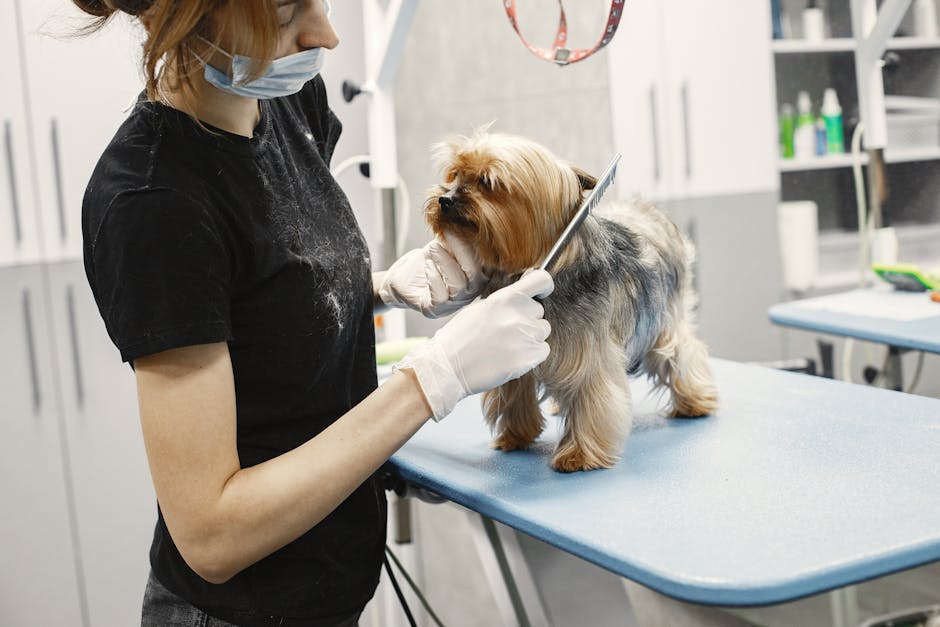
Why Is Dog Dental Health Important?
Dog dental health goes beyond fresh breath. Poor oral hygiene can lead to periodontal disease, which causes inflammation and infection in the gums. This condition can allow bacteria to enter the bloodstream, affecting the heart, kidneys, and liver. Additionally, dental pain can make eating difficult and reduce your dog's quality of life. Therefore, incorporating dental care into your pet's routine is essential. Furthermore, early prevention is far less expensive than treating advanced dental disease. Many pet owners overlook dental health until problems arise, but proactive care can save your dog from unnecessary discomfort.
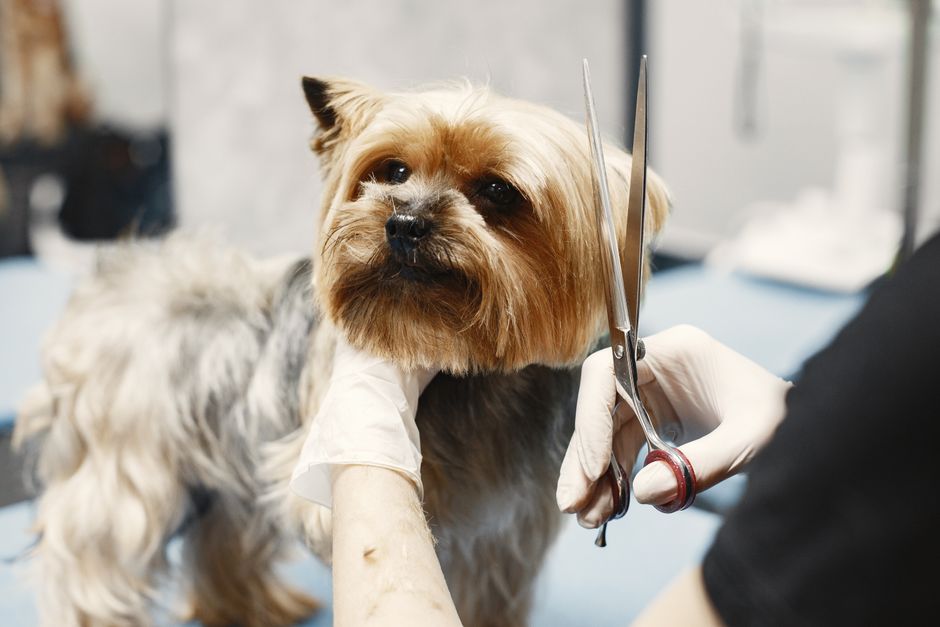
What Causes Dog Dental Disease?
Dog dental disease typically begins with plaque buildup – a sticky film of bacteria that forms on teeth. If not removed, plaque hardens into tartar within days. Tartar accumulates above and below the gum line, creating pockets where bacteria thrive. This process leads to gingivitis (gum inflammation) and eventually periodontitis (damage to supporting tissues). Several factors increase the risk:
- Breed predisposition: Small and toy breeds like Chihuahuas and Yorkshire Terriers are more prone due to crowded teeth.
- Age: Older dogs have more accumulated plaque and weaker immune systems.
- Diet: Soft foods don't provide abrasive cleaning that hard kibble might offer.
- Lack of dental care: Infrequent brushing or no professional cleanings accelerate disease.
Additionally, genetics play a role. Some dogs naturally produce more plaque or have immune responses that worsen gum disease. Understanding these causes helps you tailor prevention strategies.
How Can You Prevent Dog Dental Disease?
Preventing dog dental disease involves a multi-faceted approach. The foundation is regular brushing, but other tools and habits are also vital. Here are key prevention methods:
- Brush daily with a dog-specific toothpaste and soft-bristled brush. Aim for at least 3-4 times per week if daily isn't possible.
- Provide dental chews and toys that scrape plaque off teeth. Look for products with the Veterinary Oral Health Council (VOHC) seal.
- Use water additives or dental sprays that reduce bacteria and freshen breath.
- Feed a balanced diet with crunchy kibble or specially formulated dental diets.
- Schedule annual veterinary oral exams to catch early signs.
Furthermore, avoid giving sugary treats or table scraps, which promote plaque growth. Consistency is key – a few minutes of care each day can prevent months of treatment later.
What Are the Signs of Dental Problems in Dogs?
Recognizing symptoms early allows timely intervention. Common signs include:
- Bad breath (halitosis) – often the first indicator.
- Yellow or brown tartar on teeth, especially near the gum line.
- Red, swollen, or bleeding gums.
- Difficulty eating, dropping food, or chewing on one side.
- Pawing at the mouth or excessive drooling.
- Loose or missing teeth.
- Behavior changes like irritability or lethargy due to pain.
However, some dogs hide pain well. Regular checks at home can help. Gently lift your dog's lips and look for discoloration or inflammation. If you notice any of these signs, consult your veterinarian promptly.
When Should You Seek Professional Cleaning?
Professional dental cleaning under anesthesia is recommended when tartar has hardened below the gum line or when periodontal pockets exist. Your vet will assess the need based on:
- Grade of periodontal disease (0-4).
- Depth of gum pockets (probed with a dental probe).
- X-rays showing bone loss below the surface.
- Your dog's age, breed, and overall health.
Most dogs benefit from a professional cleaning every 1-2 years, but some may need it more frequently. Early stage disease often responds to non-surgical scaling, while advanced cases may require extractions or periodontal surgery. Don't delay – the longer you wait, the more invasive and costly the treatment becomes.
What Happens During a Professional Dental Cleaning?
A complete professional cleaning includes several steps performed under general anesthesia for safety and thoroughness. Here's what to expect:
- Pre-anesthetic exam and bloodwork to ensure your dog is healthy enough for anesthesia.
- Dental X-rays to evaluate tooth roots, bone, and hidden problems.
- Scaling and polishing: Using ultrasonic scalers and hand instruments to remove tartar above and below the gum line. Polishing smooths tooth surfaces to reduce plaque reattachment.
- Periodontal probing to measure pocket depths and assess disease severity.
- Fluoride or sealant application for added protection.
- Any necessary extractions if teeth are too damaged to save.
After the procedure, your dog will recover from anesthesia under careful monitoring. Your vet will provide post-care instructions, often including pain medication and a soft food diet for a few days.
How Often Should Dogs Have Professional Cleanings?
The frequency depends on individual risk factors. According to veterinary guidelines, most dogs should have a professional dental cleaning annually or biennially. However, small breeds or dogs with existing disease may need more frequent cleanings. Your vet can create a personalized schedule. Additionally, at-home care between cleanings significantly extends the benefits. Think of professional cleaning as a deep reset – it removes all tartar, but daily maintenance keeps it from returning. Consistency between visits is crucial for long-term success.
Are There Home Care Alternatives?
While professional cleanings are essential for advanced care, many home products can augment your efforts. Alternatives include:
- Dental wipes for dogs that resist brushing – they contain enzymatic agents.
- Dental diets (e.g., Hill's t/d, Royal Canin Dental) that mechanically clean teeth.
- Chew toys with ridges that reach back molars.
- Raw bones under supervision (but avoid weight-bearing bones that may crack teeth).
However, none of these replace the need for professional cleanings. They are supplementary tools. Always choose products with VOHC acceptance and consult your vet before starting new treatments.
In conclusion, dog dental disease prevention and professional cleaning guide highlights the importance of proactive oral care. By combining daily brushing, proper diet, veterinary check-ups, and timely professional cleanings, you can dramatically reduce your dog's risk of dental disease. Remember, healthy teeth contribute to a happy, long life for your canine companion. Start today – your dog's smile will thank you!