
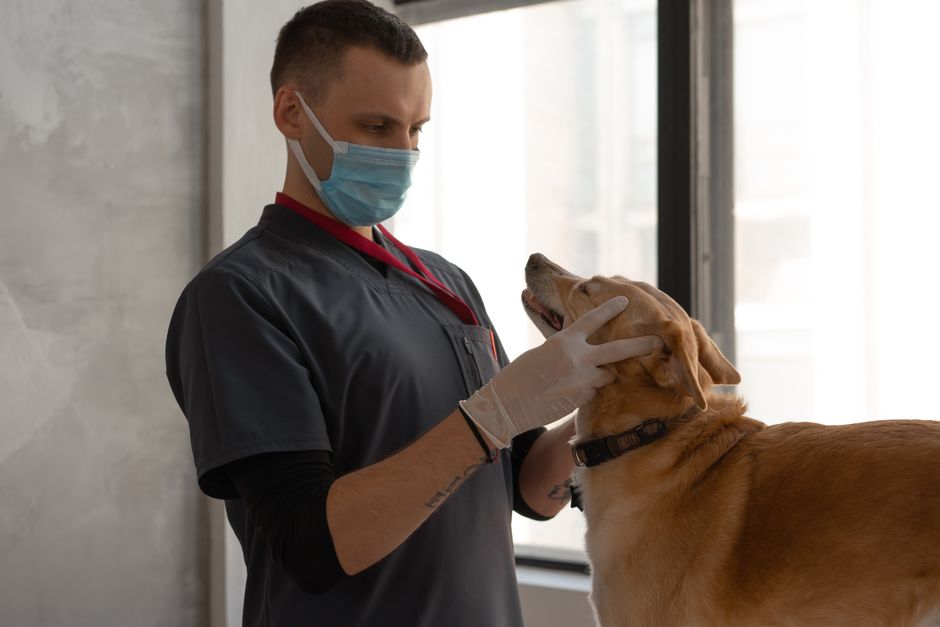
Watching your beloved canine companion struggle to get up, climb stairs, or go for walks can be heartbreaking. Arthritis is a common problem in older dogs, but it doesn't have to mean a life of misery. Effective dog arthritis pain management can restore your pet's quality of life, and this comprehensive guide will walk you through the proven mobility solutions that make a real difference.

What Is Dog Arthritis and Why Does It Cause Pain?
Canine arthritis, or osteoarthritis, is a degenerative joint disease where the cartilage that cushions the bones wears down over time. This leads to bone-on-bone friction, inflammation, and pain. The condition often affects weight-bearing joints like hips, knees, elbows, and spine. Common causes include aging, hip dysplasia, obesity, previous injuries, and genetic predisposition. As the disease progresses, your dog may experience stiffness after rest, limping, reluctance to jump or climb, and even personality changes due to chronic discomfort. Understanding the underlying mechanism helps you realize why managing pain and inflammation is crucial. Furthermore, early intervention can slow the progression of arthritis, giving your dog more active years. However, even advanced cases can be managed with a multi-modal approach.

What Are the Best Dog Arthritis Pain Management Options?
When it comes to managing arthritis pain, a combination of treatments often works best. Below, we break down the most effective strategies for reducing inflammation and alleviating your dog's discomfort.
Veterinary Prescribed Medications
Nonsteroidal anti-inflammatory drugs (NSAIDs) are commonly prescribed to control pain and swelling. These are different from over-the-counter pain relievers for humans, which can be toxic to dogs. Veterinary NSAIDs like carprofen, meloxicam, and deracoxib are generally safe when used under a vet's supervision. However, they can have side effects, so regular blood tests are recommended.
Nutraceuticals and Supplements
Glucosamine, chondroitin, and omega-3 fatty acids support joint health and reduce inflammation. Products like Dasuquin and Cosequin are popular choices. CBD oil is also gaining attention for its pain-relieving properties, though consult your vet before adding any supplement.
Physical Therapy and Rehabilitation
Laser therapy, acupuncture, hydrotherapy, and massage can improve blood flow, reduce stiffness, and increase mobility. Cold laser therapy is particularly effective for deep tissue pain relief.
- Medications: NSAIDs, steroids, or joint fluid modifiers (e.g., Adequan).
- Supplements: Glucosamine, chondroitin, omega-3 fatty acids, CBD oil.
- Therapies: Laser, acupuncture, hydrotherapy, targeted massage.
How Can You Improve Your Dog's Mobility With Exercise and Weight Management?
Weight control is arguably the most critical factor in managing canine arthritis. Extra pounds put additional stress on already painful joints. A lean body condition reduces pain and slows disease progression. Even a 10% reduction in body weight can lead to significant improvements in mobility. Moreover, low-impact exercise helps maintain muscle mass, which supports joints. Activities like swimming, short leash walks on soft surfaces, and controlled walking on an underwater treadmill are ideal. Avoid high-impact activities such as running, jumping, or playing fetch on hard ground. Gentle, frequent exercise is better than long, strenuous sessions. Additionally, consider joint-friendly toys and puzzles to keep your dog mentally stimulated without overexerting the body.
- Maintain a healthy weight through portion control and low-calorie diets if needed.
- Include regular but gentle exercise: 10-15 minute walks twice daily.
- Try hydrotherapy: swimming or water treadmill sessions build muscle without joint strain.
- Use ramps or stairs to avoid jumping onto furniture or into cars.
What Home Modifications Help Dogs With Arthritis?
Small adjustments around your home can dramatically improve your arthritic dog's daily comfort. Consider orthopedic dog beds that provide support and reduce pressure on joints. They should be thick, made of memory foam, and placed away from cold drafts. Install non-slip flooring or use yoga mats on slick surfaces – this prevents falls that can aggravate arthritis. Raise food and water bowls to reduce neck strain. Provide ramps for accessing the bed, sofa, or car, as jumping can be extremely painful. Additionally, keep your dog's environment warm and dry; cold, damp conditions worsen stiffness. Finally, keep essential items like food, water, and bedding on the same floor to minimize stair climbing.
When Should You See a Vet for Arthritis Pain?
If your dog shows any signs of persistent stiffness, limping, difficulty rising, or behavioral changes (such as irritability or lethargy), it's time for a veterinary evaluation. A thorough exam may include X-rays, joint fluid analysis, or blood work to confirm the diagnosis and rule out other conditions. Early diagnosis opens the door to more effective dog arthritis pain management and mobility solutions. Furthermore, if your dog's pain seems unresponsive to current treatments, a vet can adjust medication dosages, prescribe additional therapies, or discuss surgical options such as joint replacement in severe cases. Never hesitate to seek professional help – chronic pain can significantly impact your dog's overall well-being.
In conclusion, managing your dog's arthritis pain is a journey that requires patience, consistency, and a multi-faceted approach. By combining veterinary care, weight management, appropriate exercise, home modifications, and supportive supplements, you can help your best friend enjoy a happier, more mobile life. The key is to start early and stay proactive. With the right strategies in place, your dog can continue to wag its tail and greet each day with joy, even in its golden years.