
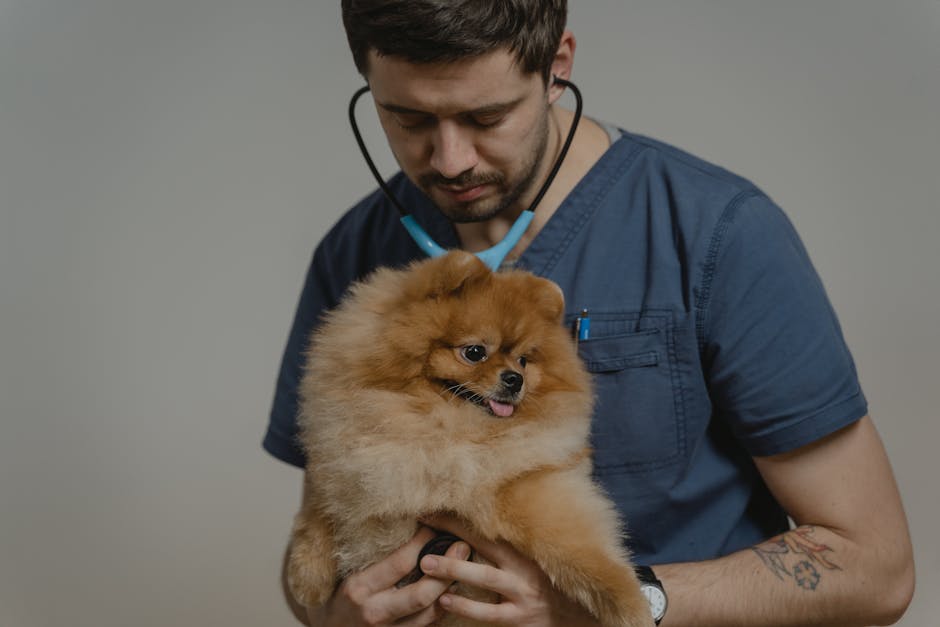

What Is Canine Diabetes and How Does It Affect Your Dog?
Canine diabetes is a chronic condition where your dog's body either cannot produce enough insulin (Type 1) or cannot use it effectively (Type 2). This leads to high blood sugar levels that, if left unmanaged, can cause serious health issues such as cataracts, kidney disease, and nerve damage. Recognizing early signs—like excessive thirst, frequent urination, weight loss despite a good appetite, and lethargy—is crucial. For a comprehensive approach, this canine diabetes management diet and insulin guide will help you take control of your dog's health. With proper veterinary guidance, you can help your furry friend live a happy, active life. However, it requires a careful balance of diet, exercise, and medication.

How Does Diet Help Manage Canine Diabetes?
Diet is the cornerstone of managing diabetes in dogs. A well-planned diet helps regulate blood glucose levels and supports insulin therapy. The key is to choose foods that are low in simple carbohydrates and high in complex carbohydrates and fiber. Complex carbs digest slowly, preventing blood sugar spikes. Furthermore, high-fiber foods promote satiety and steady glucose absorption. Avoid treats and table scraps that contain sugar or high glycemic ingredients. Instead, opt for veterinarian-recommended diabetic dog foods or a carefully balanced homemade diet. Consistency is vital—feeding the same amount of food at the same time each day helps synchronize with insulin injections. Additionally, portion control prevents weight gain, which can worsen insulin resistance. Always consult your vet before changing your dog's diet.
What Are the Best Foods for Diabetic Dogs?
When choosing foods for your diabetic dog, look for those formulated for diabetes, weight management, or gastrointestinal health. These often have a low glycemic index and controlled ingredient profiles. Here are some recommended options:
- High-quality commercial diabetic diets (e.g., Hill's Prescription Diet w/d, Royal Canin Glycobalance)
- Novel protein sources (e.g., duck, venison) to avoid allergens
- Vegetables like green beans, broccoli, and cauliflower (low in sugar)
- Whole grains like barley and oats (in moderation)
- Lean proteins such as chicken, turkey, or fish
Avoid foods with added sugars, syrups, simple carbohydrates (white rice, potato), and high-fat content. Furthermore, homemade diets should be balanced with supplements—a board-certified veterinary nutritionist can help. Consistency in ingredients and feeding times is more important than any single food item.
How to Create a Consistent Feeding Schedule for Diabetic Dogs?
Consistency in feeding is critical to match the action of insulin. Feed your diabetic dog twice a day, 12 hours apart, ideally at the same time as insulin injections. This routine helps maintain stable blood glucose levels. Start by measuring the exact amount of food according to your vet's recommendations. Do not skip meals or free-feed. Additionally, always feed your dog before giving insulin. If your dog doesn't eat all its food, reduce the insulin dose accordingly—consult your vet for guidelines on adjusting insulin based on food intake. Use a feeding journal to track appetite, eating speed, and any leftovers. This data helps your vet fine-tune the management plan. Over time, you'll learn your dog's preferences and adjust without causing glycemic fluctuations.
What Role Does Insulin Play in Canine Diabetes Management?
Insulin is a hormone that allows glucose to enter cells for energy. In diabetic dogs, supplemental insulin is necessary to regulate blood sugar. The most common types are NPH (Neutral Protamine Hagedorn) and detemir. Your veterinarian will prescribe the appropriate type and dose based on your dog's weight, diet, and activity level. Insulin must be administered subcutaneously, typically twice a day. Proper storage and handling are important—refrigerate unopened vials, and roll (not shake) the vial before drawing the dose. Furthermore, accurate dosing is crucial; always use the specific syringes (U-40 or U-100) that match the insulin concentration. Monitor your dog's response through regular glucose curves and home testing. Insulin therapy is lifelong, but with careful management, most dogs achieve good control and quality of life.
How to Administer Insulin Injections to Your Dog?
Administering insulin can be daunting at first, but with practice it becomes routine. Follow these steps for a safe, stress-free injection:
- Gather supplies: insulin vial, syringe, alcohol wipe, and a treat for rewarding afterward.
- Gently roll the vial to mix suspension (never shake). Draw the prescribed dose into the syringe.
- Choose a injection site: loose skin on the back of the neck or between shoulder blades (scruff area). Rotate sites to prevent lipodystrophy.
- Wipe the area with alcohol and let dry. Pinch a fold of skin, insert the needle at a 45- to 90-degree angle (depending on dog's size).
- Slowly inject the insulin, then withdraw the needle. Reward your dog with a small, low-carb treat.
Always double-check the dose, and keep a record of injections. If you miss a dose, contact your vet for instructions—never double dose. Additionally, watch for signs of low blood sugar (hypoglycemia) such as weakness, disorientation, or seizures.
What Are the Common Side Effects and Monitoring Tips?
The most common side effect of insulin therapy is hypoglycemia (low blood sugar). This can occur if your dog exercises too much, doesn't eat enough, or receives too high a dose. Symptoms include confusion, staggering, collapse, and seizures. Treat immediately with honey, corn syrup, or glucose gel rubbed on the gums. Furthermore, monitor your dog's urine and blood glucose at home using test strips or a glucometer. Your vet may recommend periodic glucose curves to adjust the insulin dose. Also watch for cataracts, urinary tract infections, and pancreatitis—common complications. Keeping a daily log of food intake, insulin dose, activity, and blood glucose readings is invaluable. Regular veterinary checkups every three to six months help catch issues early.
Conclusion
Managing canine diabetes requires dedication, but it is entirely possible to maintain your dog's health and happiness. By combining a consistent, high-fiber diet with proper insulin therapy and regular monitoring, you can stabilize blood sugar levels and prevent complications. Always work closely with your veterinarian, who can provide guidance tailored to your dog's specific needs. Remember, you are not alone—support groups and online resources offer additional help. With this canine diabetes management diet and insulin guide, you now have the foundational knowledge to take proactive steps for your beloved companion.