


Dog Food Reviews

Best High Protein Dog Food for Active and Working Dogs

Best High Protein Dog Food for Active and Working Dogs

Why High Protein Matters for Active and Working Dogs?

Why High Protein Matters for Active and Working Dogs?

When your dog is constantly on the move—whether it's herding, hunting, agility, or sled pulling—their body demands more than just regular kibble. High protein dog food for active and working dogs is essential to support muscle repair, sustained energy, and overall vitality. These dogs burn through calories faster and require a diet rich in quality protein to maintain lean muscle mass and optimize performance. In this review, we'll break down the best high protein dog foods on the market, complete with pros, cons, and ratings, so you can make an informed choice for your hardworking companion.

The Role of Protein in Active Dogs

Protein provides amino acids that are the building blocks of muscle tissue. For active dogs, a diet containing at least 30% protein on a dry matter basis is often recommended. Additionally, protein helps regulate hormones, enzymes, and immune function. Without adequate protein, working dogs may experience fatigue, muscle loss, and slower recovery after intense activity.
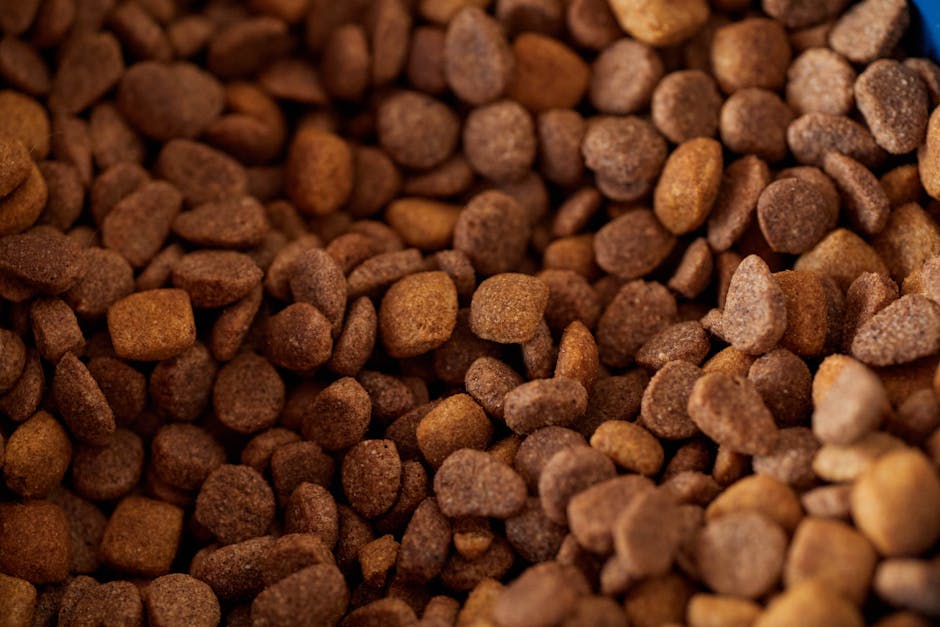
What to Look for in a High Protein Dog Food?

What to Look for in a High Protein Dog Food?

Not all high protein dog foods are created equal. When selecting the best option, consider the following factors:

  • Protein Source: Look for named meat proteins like chicken, beef, lamb, or fish. Avoid vague terms like "meat meal."
  • Protein Percentage: Aim for at least 30% crude protein, but working dogs may benefit from 35-40%.
  • Fat Content: Adequate fat (15-20%) provides concentrated energy. Too much fat can lead to obesity, so balance is key.
  • Carbohydrates: Low to moderate carbs are fine; active dogs can use carbs for quick energy, but high protein diets often limit carbs.
  • Calories: Working dogs need higher caloric density. Look for 400-500 kcal per cup.
  • Added Joint Supplements: Glucosamine and chondroitin help maintain joint health in high-impact dogs.

Top Protein Sources for Working Dogs

The best high protein dog foods use whole, animal-based proteins. Common sources include chicken, turkey, salmon, beef, and bison. Some brands include organ meats for added nutrients. Avoid fillers like corn, wheat, and soy, which offer little nutritional value.

Top 5 Best High Protein Dog Foods?

BrandProtein %Key IngredientsProsConsRating
1. Orijen Original38%Free-run chicken, turkey, wild-caught fishHigh meat content, whole prey ratios, grain-freeExpensive, may be too rich for some dogs9.5/10
2. Taste of the Wild High Prairie32%Buffalo, venison, lamb mealAffordable, novel proteins, good for sensitive stomachsIncludes some plant protein, not grain-free8.5/10
3. Victor Hi-Pro Plus33%Chicken meal, beef meal, fish mealCost-effective, high calorie density, added glucosamineContains corn, may cause allergies8/10
4. Merrick Grain-Free Texas Beef38%Deboned beef, sweet potatoes, peasHigh protein, grain-free, added omega-3sPea protein used, some dogs may gain weight9/10
5. Blue Buffalo Wilderness Chicken34%Chicken, chicken meal, peasPopular brand, contains LifeSource Bits with antioxidantsHigh carb content from peas, moderate price8.5/10

Furthermore, each of these brands offers distinct advantages. Orijen stands out for its biologically appropriate protein levels, while Victor Hi-Pro Plus is a budget-friendly option with solid nutrient profiles. However, always transition your dog slowly to a new food to avoid digestive upset.

How Much Protein Does an Active Dog Need?

Protein requirements vary based on activity level, age, and breed. For most active dogs, a diet with 25-30% protein is sufficient, but working dogs may need up to 40%. Additionally, puppies and lactating females require even higher levels. Here's a quick guide:

  • Lightly active (1 hour/day): 20-25% protein
  • Moderately active (2 hours/day): 25-30% protein
  • Highly active/working (3+ hours/day): 30-40% protein
  • Extreme/sled dogs: up to 45% protein

Remember to adjust portions based on your dog's body condition. Overfeeding protein can lead to weight gain, while underfeeding may cause muscle wasting.

Frequently Asked Questions?

Can high protein cause kidney issues in dogs?

In healthy dogs, high protein diets are safe. However, if your dog has pre-existing kidney disease, consult your vet. Protein does not cause kidney damage in normal dogs, but it can accelerate existing conditions.

Should I choose grain-free high protein food?

Grain-free is not necessary for all dogs. Active dogs can benefit from grains for fiber and energy. If your dog has allergies, grain-free options may help, but otherwise, quality grains are fine.

How often to feed high protein food to working dogs?

Divide daily intake into two or three meals to maintain energy levels. For extreme activity, consider adding a high protein topper or raw food supplement.

Conclusion

Choosing the best high protein dog food for active and working dogs depends on your dog's specific needs, activity level, and budget. Brands like Orijen and Merrick offer top-tier protein content, while Taste of the Wild provides a balanced option. Always prioritize animal-based protein sources and avoid unnecessary fillers. With the right nutrition, your active dog will have the energy and muscle strength to thrive in any endeavor.

Share: Facebook Twitter Pinterest

SWT Pal Pet

Pet Care Expert

Expert in pet care with years of experience helping pet owners make informed decisions about their furry friends.

← Previous Top Limited Ingredient Dog Foods for Allergy Prone Dogs Next → Best Dog Food for Golden Retrievers at Every Life Stage
We use cookie to improve your online experience. By continuing to browse this website, you agree to our use of cookie.

Cookies

Please read our Terms and Conditions and this Policy before accessing or using our Services. If you cannot agree with this Policy or the Terms and Conditions, please do not access or use our Services. If you are located in a jurisdiction outside the European Economic Area, by using our Services, you accept the Terms and Conditions and accept our privacy practices described in this Policy.
We may modify this Policy at any time, without prior notice, and changes may apply to any Personal Information we already hold about you, as well as any new Personal Information collected after the Policy is modified. If we make changes, we will notify you by revising the date at the top of this Policy. We will provide you with advanced notice if we make any material changes to how we collect, use or disclose your Personal Information that impact your rights under this Policy. If you are located in a jurisdiction other than the European Economic Area, the United Kingdom or Switzerland (collectively “European Countries”), your continued access or use of our Services after receiving the notice of changes, constitutes your acknowledgement that you accept the updated Policy. In addition, we may provide you with real time disclosures or additional information about the Personal Information handling practices of specific parts of our Services. Such notices may supplement this Policy or provide you with additional choices about how we process your Personal Information.


Cookies

Cookies are small text files stored on your device when you access most Websites on the internet or open certain emails. Among other things, Cookies allow a Website to recognize your device and remember if you've been to the Website before. Examples of information collected by Cookies include your browser type and the address of the Website from which you arrived at our Website as well as IP address and clickstream behavior (that is the pages you view and the links you click).We use the term cookie to refer to Cookies and technologies that perform a similar function to Cookies (e.g., tags, pixels, web beacons, etc.). Cookies can be read by the originating Website on each subsequent visit and by any other Website that recognizes the cookie. The Website uses Cookies in order to make the Website easier to use, to support a better user experience, including the provision of information and functionality to you, as well as to provide us with information about how the Website is used so that we can make sure it is as up to date, relevant, and error free as we can. Cookies on the Website We use Cookies to personalize your experience when you visit the Site, uniquely identify your computer for security purposes, and enable us and our third-party service providers to serve ads on our behalf across the internet.

We classify Cookies in the following categories:
 ●  Strictly Necessary Cookies
 ●  Performance Cookies
 ●  Functional Cookies
 ●  Targeting Cookies


Cookie List
A cookie is a small piece of data (text file) that a website – when visited by a user – asks your browser to store on your device in order to remember information about you, such as your language preference or login information. Those cookies are set by us and called first-party cookies. We also use third-party cookies – which are cookies from a domain different than the domain of the website you are visiting – for our advertising and marketing efforts. More specifically, we use cookies and other tracking technologies for the following purposes:

Strictly Necessary Cookies
These cookies are necessary for the website to function and cannot be switched off in our systems. They are usually only set in response to actions made by you which amount to a request for services, such as setting your privacy preferences, logging in or filling in forms. You can set your browser to block or alert you about these cookies, but some parts of the site will not then work. These cookies do not store any personally identifiable information.

Functional Cookies
These cookies enable the website to provide enhanced functionality and personalisation. They may be set by us or by third party providers whose services we have added to our pages. If you do not allow these cookies then some or all of these services may not function properly.

Performance Cookies
These cookies allow us to count visits and traffic sources so we can measure and improve the performance of our site. They help us to know which pages are the most and least popular and see how visitors move around the site. All information these cookies collect is aggregated and therefore anonymous. If you do not allow these cookies we will not know when you have visited our site, and will not be able to monitor its performance.

Targeting Cookies
These cookies may be set through our site by our advertising partners. They may be used by those companies to build a profile of your interests and show you relevant adverts on other sites. They do not store directly personal information, but are based on uniquely identifying your browser and internet device. If you do not allow these cookies, you will experience less targeted advertising.

How To Turn Off Cookies
You can choose to restrict or block Cookies through your browser settings at any time. Please note that certain Cookies may be set as soon as you visit the Website, but you can remove them using your browser settings. However, please be aware that restricting or blocking Cookies set on the Website may impact the functionality or performance of the Website or prevent you from using certain services provided through the Website. It will also affect our ability to update the Website to cater for user preferences and improve performance. Cookies within Mobile Applications

We only use Strictly Necessary Cookies on our mobile applications. These Cookies are critical to the functionality of our applications, so if you block or delete these Cookies you may not be able to use the application. These Cookies are not shared with any other application on your mobile device. We never use the Cookies from the mobile application to store personal information about you.

If you have questions or concerns regarding any information in this Privacy Policy, please contact us by email at . You can also contact us via our customer service at our Site.