

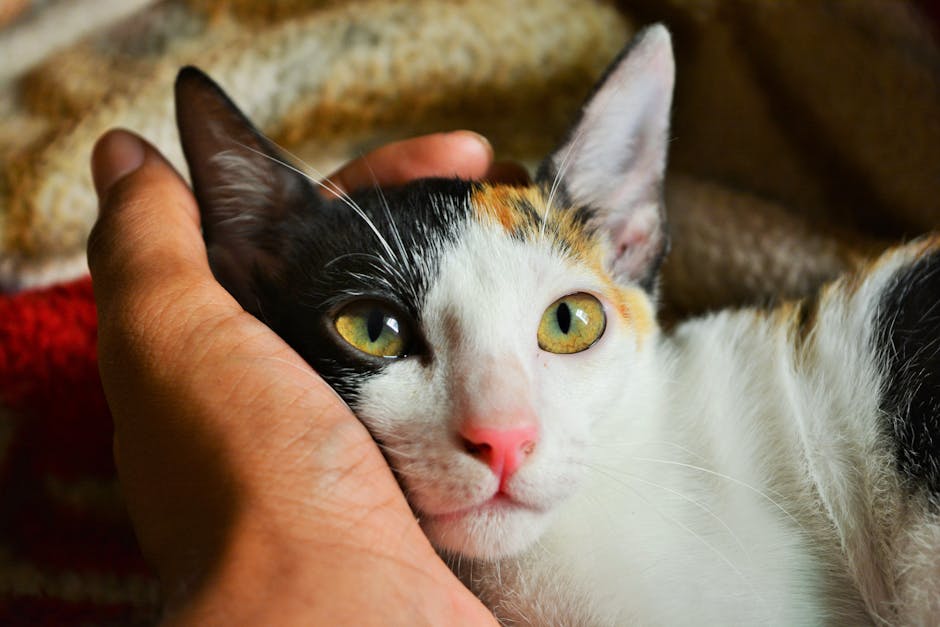
Why Does My Cat Follow Me Everywhere Around the House?
Have you ever noticed your feline companion trailing you from room to room, even to the bathroom? This common behavior prompts the question, "Why does my cat follow me everywhere?" Understanding the reasons behind this clingy habit can strengthen your bond and ensure your cat's well-being. From seeking attention to expressing loyalty, your cat's constant presence is often a sign of affection. However, it can also indicate anxiety or health issues. In this guide, we'll explore the science behind feline attachment, common triggers, and practical tips to manage your cat's following behavior.
What Are the Main Reasons Cats Follow Their Owners?
Cats are often stereotyped as aloof, but many form deep attachments to their humans. The primary reasons cats follow you include: seeking security – you are their safe haven; curiosity – they want to know what you're doing; anticipation of food or treats – they associate you with feeding; affection and bonding – they enjoy your company; and routine – cats thrive on predictability and may follow out of habit. Additionally, some cats have a strong prey drive and see your movements as an invitation to play.
- Seeking security and comfort
- Curiosity about your activities
- Expecting food or treats
- Expressing affection and bond
- Following routine or habit
Furthermore, kittens who are weaned early may develop stronger attachment behaviors. Understanding these motivations helps you differentiate between normal affection and problematic clinginess.
Is It Normal for Cats to Follow You to the Bathroom?
Many cat owners report that their cat insists on joining them in the bathroom. While it may seem odd, this behavior is perfectly normal. Cats are naturally curious about water and confined spaces. The bathroom also has interesting smells and sounds. Moreover, your cat may interpret closing the door as a separation, so they want to stay close. For some cats, the bathroom offers a warm floor or a chance to sit on your lap while you're still. However, if your cat seems distressed or frantic at closed doors, it might indicate separation anxiety.
What If My Cat Cries at the Bathroom Door?
If your cat vocalizes intensely when you are in the bathroom, try leaving the door slightly ajar if possible. You can also provide a distraction like a toy or treat puzzle outside the door to reduce anxiety. However, if the crying persists or leads to destructive behavior, consult a veterinarian or feline behaviorist.
How Can You Tell If Your Cat Is Anxious or Just Affectionate?
Distinguishing between affectionate following and anxiety-driven behavior is crucial. Signs of healthy attachment include relaxed body language, purring, and seeking your lap but also being independent. Anxious cats may exhibit excessive meowing, trembling, hiding, or destructive behavior when you leave. They might also follow you everywhere with wide eyes and a tense tail. Use this table to compare:
| Affectionate Following | Anxious Following |
|---|---|
| Relaxed posture, slow blinks | Tense body, dilated pupils |
| Purrs and kneads gently | Vocalizes loudly or distress calls |
| Pauses to explore independently | Never leaves your side, even during sleep |
| Comfortable with brief separation | Panics when you are out of sight |
Additionally, if your cat follows you due to anxiety, providing enrichment like vertical spaces, hiding spots, and consistent routines can help. Using pheromone diffusers or calming supplements may also reduce stress. Consult a vet if you suspect a medical cause, such as hyperthyroidism or vision loss, which can increase clinginess.
Should You Be Concerned If Your Cat Follows You Constantly?
In most cases, constant following is not a cause for alarm. However, sudden changes in behavior warrant attention. If your cat has always been independent and suddenly starts following you obsessively, it could indicate illness or pain. Cats with arthritis, dental disease, or hyperthyroidism often seek comfort from their owners. Similarly, senior cats with cognitive dysfunction may become disoriented and clingy. Monitor for other symptoms like changes in appetite, sleep patterns, or litter box habits. If you notice any red flags, schedule a veterinary check-up. Otherwise, enjoy the company – your cat clearly adores you.
How to Manage a Clingy Cat?
If your cat's following behavior becomes overwhelming, you can take steps to create a healthy balance. First, ensure your cat has plenty of stimulation: interactive toys, puzzle feeders, and window perches can keep them occupied. Second, establish a routine for play and feeding so your cat knows when to expect attention. Third, practice short departures to build your cat's independence. For example, leave the room for a few minutes and gradually increase the time. Reward calm behavior with treats or praise. Finally, never punish your cat for following; it can increase anxiety. Instead, provide a cozy bed or blanket in each room so your cat has a designated spot near you.
When to Seek Professional Help
If your cat's clinginess is accompanied by destructive behavior, house soiling, or extreme distress when you leave, consider consulting a veterinary behaviorist. They can rule out medical issues and create a tailored plan. Additionally, medication may be needed in severe anxiety cases, always under veterinary guidance.
Conclusion
Understanding why your cat follows you everywhere strengthens your bond and ensures their emotional health. Whether driven by love, curiosity, or anxiety, your cat's behavior is a communication tool. Embrace the affection, but also watch for signs of distress. With patience and enrichment, you can enjoy a harmonious relationship where your cat feels secure whether by your side or exploring on their own.