
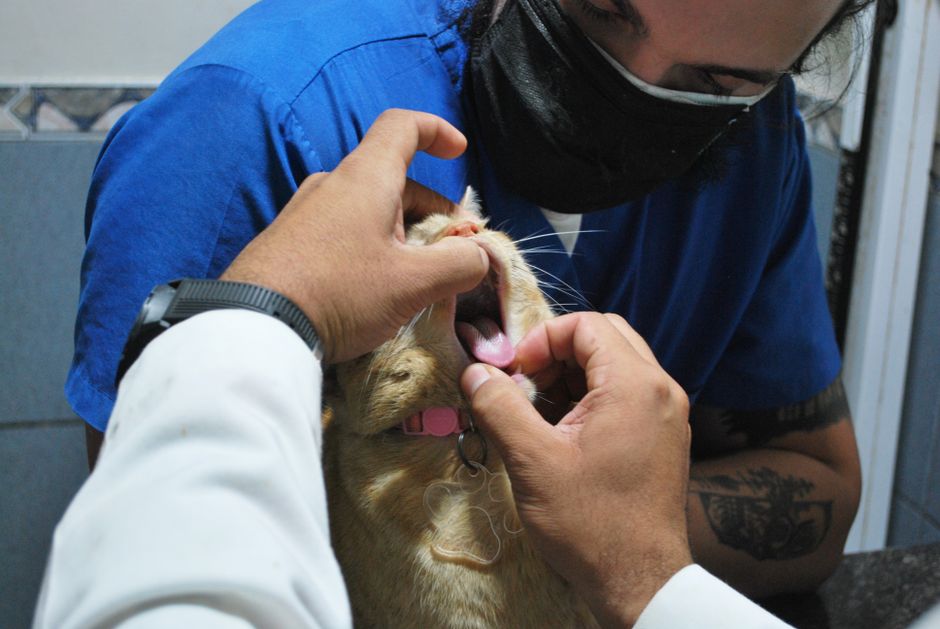
As your feline friend enters their golden years, regular veterinary care becomes crucial. A comprehensive senior cat health checklist is your best tool for ensuring a long, comfortable life. This annual wellness guide outlines the essential screenings and preventive measures every senior cat needs. Start with a thorough physical exam to catch early signs of arthritis, dental disease, or kidney issues. Your vet should check weight, teeth, heart, lungs, and joints. By staying proactive, you can manage age-related conditions before they become serious.
1. What Are the Key Components of a Senior Cat Physical Exam?
A senior cat physical exam goes beyond the basics. The veterinarian will assess your cat's body condition score, looking for muscle wasting or obesity. They'll listen to the heart and lungs for murmurs or abnormal sounds, and palpate the abdomen to check organ size. Dental health is especially important; over 70% of cats over three have dental disease, which can worsen with age.
Detailed Checkpoints
- Weight and body condition score
- Dental examination and gum health
- Heart rate, rhythm, and lung auscultation
- Abdominal palpation for kidney size or masses
- Joint mobility and signs of arthritis
Additionally, the vet will evaluate your cat's eyes for cataracts or retinal changes, and check the ears for infection or polyps. Skin and coat condition can reflect overall health. A thorough physical exam sets the foundation for your senior cat health checklist.

2. Why Are Blood and Urine Tests Critical for Senior Cats?
Blood work and urinalysis are the cornerstones of early detection. A complete blood count (CBC) and serum chemistry panel reveal organ function, especially kidneys and liver. Thyroid hormone levels should be measured; hyperthyroidism is common in older cats. Urinalysis checks for infection, crystals, and concentration ability.
Furthermore, these tests can catch diabetes, kidney disease, or anemia before symptoms appear. Many vets recommend annual blood and urine screening for cats over seven. If your cat has chronic conditions, more frequent monitoring may be needed. Including these in your senior cat health checklist ensures no hidden issues are missed.
3. How Often Should Senior Cats Receive Vaccinations?
Vaccination schedules change as cats age. Core vaccines like rabies and FVRCP (feline viral rhinotracheitis, calicivirus, panleukopenia) are still important, but your vet may adjust frequency based on lifestyle and risk. Indoor senior cats may need less frequent boosters.
However, don't skip annual vaccine consultations. Your vet will discuss titer testing to check immunity levels, potentially reducing unnecessary shots. Over-vaccination can cause adverse reactions in older cats. Always follow your veterinarian's tailored advice as part of a senior cat health checklist.
4. What Dental Care Does a Senior Cat Need Annually?
Dental disease is a top concern for aging cats. Annual dental cleanings under anesthesia allow thorough scaling and polishing, plus dental X-rays to detect hidden issues like tooth root abscesses or resorptive lesions. Without treatment, dental pain can lead to weight loss or behavioral changes.
Additionally, home care such as brushing or dental diets can slow plaque buildup. Your vet can demonstrate proper techniques. Including dental health in your senior cat health checklist prevents systemic infections that affect the heart, kidneys, and liver.
5. How Can You Assess Your Senior Cat's Joint and Mobility Health?
Arthritis is common but often underdiagnosed in cats. Watch for subtle signs: reluctance to jump, stiffness after resting, or decreased grooming. Your vet can perform a joint exam and may recommend joint supplements like glucosamine or omega-3 fatty acids.
Furthermore, weight management is crucial. Extra pounds stress joints. Consider ramps, low-sided litter boxes, and soft bedding. Annual assessment of mobility should be a part of your senior cat health checklist to maintain quality of life.
6. What Nutritional Adjustments Support an Aging Cat?
Senior cats often need diets lower in calories but higher in high-quality protein to maintain muscle mass. Look for foods with added antioxidants, prebiotics, and controlled phosphorus for kidney support. Consult your vet before changing food.
Additionally, some cats develop sensitivities or reduced appetite. Offering small, frequent meals or warming food can help. Hydration is critical; consider wet food or a pet water fountain. Including nutritional guidance in your senior cat health checklist ensures proper energy and organ function.
7. Why Is Weight Management a Year-Round Priority?
Weight loss or gain both signal health issues. A sudden drop may indicate hyperthyroidism, kidney disease, or diabetes. Conversely, obesity worsens arthritis, diabetes, and heart problems. Monthly weigh-ins at home can catch trends early.
Your vet will set target weight and recommend feeding adjustments. Regular body condition scoring helps track muscle vs. fat. A controlled weight plan is a vital component of your senior cat health checklist.
8. How Can You Monitor Your Senior Cat's Mental and Emotional Health?
Cognitive decline is real in older cats, known as feline cognitive dysfunction syndrome (CDS). Signs include disorientation, changes in sleep patterns, or litter box accidents. Provide environmental enrichment: puzzle feeders, scratching posts, and window perches.
Additionally, maintain routines to reduce stress. Consider pheromone diffusers like Feliway. Annual behavioral discussion with your vet is part of a holistic senior cat health checklist.
9. What Preventive Parasite Control Is Safe for Senior Cats?
Senior cats can still get fleas, ticks, and intestinal worms. However, some parasite preventives have age-related precautions. Your vet will choose safe, effective products based on your cat's health status.
Regular fecal exams and heartworm testing should continue annually. Protect your cat without overburdening their system. Including parasite prevention in your senior cat health checklist safeguards against secondary illnesses.
10. What Are the Final Steps in Creating a Senior Cat Wellness Plan?
Combine all the above elements into a personalized wellness calendar. Schedule annual exams, semi-annual dental checks for high-risk cats, and regular weight monitoring. Keep a health journal noting any behavior changes.
Furthermore, update your cat's microchip information and emergency contacts. Work closely with your vet to adjust the plan as your cat ages. A thorough senior cat health checklist is your roadmap to a happy, healthy golden years companion.
Conclusion: This annual wellness guide provides a complete framework for proactive senior cat care. By following this senior cat health checklist, you can detect issues early, maintain comfort, and strengthen your bond with your aging feline. Always consult your veterinarian for individual advice.