
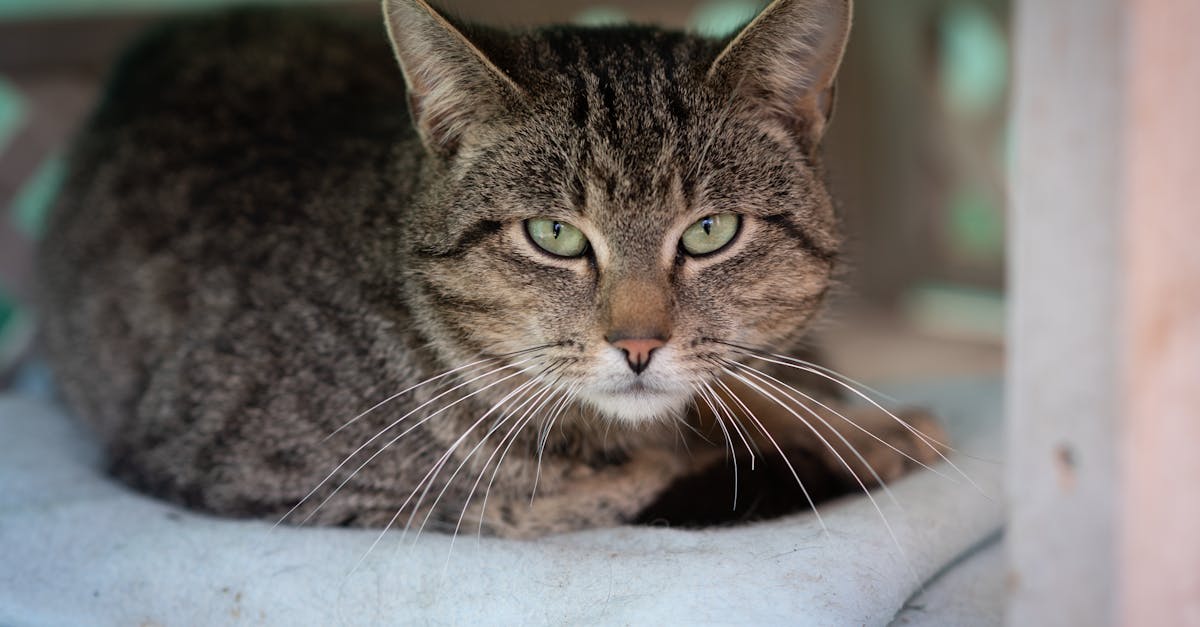
Cats are masters at aging gracefully -- and at hiding the decline that comes with it. A 10-year-old cat is roughly equivalent to a 56-year-old human. By 15, they are 76 in human years. Understanding age-related changes and providing proactive care can dramatically improve quality and length of life.
Table of Contents
Age Equivalency
| Cat Age | Human Equivalent | Life Stage |
|---|---|---|
| 7-10 | 44-56 | Mature |
| 11-14 | 60-72 | Senior |
| 15-20 | 76-96 | Geriatric |
| 20+ | 96+ | Super-senior |
Common Age-Related Changes
- Kidney function decline: Most common age-related disease. Regular bloodwork monitors creatinine and SDMA.
- Hyperthyroidism: Overactive thyroid -- weight loss, increased appetite, hyperactivity. Treatable.
- Arthritis: Affects 90% of cats over 12. Often undiagnosed because cats hide pain.
- Dental disease: Worsens with age. Tooth resorption especially common in seniors.
- Cognitive decline: Confusion, vocalization at night, litter box problems, disorientation.
- Vision and hearing loss: Gradual -- cats compensate remarkably well.
- Muscle wasting: Loss of muscle mass (sarcopenia), especially along spine.
Recommended Health Screening
| Test | Frequency | Detects |
|---|---|---|
| Complete blood count | Every 6 months | Anemia, infection, cancer markers |
| Chemistry panel | Every 6 months | Kidney, liver, glucose, electrolytes |
| Thyroid (T4) | Every 6-12 months | Hyperthyroidism |
| Urinalysis | Every 6-12 months | Kidney disease, diabetes, UTI |
| Blood pressure | Every 6-12 months | Hypertension (common in CKD and hyperthyroidism) |
| SDMA | Annually | Early kidney disease (before creatinine rises) |
Making Home Comfortable
- Low-entry litter boxes: Arthritic cats cannot climb over high sides
- Ramps and steps: Help access favorite elevated spots
- Heated beds: Warmth soothes arthritic joints
- Night lights: Help vision-impaired cats navigate at night
- Multiple litter boxes: One on every floor to reduce distance
- Non-slip surfaces: Arthritic cats struggle on smooth floors
Pain Management
- Solensia (frunevetmab): Monthly injection for arthritis -- first FDA-approved pain medication specifically for cats
- Gabapentin: For chronic pain and anxiety
- Meloxicam: Anti-inflammatory (short-term use, kidney monitoring required)
- Acupuncture: Growing evidence for pain management in cats
- NEVER give human pain medication to cats: Tylenol, ibuprofen, aspirin are TOXIC to cats
Frequently Asked Questions
How do I know if my senior cat is in pain?
Cats rarely cry or limp until pain is severe. Subtle signs include: reduced jumping, sleeping more, avoiding being touched in certain areas, decreased grooming (especially hind end), reduced play, changes in litter box posture, irritability when petted, and reluctance to use stairs. The Feline Grimace Scale is a validated tool for assessing cat pain based on facial expression -- ear position, muzzle tension, whisker position, and eye squinting.