

Cat Health

How to Give a Cat Liquid Medication Without Getting Scratched

How to Give a Cat Liquid Medication Without Getting Scratched

Giving liquid medication to a cat can be a daunting task, but with the right technique, you can give a cat liquid medication without getting scratched. Cats are notorious for resisting medicine, yet it's essential for their health. Follow this step-by-step guide to make the process safe and stress-free.

1. Why Is Preparation Essential for Giving Liquid Medication?

1. Why Is Preparation Essential for Giving Liquid Medication?

Before you even approach your cat, gather all supplies. You'll need the prescribed liquid medication, a towel, and possibly a treat. Choose a quiet, well-lit room where your cat feels secure. Having everything within reach prevents frantic searches mid-process. Furthermore, check the medication dosage carefully. Use a syringe or dropper designed for oral medications—never use a needle syringe. Additionally, warm the medication slightly to room temperature by holding the bottle in your hands for a minute. Cold liquid can startle your cat. Proper preparation reduces stress for both of you, making it easier to give a cat liquid medication without incident.
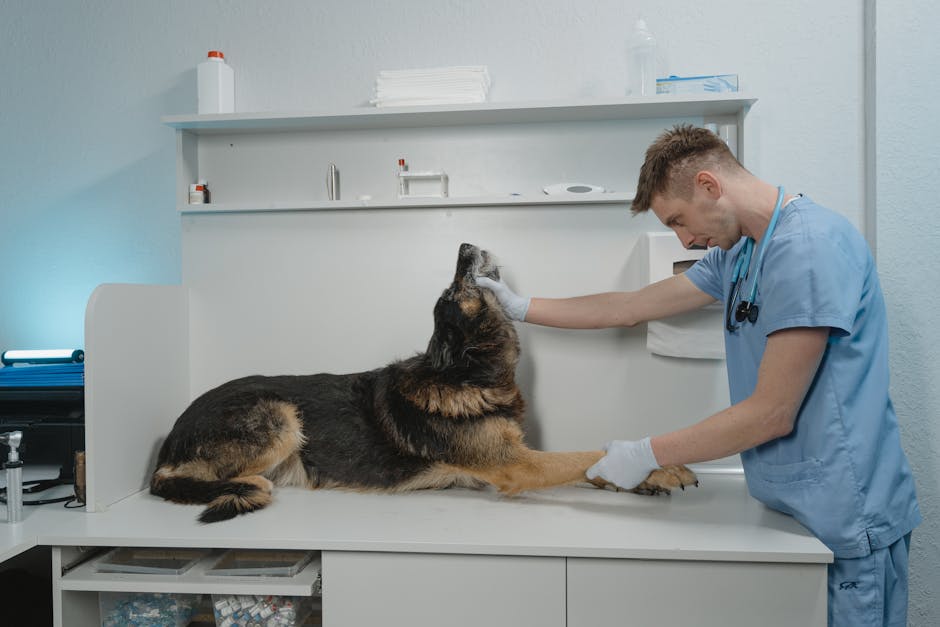
2. How to Restrain Your Cat Safely Without Getting Scratched?

2. How to Restrain Your Cat Safely Without Getting Scratched?

Restraint is crucial but must be gentle. The most effective method is the "burrito wrap" using a towel. Place the towel on a flat surface, then set your cat in the center. Fold one side over the body, then the other, leaving only the head exposed. Ensure the wrap is snug but not tight. If your cat is particularly feisty, you may need a second person to help. Alternatively, sit on the floor and hold your cat between your knees while facing away from you. However, never apply excessive force—this can cause injury or panic. Practice restraint techniques before the actual medication session. Safe restraint minimizes risks for scratches, allowing you to give a cat liquid medication with confidence.

3. What Is the Best Syringe Technique for Administering Liquid Medication?

After restraint, gently tilt your cat's head upward by about 45 degrees. Use your thumb and forefinger to open the mouth at the side where the teeth meet. Insert the syringe into the pouch of the cheek, not directly down the throat. Squirt the liquid slowly—a fast stream can cause choking. There are two methods: placing the medication in the cheek pouch (less likely to be tasted) or aiming for the back of the tongue (but riskier). Most cats tolerate the cheek pouch better. Always administer in small increments, allowing your cat to swallow between squirts. Additionally, praise your cat softly throughout. This technique is key to learning how to give a cat liquid medication efficiently.

4. How to Administer the Medication Without Causing Stress?

Minimizing stress goes beyond technique. Use positive reinforcement: offer a favorite treat immediately after each dose. For cats that dislike treats, extra petting or playtime works. Moreover, maintain a calm demeanor—your cat senses your anxiety. If your cat struggles, take a break and try again later. Never rush. You can also disguise liquid medication in a small amount of wet food, but only if your vet approves (some medications lose efficacy when mixed with food). However, many cats detect the taste and refuse. The direct oral method is often more reliable. Remember, patience is essential when you give a cat liquid medication; a relaxed cat is less likely to scratch.

5. What Aftercare Steps Prevent Future Struggles?

After successful administration, reward your cat with praise and a treat. Clean the syringe with warm water and store the medication properly. Monitor your cat for any adverse reactions, such as vomiting or excessive drooling. Additionally, note that some medication may need refrigeration. Keep a log of dosages and times. To make future sessions easier, practice handling your cat's mouth regularly—even when no medication is needed. This builds tolerance. Furthermore, consider using a pill pocket or flavored liquid if available. Over time, your cat will become more accustomed to the process. Mastering these aftercare steps ensures you can continue to give a cat liquid medication safely whenever needed.

Conclusion

Giving liquid medication to a cat doesn't have to be a battle. With proper preparation, gentle restraint, correct syringe technique, stress reduction, and consistent aftercare, you can successfully medicate your feline friend without getting scratched. Implement these strategies consistently, and both you and your cat will benefit from a less stressful experience. Remember, patience and calmness are your best tools.

Share: Facebook Twitter Pinterest

SWT Pal Pet

Pet Care Expert

Expert in pet care with years of experience helping pet owners make informed decisions about their furry friends.

← Previous Cat Skin Allergies Causes Symptoms and Relief Options Next → How to Check Your Cat Vital Signs at Home
We use cookie to improve your online experience. By continuing to browse this website, you agree to our use of cookie.

Cookies

Please read our Terms and Conditions and this Policy before accessing or using our Services. If you cannot agree with this Policy or the Terms and Conditions, please do not access or use our Services. If you are located in a jurisdiction outside the European Economic Area, by using our Services, you accept the Terms and Conditions and accept our privacy practices described in this Policy.
We may modify this Policy at any time, without prior notice, and changes may apply to any Personal Information we already hold about you, as well as any new Personal Information collected after the Policy is modified. If we make changes, we will notify you by revising the date at the top of this Policy. We will provide you with advanced notice if we make any material changes to how we collect, use or disclose your Personal Information that impact your rights under this Policy. If you are located in a jurisdiction other than the European Economic Area, the United Kingdom or Switzerland (collectively “European Countries”), your continued access or use of our Services after receiving the notice of changes, constitutes your acknowledgement that you accept the updated Policy. In addition, we may provide you with real time disclosures or additional information about the Personal Information handling practices of specific parts of our Services. Such notices may supplement this Policy or provide you with additional choices about how we process your Personal Information.


Cookies

Cookies are small text files stored on your device when you access most Websites on the internet or open certain emails. Among other things, Cookies allow a Website to recognize your device and remember if you've been to the Website before. Examples of information collected by Cookies include your browser type and the address of the Website from which you arrived at our Website as well as IP address and clickstream behavior (that is the pages you view and the links you click).We use the term cookie to refer to Cookies and technologies that perform a similar function to Cookies (e.g., tags, pixels, web beacons, etc.). Cookies can be read by the originating Website on each subsequent visit and by any other Website that recognizes the cookie. The Website uses Cookies in order to make the Website easier to use, to support a better user experience, including the provision of information and functionality to you, as well as to provide us with information about how the Website is used so that we can make sure it is as up to date, relevant, and error free as we can. Cookies on the Website We use Cookies to personalize your experience when you visit the Site, uniquely identify your computer for security purposes, and enable us and our third-party service providers to serve ads on our behalf across the internet.

We classify Cookies in the following categories:
 ●  Strictly Necessary Cookies
 ●  Performance Cookies
 ●  Functional Cookies
 ●  Targeting Cookies


Cookie List
A cookie is a small piece of data (text file) that a website – when visited by a user – asks your browser to store on your device in order to remember information about you, such as your language preference or login information. Those cookies are set by us and called first-party cookies. We also use third-party cookies – which are cookies from a domain different than the domain of the website you are visiting – for our advertising and marketing efforts. More specifically, we use cookies and other tracking technologies for the following purposes:

Strictly Necessary Cookies
These cookies are necessary for the website to function and cannot be switched off in our systems. They are usually only set in response to actions made by you which amount to a request for services, such as setting your privacy preferences, logging in or filling in forms. You can set your browser to block or alert you about these cookies, but some parts of the site will not then work. These cookies do not store any personally identifiable information.

Functional Cookies
These cookies enable the website to provide enhanced functionality and personalisation. They may be set by us or by third party providers whose services we have added to our pages. If you do not allow these cookies then some or all of these services may not function properly.

Performance Cookies
These cookies allow us to count visits and traffic sources so we can measure and improve the performance of our site. They help us to know which pages are the most and least popular and see how visitors move around the site. All information these cookies collect is aggregated and therefore anonymous. If you do not allow these cookies we will not know when you have visited our site, and will not be able to monitor its performance.

Targeting Cookies
These cookies may be set through our site by our advertising partners. They may be used by those companies to build a profile of your interests and show you relevant adverts on other sites. They do not store directly personal information, but are based on uniquely identifying your browser and internet device. If you do not allow these cookies, you will experience less targeted advertising.

How To Turn Off Cookies
You can choose to restrict or block Cookies through your browser settings at any time. Please note that certain Cookies may be set as soon as you visit the Website, but you can remove them using your browser settings. However, please be aware that restricting or blocking Cookies set on the Website may impact the functionality or performance of the Website or prevent you from using certain services provided through the Website. It will also affect our ability to update the Website to cater for user preferences and improve performance. Cookies within Mobile Applications

We only use Strictly Necessary Cookies on our mobile applications. These Cookies are critical to the functionality of our applications, so if you block or delete these Cookies you may not be able to use the application. These Cookies are not shared with any other application on your mobile device. We never use the Cookies from the mobile application to store personal information about you.

If you have questions or concerns regarding any information in this Privacy Policy, please contact us by email at . You can also contact us via our customer service at our Site.