
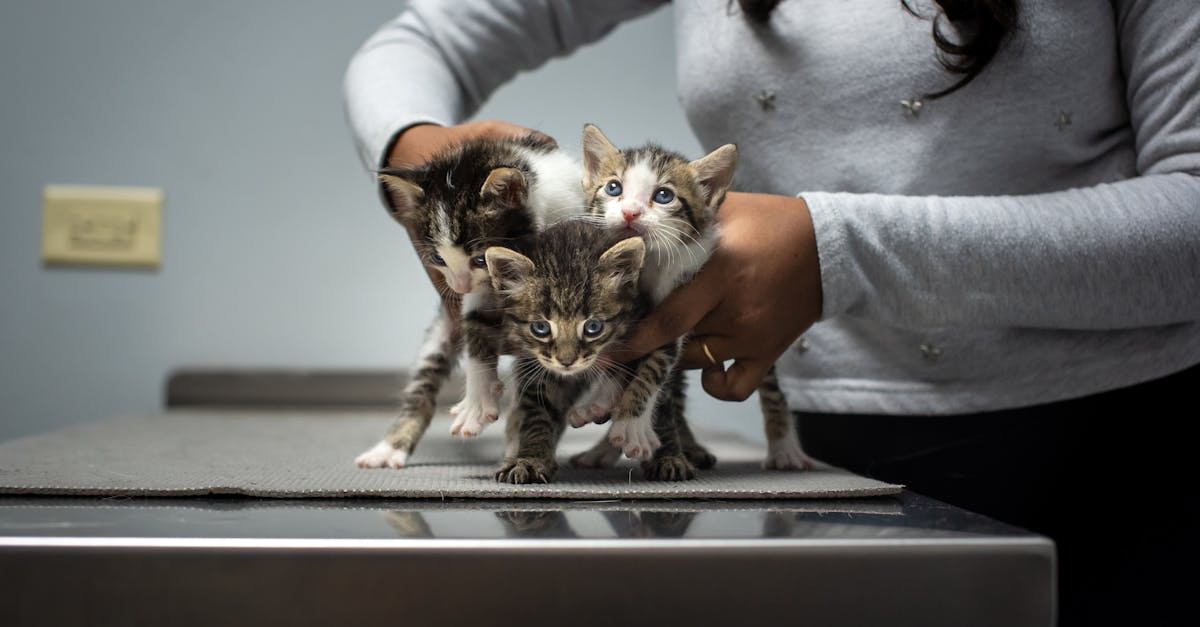
Vaccination is the single most effective preventive health measure for cats -- yet confusion about which vaccines are necessary, how often to boost, and potential risks creates uncertainty for many owners. Here is the evidence-based guide to feline vaccination.
Table of Contents
Core Vaccines (Required for ALL Cats)
| Vaccine | Protects Against | Why Core |
|---|---|---|
| FVRCP | Feline Viral Rhinotracheitis (herpes), Calicivirus, Panleukopenia | Highly contagious, potentially fatal, widespread |
| Rabies | Rabies virus | 100% fatal, zoonotic (transmissible to humans), legally required |
Non-Core Vaccines (Based on Risk)
| Vaccine | Protects Against | Recommended For |
|---|---|---|
| FeLV | Feline Leukemia Virus | All kittens; outdoor cats; cats exposed to FeLV+ cats |
| FIV | Feline Immunodeficiency Virus | Rarely recommended (vaccine interferes with testing) |
| Chlamydia | Chlamydophila felis (eye infections) | Multi-cat environments with known chlamydia |
| Bordetella | Bordetella bronchiseptica | Shelters, catteries, high-density housing |
Kitten Vaccination Schedule
| Age | Vaccines |
|---|---|
| 6-8 weeks | FVRCP #1, FeLV #1 |
| 10-12 weeks | FVRCP #2, FeLV #2 |
| 14-16 weeks | FVRCP #3, Rabies |
| 1 year | FVRCP booster, Rabies booster |
Adult Booster Schedule
- FVRCP: Every 3 years after initial series (current AAFP guidelines)
- Rabies: Annually or every 3 years depending on vaccine type and local law
- FeLV: Annually for at-risk cats, may discontinue for strictly indoor cats after initial series
Vaccine Side Effects
- Common (mild): Lethargy for 24-48 hours, mild soreness at injection site, decreased appetite
- Uncommon: Low-grade fever, mild swelling
- Rare but serious: Allergic reaction (facial swelling, difficulty breathing) -- seek emergency care
- Very rare: Injection-site sarcoma (tumor at injection site) -- risk approximately 1 in 10,000-30,000
Frequently Asked Questions
Does my indoor-only cat need vaccines?
Yes -- at minimum, FVRCP and rabies. Indoor cats can be exposed through: escaped outdoor cats entering through doors/windows, viruses carried on shoes and clothing, escape (even the most careful owner has an open-door moment), and rabies from bats that enter the home. Rabies vaccination is also legally required in most jurisdictions regardless of indoor/outdoor status. FVRCP protects against panleukopenia, which is extremely contagious and can be carried on fomites (shoes, hands).