
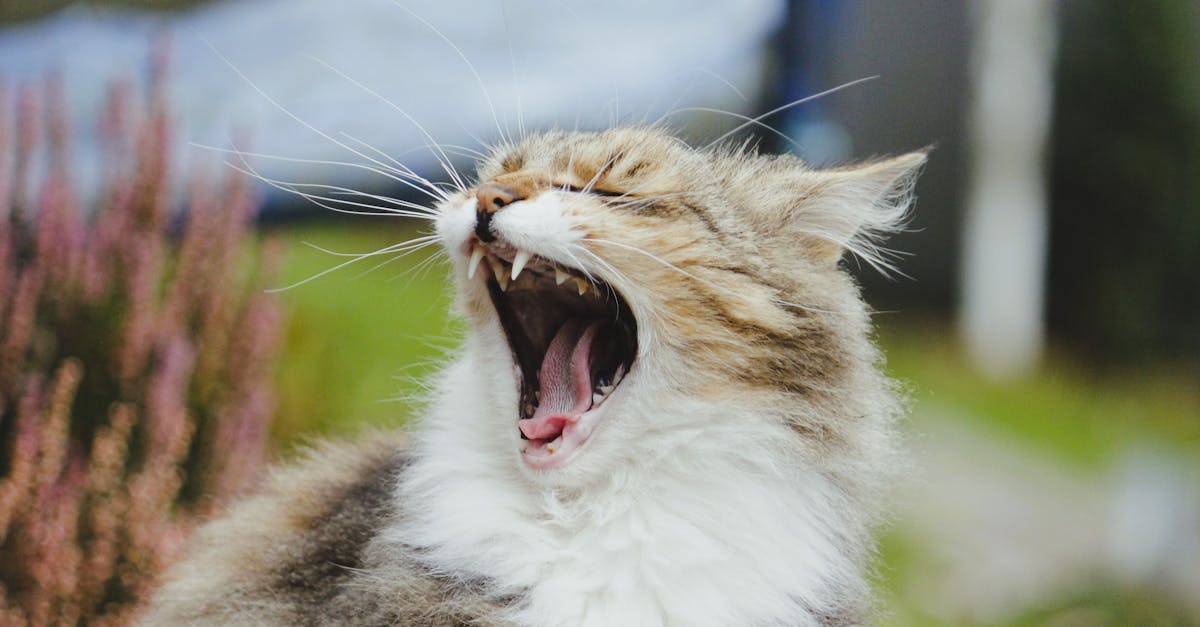
Stomatitis is one of the most painful conditions a cat can experience -- severe, debilitating inflammation of the oral mucosa that makes eating agonizing. It goes far beyond "dental disease" and often requires radical treatment. Many cats suffer silently for months before diagnosis.
What Is Stomatitis?
- Severe, widespread inflammation of the mouth lining (gums, cheeks, throat)
- NOT just gingivitis -- involves tissue far beyond the tooth margin
- Thought to be an immune-mediated overreaction to oral bacteria and plaque
- The immune system attacks its own oral tissue in response to normal oral bacteria
Symptoms
- Difficulty eating: Approaches food but cries or backs away
- Weight loss: From inability to eat comfortably
- Drooling: Often blood-tinged
- Bad breath: Severe halitosis
- Pawing at mouth
- Unkempt coat: Too painful to groom
- Hiding/behavioral changes: Chronic pain causes withdrawal
Diagnosis
- Visual examination: bright red, angry, bleeding oral tissue -- often extending to the back of the throat (caudal mucositis)
- Biopsy may be recommended to rule out oral cancer (squamous cell carcinoma)
- Dental X-rays to assess teeth
Treatment Ladder
| Treatment | Effectiveness | Notes |
|---|---|---|
| Dental cleaning + antibiotics | Low (temporary relief) | Usually insufficient for true stomatitis |
| Immunosuppressives (steroids, cyclosporine) | Moderate (temporary) | Manages symptoms but does not cure; side effects with long-term use |
| Partial extraction (premolars/molars) | Moderate | Removes teeth behind canines. 50-60% improvement rate. |
| Full-mouth extraction | High (60-80% cure) | Removes ALL teeth. Sounds extreme but is the most effective treatment. |
Full-Mouth Extraction: The Definitive Treatment
- Removing all teeth eliminates the surfaces where plaque bacteria accumulate
- Without plaque stimulation, the immune overreaction subsides
- 60-80% of cats are cured or dramatically improved
- 20% may need ongoing medication even after extraction
- Cats without teeth eat remarkably well -- wet food, and many even eat dry food using their gums
- Quality of life improves dramatically because the chronic pain is resolved
Frequently Asked Questions
How can a cat eat without any teeth?
Remarkably well. Cats do not chew food the way humans do -- they use their teeth primarily for tearing. Most cats with full-mouth extractions eat wet food without any difficulty from day one (once surgical healing is complete). Many cats even eat dry kibble by crushing it against their hard palate with their tongue. The dramatic improvement in comfort means cats eat MORE after extraction than before, because eating is no longer painful. Quality of life transforms.