
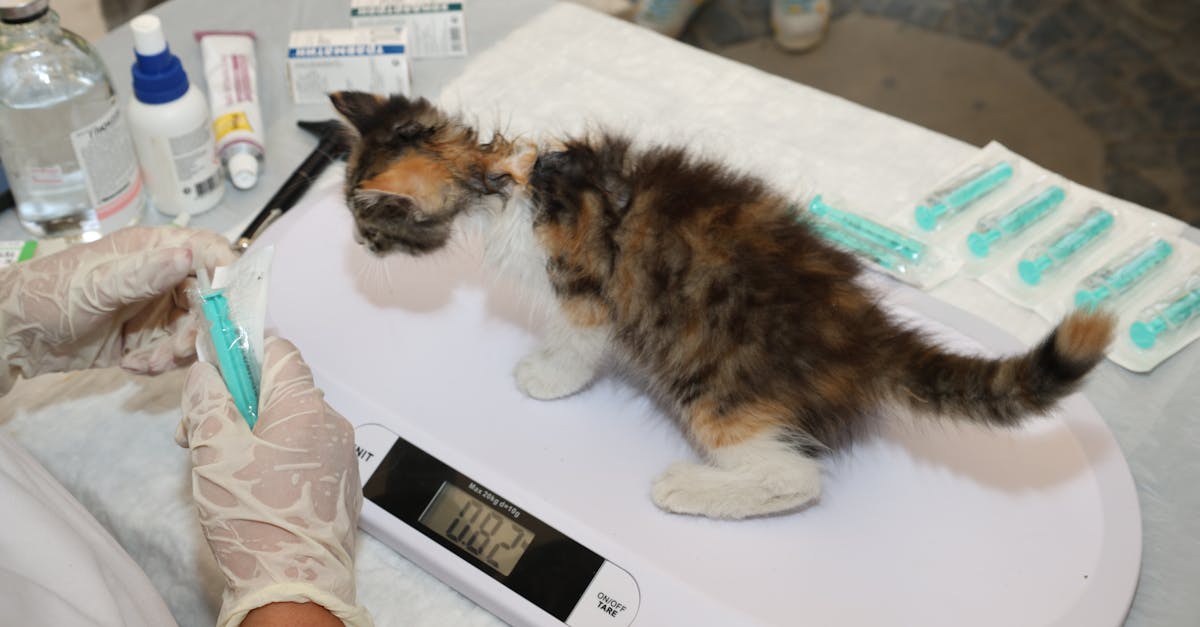
Feline pancreatitis is far more common than previously thought -- studies show 45-67% of cats have evidence of pancreatitis at necropsy. Yet it remains one of the hardest conditions to diagnose in living cats because symptoms are vague and subtle.
Table of Contents
What Is Pancreatitis?
- Inflammation of the pancreas -- the organ that produces digestive enzymes and insulin
- Digestive enzymes activate prematurely, damaging the pancreas itself
- Can be acute (sudden, severe) or chronic (low-grade, ongoing)
- Chronic pancreatitis is most common in cats and often goes undiagnosed
Symptoms
- Lethargy: Less active, sleeping more (the most common sign)
- Decreased appetite: Eating less or refusing food
- Hiding: Withdrawal from family interaction
- Vomiting: Less common in cats than dogs with pancreatitis
- Weight loss: Gradual
- Abdominal pain: May hunch over, resist being picked up
The Triaditis Connection
In cats, pancreatitis frequently occurs simultaneously with two other conditions:
- IBD (Inflammatory Bowel Disease)
- Cholangitis (liver/bile duct inflammation)
- This triad is called "triaditis" and occurs because the pancreatic duct and bile duct share a common opening in cats
- Inflammation in one organ easily spreads to the others
- Treatment must address all three conditions simultaneously
Diagnosis
- fPLI (Spec fPL): Blood test specific for pancreatic inflammation -- most reliable non-invasive test
- Ultrasound: Can show pancreatic enlargement and inflammation but not always visible
- Biopsy: Definitive but requires surgery or laparoscopy
- General bloodwork: May show elevated liver values (triaditis) but pancreatic values often normal
Treatment
- IV fluids: Rehydration and electrolyte support
- Anti-nausea: Maropitant (Cerenia) -- essential for comfort
- Pain management: Buprenorphine or gabapentin
- Nutritional support: Feed as soon as possible (do NOT fast cats with pancreatitis)
- Treat underlying cause: IBD management, cholangitis treatment if triaditis present
- B12 supplementation: Cobalamin often depleted in pancreatic/GI disease
Frequently Asked Questions
Can pancreatitis be prevented?
No reliable prevention exists because the cause in cats is usually unknown (unlike dogs where high-fat meals trigger episodes). Maintaining a healthy weight, feeding a consistent moderate-fat diet, and managing concurrent conditions (IBD, liver disease) may reduce recurrence risk. Cats with one episode are at higher risk for future episodes -- monitoring for subtle symptom return is important.