
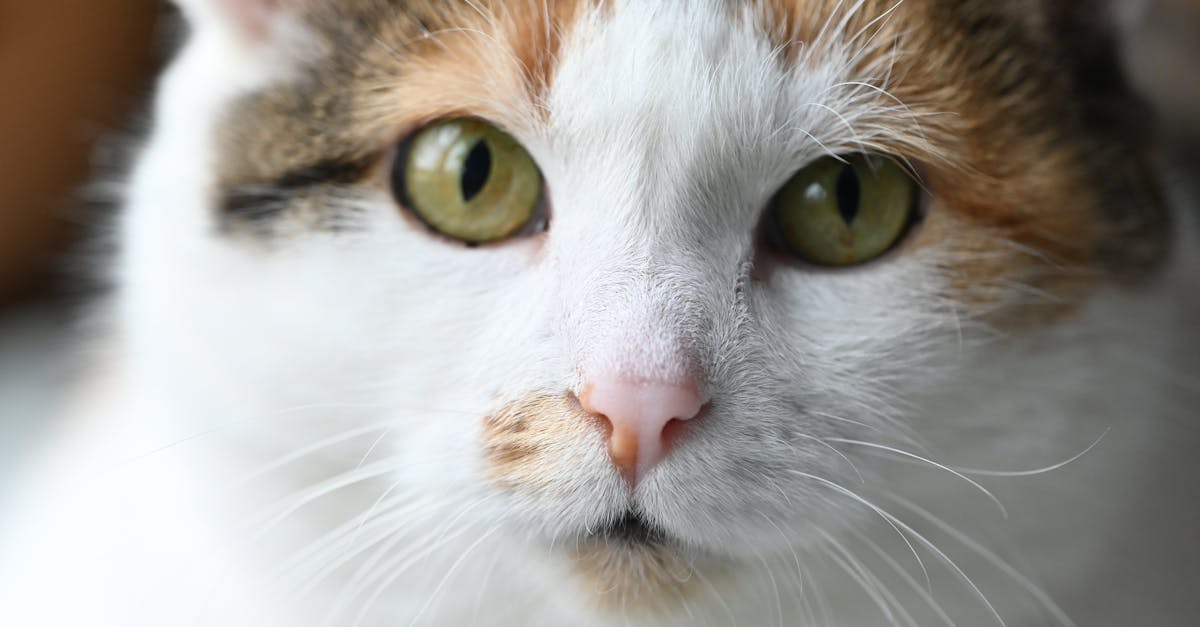
A microchip the size of a grain of rice could be the difference between finding your lost cat and never seeing them again. Despite being one of the simplest and most effective forms of permanent identification, only about 4% of cats entering shelters have microchips. Indoor cats escape. Collars break. Microchips are permanent.
How Microchips Work
- Tiny RFID chip (about 12mm) implanted under the skin between the shoulder blades
- Contains a unique identification number -- NOT GPS tracking
- When scanned, the number links to your contact information in the manufacturer's database
- No battery -- powered by the scanner's radio waves (lasts the cat's lifetime)
- Cannot track your cat's location in real-time
The Implantation Process
- Quick: Takes 5-10 seconds. Similar to a vaccination injection.
- No anesthesia needed: Can be done during a regular vet visit
- Mild discomfort: Brief pinch -- most cats barely react
- Cost: $25-50 at most veterinary clinics
- Age: Can be implanted as young as 8 weeks
- Often done during spay/neuter (while already under anesthesia)
Why Indoor Cats Need Microchips
- Escape: Indoor cats escape through doors, windows, screens -- it happens to the most careful owners
- Natural disasters: Earthquakes, fires, floods displace indoor cats
- Theft: Purebred cats are targets for theft
- Vet mix-ups: Microchip provides definitive identification
- Statistics: Microchipped cats are returned to owners at a rate of 38% vs 2% for non-chipped cats in shelters
Critical Step: REGISTER the Chip
A microchip is USELESS if not registered with your current contact information.
- Register immediately after implantation with the chip manufacturer
- Update your phone number and address whenever you move or change numbers
- Register with a universal pet database (like Found.org) in addition to the manufacturer
- Many "lost" microchipped pets are not reunited because the registration is outdated
Frequently Asked Questions
Can a microchip cause health problems?
Microchip complications are extremely rare. The chip is biocompatible and encased in glass. Reported complications include mild injection site swelling (temporary) and rare chip migration (moves from original position -- still functional, just in a different spot). Tumor formation at the chip site has been reported in isolated cases but is extraordinarily rare (fewer than 1 in a million). The benefit of identification and recovery far outweighs the negligible risk.