
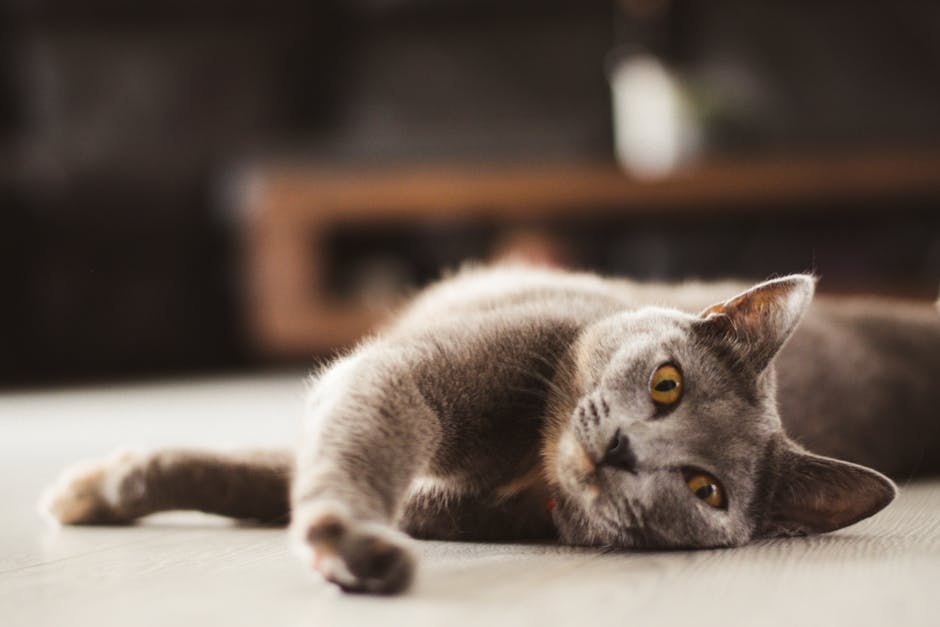
Is your cat drinking more water than usual or losing weight? These can be early signs of cat kidney disease chronic renal failure, a common condition in older felines. Understanding the symptoms and adjusting their diet can significantly improve their quality of life. Cat kidney disease, also known as chronic renal failure, is a progressive condition that requires careful management. By recognizing the warning signs early and providing the right nutrition, you can help your cat live comfortably for years to come.

What is Chronic Kidney Disease in Cats?
Chronic kidney disease (CKD) occurs when a cat's kidneys gradually lose their ability to function properly. The kidneys are responsible for filtering waste from the blood, regulating fluid balance, and producing hormones. When they fail, toxins build up, leading to serious health issues. CKD is most common in older cats, especially those over seven years of age. However, younger cats can also be affected due to genetic factors or underlying conditions. The disease is progressive and irreversible, but early detection and proper management can slow its advancement.
Furthermore, CKD is categorized into stages based on blood tests and urine analysis. Stage 1 indicates mild dysfunction, while Stage 4 represents severe kidney failure. Regular veterinary check-ups are crucial for monitoring the disease and adjusting treatment accordingly. Additionally, cats with CKD often have high blood pressure and anemia, which require separate management. Understanding the condition empowers pet owners to make informed decisions about their cat's care.

What Are the Signs of Cat Kidney Disease Chronic Renal Failure?
Recognizing the symptoms of cat kidney disease chronic renal failure is essential for early intervention. The signs can be subtle at first but become more pronounced as the disease progresses. Common symptoms include:
- Increased thirst and urination (polydipsia and polyuria)
- Weight loss and decreased appetite
- Vomiting and diarrhea
- Bad breath with a chemical smell (uremic breath)
- Lethargy and weakness
- Poor coat condition
- Mouth ulcers
However, not all cats show every symptom. Some may appear normal until the disease is advanced. Therefore, it is important to monitor your cat's behavior and seek veterinary care if you notice any changes. Additionally, routine blood work can detect elevated kidney values even before symptoms appear. Early detection gives you the best chance to slow the progression of the disease.
How is Cat Kidney Disease Diagnosed?
Diagnosing CKD involves a combination of physical examination, blood tests, urine analysis, and sometimes imaging. Your veterinarian will check for elevated levels of blood urea nitrogen (BUN) and creatinine, which indicate kidney dysfunction. Urine specific gravity and the presence of protein or red blood cells also provide valuable information. Furthermore, blood pressure measurement is recommended because hypertension is common in cats with kidney disease.
Additionally, staging the disease helps determine the appropriate treatment plan. The International Renal Interest Society (IRIS) guidelines classify CKD into four stages based on creatinine levels and other factors. Once diagnosed, regular monitoring is necessary to track progression and adjust diet and medications. A kidney-friendly diet is a cornerstone of management, but it must be tailored to the individual cat's needs. Consequently, working closely with your veterinarian ensures the best outcomes.
What is the Best Diet for Cats with Kidney Disease?
The best diet for cats with kidney disease focuses on reducing the workload on the kidneys while providing balanced nutrition. Therapeutic renal diets are specially formulated to restrict phosphorus, moderate protein, and include omega-3 fatty acids. These diets also contain added B vitamins and antioxidants to support overall health. Moreover, they are lower in sodium to help control blood pressure.
However, transitioning to a kidney diet can be challenging because many cats are picky eaters. Gradually mixing the new food with their current diet over a week often improves acceptance. Additionally, offering a variety of textures—such as wet food, pâté, or chunks in gravy—can entice cats to eat. Prescription diets from reputable brands like Hill's k/d, Royal Canin Renal, and Purina NF are clinically proven to support kidney function. Nevertheless, homemade diets are an option but require careful formulation under a veterinary nutritionist's guidance. Always consult your vet before making any dietary changes.
What Are the Key Dietary Components for Renal Support?
A well-structured kidney diet contains specific nutrients that support renal health. The table below summarizes the key components and their benefits:
| Component | Role in Kidney Health | Recommendation |
|---|---|---|
| Low Phosphorus | Slows progression of kidney damage | Less than 0.5% dry matter |
| Moderate Protein | Reduces nitrogen waste without causing malnutrition | High-quality, easily digestible protein |
| Omega-3 Fatty Acids | Anti-inflammatory, supports kidney function | Fish oil or flaxseed oil |
| Low Sodium | Helps control blood pressure | Less than 0.2% dry matter |
| B Vitamins | Compensate for loss in urine | Water-soluble vitamins added |
| Antioxidants | Reduce oxidative stress | Vitamin E, vitamin C |
Furthermore, maintaining proper hydration is vital. Cats with kidney disease are prone to dehydration, so wet food is preferred over dry kibble. Some cats benefit from subcutaneous fluids given at home, as prescribed by the vet. Additionally, palatability enhancers like omega-3 or low-sodium broths can encourage eating. Remember that every cat is unique; dietary adjustments may be needed based on blood test results.
Are There Any Foods to Avoid for Cats with CKD?
Yes, certain foods can worsen kidney disease and should be avoided. High-phosphorus foods are particularly harmful, as they accelerate kidney damage. Common foods to avoid include:
- Dairy products (cheese, milk) – high in phosphorus
- Organ meats like liver and kidneys – very high in phosphorus
- Fish high in mercury (tuna) – can be toxic in large amounts
- Treats with high salt or phosphorus
- Raw food diets not balanced for kidney disease
Additionally, cats with CKD should not have free access to salt or salty snacks. High-sodium foods can increase blood pressure and fluid retention. Moreover, avoid adding extra protein sources unless recommended by your vet. Stick to a prescribed renal diet to ensure all nutritional needs are met without overloading the kidneys. Always check ingredient labels and consult your veterinarian before introducing any new food.
How Can I Encourage My Cat to Eat a Kidney Diet?
Getting a cat to accept a therapeutic diet can be frustrating, but patience and creativity help. Start by warming the food to enhance its aroma. Many cats prefer wet food at room temperature. Offering small, frequent meals throughout the day may also stimulate appetite. Additionally, mixing a small amount of their old food with the new diet and gradually increasing the ratio over a week often works.
Furthermore, try different textures and flavors within the same brand. Some cats respond well to hand-feeding or using food puzzles. If your cat is still reluctant, ask your vet about appetite stimulants or anti-nausea medications. In some cases, a homemade diet formulated by a veterinary nutritionist may be more palatable. However, ensure it meets all renal requirements. Remember that consistency is key; once your cat accepts the diet, avoid switching foods unnecessarily. Also, provide fresh water at all times, and consider a pet water fountain to encourage drinking.
What Are the Key Takeaways for Managing Cat Kidney Disease?
Managing cat kidney disease chronic renal failure requires a multi-faceted approach, but the most impactful step is dietary modification. Early detection of signs like increased thirst and weight loss allows for timely intervention. A therapeutic renal diet low in phosphorus and moderate in protein, along with adequate hydration, can slow disease progression and improve quality of life. Furthermore, regular veterinary check-ups, blood pressure monitoring, and medication compliance are essential.
In addition, avoid high-phosphorus foods and encourage your cat to eat by using simple tricks like warming food or offering variety. While a diagnosis of CKD can be daunting, many cats live happily for years with proper care. You are not alone—work with your veterinarian to create a personalized plan. Remember that every small change, from diet to hydration, makes a difference. By staying informed and proactive, you can give your cat the best chance at a comfortable, longer life.